
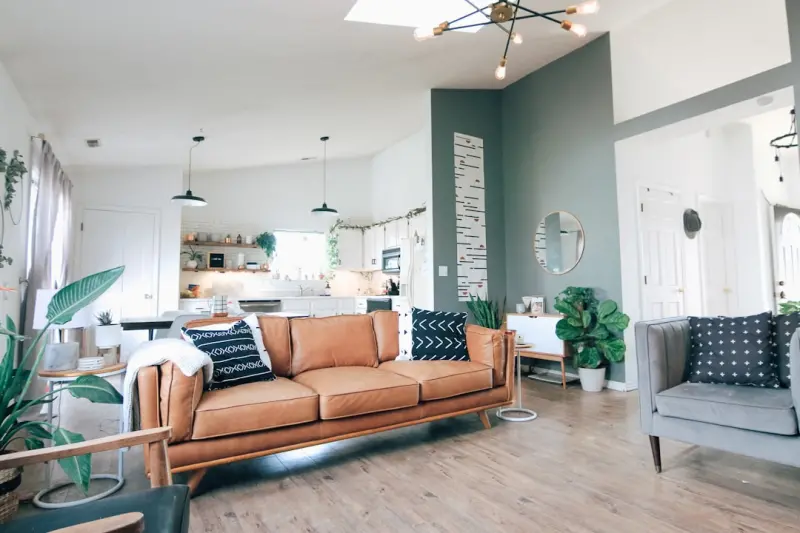
Ever walked into a room and felt instantly relaxed, focused, or even inspired? The secret isn’t a costly renovation; it’s the subtle choreography of light, scent, texture, and organization that turns an ordinary space into a personal sanctuary. In this guide I’ll share the low‑budget, high‑impact tricks I’ve collected over years of juggling a bustling household and a demanding career. Think of it as a playbook for anyone who wants their home to feel like a reset button, not a source of stress.
1. Master Light as Mood‑Maker
Natural daylight is the gold standard, but most homes have zones that are dim or overexposed. Start by mapping your day: where do you need energy‑boosting brightness (think kitchen and home office) and where do you crave calm (reading nook, bedroom)? Simple solutions include:
- Layered lighting: Combine ambient ceiling fixtures, task lamps, and soft accent lights. A dimmable floor lamp can transition a space from work mode to wind‑down mode in seconds.
- Warm‑tone bulbs: Swap harsh cool‑white LEDs for 2700‑3000K bulbs in areas where you unwind. Warm tones signal the brain to release melatonin, easing the shift to evening.
- Strategic mirrors: Position a mirror opposite a window to bounce daylight deeper into the room, reducing the need for artificial light during the day.
For those who love a bit of tech, a smart plug paired with a voice assistant can let you program lighting scenes—bright “focus” for mornings, soft “relax” for evenings—without lifting a finger.
2. Scent as an Invisible Companion
The nose is a powerful gateway to memory and emotion. A well‑chosen fragrance can instantly lift mood, sharpen concentration, or signal bedtime. Here’s how to harness scent without turning your home into a perfume store:
- DIY essential‑oil diffusers: A small glass jar, a few drops of your favorite oil (lavender for calm, citrus for alertness), and a reed stirrer create a subtle, continuous aroma.
- Seasonal scent swaps: Rotate scents with the seasons—think pine and cinnamon in the colder months, fresh basil or cucumber in summer—to keep the experience fresh.
- Targeted placement: Place citrus or peppermint diffusers near the home office to boost alertness, while lavender or chamomile work wonders by the bedside.
If you’re short on time, a few scented candles lit for ten minutes before you settle in can do the trick. Just remember to extinguish them before leaving the room.
3. Texture Tactics for Tactile Comfort
We often focus on visual aesthetics, but the feel of a surface under our fingertips can be just as calming. Introducing varied textures adds depth and invites you to linger.
- Plush throws and cushions: A soft knit blanket draped over a chair invites you to curl up and read. Choose natural fibers like wool or cotton for breathability.
- Rugs with layered pile: A low‑piled rug in the kitchen is practical, while a high‑piled one in the living room adds a cozy underfoot experience.
- Natural wood accents: A reclaimed wood coffee table or a bamboo cutting board adds an organic, tactile quality that balances sleek modern pieces.
Mixing textures doesn’t have to be extravagant. Swapping a smooth ceramic vase for a hand‑thrown pottery piece can instantly elevate the sensory profile of a shelf.
4. Declutter with Intentional Zones
Clutter is a silent stressor. Instead of a wholesale purge, create purposeful zones that dictate what stays where. This approach respects the flow of daily life while keeping surfaces clear.
- Entryway catch‑all: A slim bench with built‑in storage, a wall‑mounted coat rack, and a shallow tray for keys and mail can transform the chaos of coming and going.
- Work‑only desk surface: Limit your desk to essential tools—laptop, notebook, a single pen holder. Store away everything else in drawers to preserve mental focus.
- Nightstand minimalism: Keep only a lamp, a book, and a glass of water. A tidy nightstand signals to the brain that it’s time to wind down.
When you feel the urge to add “just one more thing,” ask yourself if it truly belongs in the zone you’re working on. If not, it likely belongs elsewhere or can be stored.
5. Acoustic Comfort Without the Noise
While we’ve already covered lighting, scent, and texture, the soundscape often goes unnoticed. You don’t need a full acoustic overhaul; subtle changes can make a world of difference. For a deeper dive on simple acoustic upgrades, check out Boost Focus at Home with Simple Acoustic Upgrades. In the meantime, consider these quick wins:
- Soft furnishings: Thick curtains, upholstered furniture, and area rugs absorb stray echoes, making conversations clearer and reducing the need for background noise.
- White‑noise devices: A small fan or a white‑noise app can mask disruptive city sounds, especially in apartments near busy streets.
- Strategic plant placement: Even without a full vertical garden, a few well‑placed foliage pots can dampen sound while adding visual interest.
6. Bring the Outdoors In—Beyond Vertical Gardens
While Vertical Gardens for City Living explores lush wall‑mounted ecosystems, you can still enjoy nature’s benefits with simpler methods. Small herb pots on a kitchen windowsill, a mini succulent collection on a coffee table, or a single potted ficus in the hallway injects life without demanding a dedicated green wall.
Choose low‑maintenance varieties if you’re not a seasoned plant parent. Herbs like mint and basil double as fresh ingredients, while succulents need only occasional watering. The visual relief of a splash of green can lower blood pressure and improve air quality, all while staying budget‑friendly.
7. Reimagine Forgotten Corners
Every home has spaces that collect dust and neglect—under the stairs, the space behind a tall bookshelf, or the far corner of the laundry room. Rather than let them linger, transform them into functional or aesthetic mini‑zones. For inspiration, see The Hidden Potential of Neglected Nooks. Here are a few ideas you can execute this weekend:
- Mini‑library nook: Install a narrow floating shelf in a hallway and line it with your favorite paperbacks.
- Charging station hideaway: Use a decorative basket to conceal cords and a small power strip, keeping tech tidy and out of sight.
- Compact workout corner: Place a fold‑away yoga mat, a resistance band, and a small speaker in an otherwise idle corner for quick stretches.
8. Smart Energy Hacks That Pay Off
Energy efficiency is a practical way to improve comfort while reducing bills. Small adjustments can have a big impact:
- Programmable thermostats: Set heating to drop a few degrees at night and rise just before you wake. Many models learn your schedule over time.
- Seal drafts: Weather‑stripping doors and windows eliminates cold spots, allowing you to keep the thermostat lower without sacrificing warmth.
- LED retrofit: Swapping older bulbs for LEDs reduces energy consumption by up to 80% and provides better color rendering for reading.
Track usage with a simple app to see which rooms consume the most power, then prioritize upgrades accordingly.
9. Personalize with Meaningful Details
Finally, the soul of a sanctuary lies in the objects that tell your story. Display a travel souvenir, a framed family photo, or a piece of artwork you love. These items anchor the space to your identity, making it feel truly yours.
When choosing décor, ask yourself: Does this piece spark joy? Does it serve a purpose, or does it simply fill space? Curating intentionally prevents clutter from creeping back in.
By weaving together thoughtful lighting, inviting scents, tactile textures, organized zones, gentle soundscapes, modest greenery, and personal touches, you can craft a home that feels like a restorative retreat every time you step through the door. The best part? Most of these strategies cost pennies, use items you already own, or involve a modest DIY effort. Give them a try, and watch your everyday environment transform from a place you merely inhabit into a space that nurtures your well‑being.

Laura Wilson is a freelance writer specializing in the dynamic and ever-evolving field of health. With a passion for translating complex medical information into accessible and engaging content, Laura brings a wealth of knowledge and a fresh perspective to topics ranging from preventative care and nutrition to cutting-edge research and innovative treatments.
Related Posts
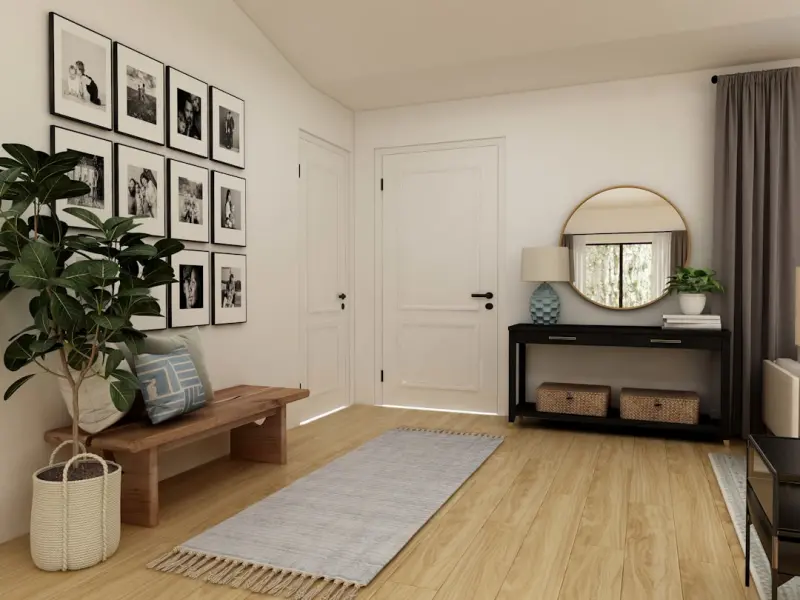
Create a Calm, Functional Entryway That Welcomes You Home Every Day
A cluttered entryway can trigger anxiety, but a thoughtful redesign using simple storage, lighting, ... Read More
Transform Your Hallway into a Health‑Boosting Hub
Turn your often‑ignored hallway into a wellness corridor with lighting, scent, movement cues, and ... Read More

Curating a Rotating Home Gallery: Fresh Ways to Refresh Your Space
Learn to turn your walls into a living gallery with easy swaps, seasonal themes, and DIY framing—b... Read More
Top Posts

How to Turn Every Layover Into a Mini‑Adventure
Learn practical tips for turning idle airport time into spontaneous mini‑adventures, from local culture hacks to on‑the‑go productivity boosts....Read More

How to Turn Every Trip into a Two‑Week Skill‑Swap Sprint
Explore the concept of a skill‑swap sprint, where each journey is designed around learning a local craft or trade, fostering deep connections, personal growth...Read More

Ask First: How Reverse Interviews Flip the Hiring Power Balance
Learn why turning the interview on its head with strategic questions helps you assess company culture, showcase expertise, and make smarter career decisions....Read More

Breathing New Life into Personal Care
Explore the power of intentional breathing and biofeedback tools as a cornerstone of personal care, offering stress relief, better sleep, and radiant skin....Read More
0 Comments
Post Comment
You will need to Login or Register to comment on this post!