

Why Your Home Sounds Like a Concert Hall (And How to Quiet It Down)
Ever walked into a living room and felt like you were stepping onto a stage? The echo of footsteps, the clang of dishes, the hum of appliances—these sounds can turn a sanctuary into an accidental concert hall. I’m Paul, and after years of juggling conference calls, kids’ homework, and the occasional DIY project, I’ve learned that acoustic comfort is just as vital as lighting or temperature when it comes to a truly restful home.
The Hidden Cost of a Noisy Home
Noise isn’t just an annoyance; it’s a stressor that sneaks into your bloodstream. Studies show that chronic exposure to background chatter can elevate cortisol, disrupt sleep, and even impair concentration. In a home where you work, relax, and recharge, that constant buzz can erode the very peace you’re trying to cultivate.
Think about it: you’re on a Zoom call, trying to sound professional, and the dishwasher decides it’s the perfect moment to start its cycle. Or you’re winding down with a book, but the hallway’s echo makes every page turn sound like a thunderclap. When your environment amplifies every noise, you end up spending more mental energy filtering out the distraction.
Start with the Source: Identify Your Home’s Loud Spots
The first step is a quick acoustic audit. Walk through each room and notice where sounds bounce the most. Common culprits include:
- Hard flooring – wood, tile, or concrete reflect sound.
- Large glass windows – while beautiful, they let outside traffic in.
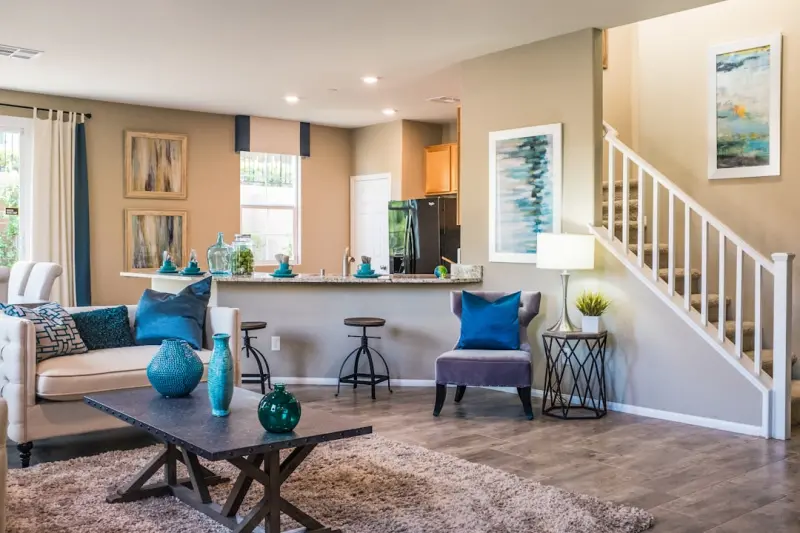
- Open‑plan layouts – fewer walls mean more sound travel.
- Appliance placement – a fridge or dryer near a bedroom can be a nighttime nightmare.
Mark these zones on a floor plan. This visual guide will help you prioritize interventions that deliver the biggest reduction in reverberation.
Soft Surfaces Are Your New Best Friends
Soft, porous materials absorb sound waves instead of reflecting them. Here’s how to strategically introduce them:
- Rugs and Carpets – A thick rug under a coffee table can cut floor‑bounce by up to 30 %. If you have a hardwood hallway, a runner can be a game‑changer.
- Wall Hangings – Think tapestry, woven wall art, or even a series of framed fabric panels. Not only do they add visual texture, they act like acoustic panels.
- Cushioned Furniture – Overstuffed sofas and armchairs trap sound. Opt for fabrics rather than leather, which can be more reflective.
If you’re on a budget, repurpose items you already own. A reviving forgotten spaces mindset can turn an old blanket into a wall‑covering or a stack of books into a makeshift sound absorber.
Strategic Placement of Acoustic Panels
Acoustic panels aren’t just for recording studios. Modern panels come in designer-friendly shapes and colors that blend with any décor. Install them where sound reflections are strongest—typically opposite the main sound source. For instance, a panel behind your TV can tame the echo from booming movies.
If you prefer a DIY route, craft your own panels using wooden frames, acoustic foam, and fabric that matches your interior palette. Hang them in a grid or an abstract arrangement for a visual statement that doubles as a noise‑neutralizing tool.
Seal the Gaps: Doors, Windows, and Ventilation
Even the smallest cracks can let unwanted sound travel. Weatherstripping is a cheap and effective solution for doors and windows. For larger openings, consider acoustic curtains—heavy drapes that not only block light but also dampen noise.
Ventilation is essential, but a humming HVAC system can become a background soundtrack you never asked for. Have a professional check your ducts for loose fittings, and add acoustic duct liners if needed. These liners are thin, fire‑rated blankets that line the interior of ducts, reducing the roar of air movement.
Quiet Zones: Designate Low‑Noise Areas
If you have a home office or a meditation corner, make it a “quiet zone.” Here’s how:
- Dedicated Flooring – Install cork or rubber flooring in the space. Both materials are excellent at absorbing footfall and chair squeaks.
- Sound‑Masking – A white‑noise machine or a low‑volume fan can mask sudden interruptions without adding stress.
- Furniture Arrangement – Position your desk away from high‑traffic walls. A bookshelf filled with books can act as a natural sound barrier.
Tech Solutions: Smart Sound Management
Modern smart homes aren’t just about lights and thermostats. Some ecosystems now integrate sound‑control features:
- Adaptive Noise Cancellation – Certain smart speakers can emit anti‑phase sound waves that cancel out ambient noise.
- Room‑Specific Volume Controls – Use voice assistants to set volume limits for different rooms, ensuring your home theater doesn’t disturb the bedroom.
While these gadgets are still emerging, they represent a future where acoustic comfort can be managed with a simple voice command.
Complementary Home Hacks
Acoustic improvements often work best when paired with other health‑focused home upgrades. For example, while you’re enhancing your home’s soundscape, you might also explore smart water and air hacks for a healthier home. Cleaner air and quieter rooms together create a holistic environment that supports both body and mind.
Maintenance: Keep the Quiet Consistent
Acoustic upgrades aren’t “set and forget.” Over time, rugs can shift, panels can accumulate dust, and seals can wear out. Schedule a quarterly check:
- Vacuum or shake out rugs to maintain their density.
- Dust panels and wall hangings with a lint‑free cloth.
- Inspect weatherstripping for cracks or compression.
- Test door closers to ensure they seal properly.
A small maintenance routine ensures the serenity you built doesn’t slip away.
Final Thoughts: The Sound of Home
Acoustic comfort may not be the first thing that springs to mind when you think “home tips,” but it’s a silent hero that can dramatically improve your daily wellbeing. By blending soft surfaces, strategic panels, proper sealing, and a few smart tech tricks, you can transform a noisy house into a quiet retreat—one that supports focus, relaxation, and restful sleep.
Take a moment today to listen to your space. Identify the echoes that bother you, apply one of the strategies above, and feel the difference. Your ears—and your stress levels—will thank you.

Paul Flynn is a versatile freelance writer equipped with a diverse skillset and a portfolio that reflects his wide-ranging interests and expertise. From crafting compelling website copy and engaging blog posts to delivering in-depth articles and meticulously researched reports, Flynn demonstrates a remarkable ability to adapt his writing style to suit various audiences and purposes.
Related Posts
Design Home Zones That Boost Focus, Relaxation, and Movement
Discover practical, low‑cost methods for zoning your home to support work, relaxation, exercise, a... Read More

Turning Your Home into a Sensory Sanctuary: Small Tweaks, Big Comfort
Explore how subtle changes in texture, aroma, lighting, and sound can turn any space into a soothing... Read More

Soundproof Sanctuaries: Simple Hacks to Quiet Your Home
Learn how to dramatically reduce unwanted noise with affordable DIY fixes—seal gaps, add mass, use... Read More
Top Posts

Year‑Round Outdoor Living: Build a Backyard Room That Works in Every Season
Discover how to transform your patio into a year‑round outdoor living room, blending smart structure, heating, cooling, lighting, and seasonal style for endle...Read More

When Offline Becomes Oasis: Crafting Digital Sabbaths for Mental Wellness
Learn why intentional digital sabbaths are essential for mental health, how to design effective offline periods, and the science behind unplugging to boost clar...Read More

When AI Becomes Your Second Brain: Rethinking Knowledge Work
Learn how treating AI as a personal second brain can cut decision fatigue, enhance insight retention, and turn information overload into a strategic advantage f...Read More

Digital Minimalism: Trimming Cognitive Fat for Better Mental Health
Digital minimalism is a purposeful approach to decluttering our digital lives, reducing cognitive overload, and fostering mental well‑being. Learn practical s...Read More
0 Comments
Post Comment
You will need to Login or Register to comment on this post!