
Ever walked into a room and felt an instant tug—either a warm invitation or a subtle resistance? That tug is the invisible flow of energy, light, and intention that silently shapes how we experience our homes. I’ve spent countless evenings rearranging furniture, testing lighting tricks, and swapping out décor, only to discover that the biggest transformations often come from tiny, intentional tweaks rather than full‑scale renovations. Below, I’m sharing the most effective, low‑effort strategies that have turned my chaotic house into a rhythm‑filled sanctuary. Think of this as a playbook for “home flow”: the subtle choreography that lets each space breathe, welcome, and support you.
Why Home Flow Matters (Even If You’re Not a Feng Shui Fan)
Before diving into the nuts and bolts, let’s address the “why.” A well‑balanced home flow doesn’t just look pretty; it influences mood, productivity, and even how quickly we move through chores. When pathways are clear and visual weight is evenly distributed, our nervous system registers less stress. That’s why you might notice a surge of energy after simply moving a rug or adding a lamp. In my own apartment, a single hallway mirror turned a cramped corridor into a bright, airy conduit that instantly lifted my spirits each morning.
Let Light Lead the Way
Natural light is the ultimate mood‑setter. It regulates our circadian rhythms, boosts serotonin, and makes spaces feel larger. Yet, many homes waste daylight by using heavy drapes or placing bulky furniture directly in front of windows. Here’s a quick audit:
- Morning Sweep: Open all curtains for at least 30 minutes after sunrise. Even sheer panels can soften glare while still inviting sun.
- Strategic Mirrors: Position a mirror opposite a window to bounce light deeper into the room. A simple floor‑standing mirror in the living area can double the illumination without any electricity.
- Layered Lighting: Pair ambient ceiling lights with task lamps and accent LEDs. This creates a gradient of brightness that mimics natural daylight transitions.
If you love the idea of a central hub for managing these lighting layers, you might enjoy reading about personal command centers that let you tweak scenes with a tap.
Mirrors as Magic: More Than Just Reflection
Beyond light amplification, mirrors can visually expand space and guide movement. Choose frames that complement your décor style—whether sleek metal for a modern vibe or reclaimed wood for a cozy feel. Hang them at eye level in narrow hallways or place a large rectangular piece behind a sofa to create a sense of depth. For a subtle artistic touch, try a series of smaller mirrored tiles arranged in a geometric pattern; they’ll add texture while still serving the functional purpose of light diffusion.
Strategic Decluttering: The “One‑In, One‑Out” Rule
Clutter is the enemy of flow. Every stray item creates a visual and physical obstruction that forces the eye—and the mind—to work harder. My favorite decluttering mantra is the “one‑in, one‑out” rule: for every new item you bring home, commit to removing another. It’s a small habit that prevents accumulation over time.
To make the process less daunting, break rooms into zones:
- Entry Zone: Keep only essentials—keys, mail, a small bowl for daily wear. A sleek console table with a drawer can hide the rest.
- Living Zone: Use decorative baskets for magazines and remote controls. Label them subtly for easy sorting.
- Kitchen Zone: Adopt “vertical storage” with hooks for mugs and magnetic strips for knives, freeing up counter space.
When you’re ready to tackle the next level of organization, explore quiet corner ideas that turn otherwise wasted nooks into functional sanctuaries.
Micro‑Zones for Focus and Relaxation
Instead of re‑designing entire rooms, think in micro‑zones—small pockets dedicated to specific activities. A single chair with a floor lamp becomes a reading nook; a low table with a timer transforms a coffee table into a mindful‑pause station. The key is to signal purpose through visual cues:
- Color Coding: Assign a muted hue to each zone (e.g., soft teal for meditation, warm amber for work).
- Texture Contrast: A plush rug under a yoga mat differentiates the stretch area from the rest of the floor.
- Boundary Objects: Use a slim bookshelf or a room divider to subtly separate zones without blocking sightlines.
These micro‑zones not only improve flow but also provide mental anchors, helping you transition smoothly between tasks.
Green Breath: Indoor Plants as Flow Enhancers
Plants do more than add a splash of green; they purify air, regulate humidity, and create a calming visual rhythm. Choose low‑maintenance varieties like snake plant, pothos, or ZZ plant if you’re new to plant care. Position taller foliage near windows to draw the eye upward, and place trailing vines on shelves to soften sharp edges.
For a truly integrated approach, try a “plant wall”—a vertical garden panel that doubles as a living art piece. It acts as a natural partition, guiding foot traffic while providing a fresh scent and oxygen boost.
Tech‑Lite Command Centers: Streamlined Yet Subtle
While full‑blown smart homes can feel intrusive, a modest command hub can keep your flow organized without overwhelming you with gadgets. Think of a single tablet or a small wall‑mounted screen that controls lighting scenes, thermostat settings, and music playlists. This central point reduces the need to wander between switches, keeping the experience seamless.
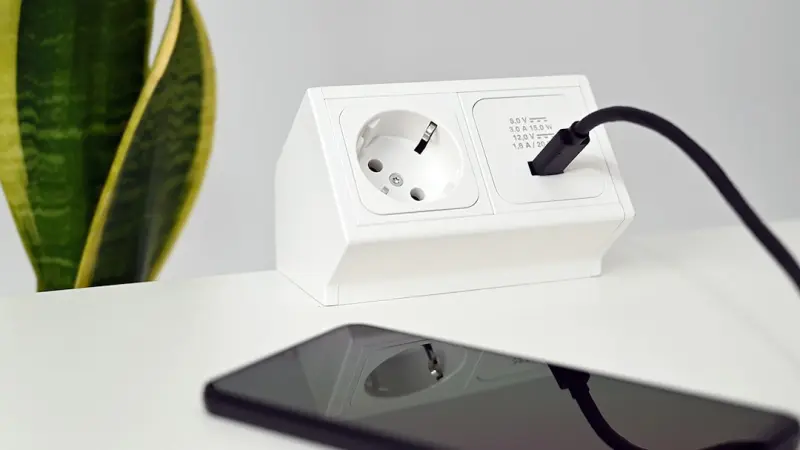
Even if you’re not a tech guru, start simple: install a smart plug for your favorite lamp and pair it with a voice assistant. Over time, you can add more devices as needed, always ensuring they serve the purpose of enhancing flow rather than creating new distractions.
Soundscapes That Support Movement
Sound is an often‑overlooked element of home flow. Background ambience—whether a soft rain track or low‑frequency hum—can mask disruptive noises and create a cohesive atmosphere. Place a discreet speaker in the hallway or living room to play gentle white noise, especially during busy mornings. If you prefer a more curated experience, set up playlists that correspond with each micro‑zone (e.g., classical for the reading nook, upbeat instrumental for the home office).
Seasonal Adjustments Without the Overhaul
Every season brings a natural shift in light, temperature, and mood. Rather than a full redesign, make small, reversible tweaks:
- Spring: Swap heavy drapes for breezy linen curtains; add fresh‑cut flowers in entryway vases.
- Summer: Incorporate airy, white‑washed furniture; use fans to circulate cool air.
- Fall: Introduce warm-toned throw blankets and scented candles with cinnamon or cedar notes.
- Winter: Layer with plush rugs, add soft lighting, and consider a portable heater in a corner to create a cozy pocket.
These adjustments keep the home’s energy aligned with nature’s rhythm, reinforcing a feeling of harmony throughout the year.
Final Thoughts: The Cumulative Power of Tiny Shifts
Transforming home flow isn’t about a single dramatic overhaul; it’s about layering tiny, intentional actions that, over time, compound into a dramatically smoother living experience. By focusing on light, decluttered pathways, strategic mirrors, micro‑zones, and gentle tech integration, you’ll notice a subtle but profound shift in how your space supports you. The next time you step into a room, pause, breathe, and notice where the flow feels natural—and where it stumbles. Then apply one of the tips above. In a few weeks, you’ll wonder how you ever lived without this newfound harmony.

Lauren Miller is a true outdoors enthusiast who has found her passion in the trades. When she's not working hard on the job, you can find her writing, camping, fishing, and exploring all that nature has to offer. A dedicated partner to her wife Beth, Lauren loves nothing more than spending quality time together and experiencing the great outdoors side by side.
Related Posts

Everyday Energy Wins: Practical Tips to Slash Home Bills
Learn simple, budget‑friendly strategies to improve home energy efficiency, from sealing drafts to... Read More
Smart Light & Space Hacks for Urban Living
Learn how to use natural light, flexible furniture, hidden storage, acoustic solutions, indoor green... Read More
Transform Your Home Into a Productivity Powerhouse
Learn how to map zones, streamline tech, and embed micro‑breaks so your home becomes a powerful al... Read More
Top Posts

Storytelling for the Soul: How Writing Your Own Narrative Boosts Mental Health
Learn how crafting your own narrative through journaling can calm the mind, reshape stress pathways, and foster lasting emotional resilience....Read More

Cultivating a Friendly Skin Microbiome: The Next Frontier in Personal Care
Explore the shift from sterile skin routines to a symbiotic approach, learning practical ways to feed beneficial microbes, choose the right products, and stay a...Read More

Sensory Reset: How Scent and Touch Can Supercharge Your Personal Care Routine
A quick, science‑backed sensory reset—using essential oils and gentle scalp or hand massage—can shift your brain from stress mode to a productive state, o...Read More

Why Skill‑First Hiring Beats Credential‑First Recruiting
Skill‑first hiring replaces traditional credential checks with concrete competency assessments, leading to faster hires, stronger diversity, and higher employ...Read More
0 Comments
Post Comment
You will need to Login or Register to comment on this post!