

Ever tried to host a video call from your living room, only to be interrupted by the hum of traffic, a barking dog, or the clatter of dishes from the kitchen? You’re not alone. As more of us blend work, study, and leisure under one roof, the acoustic quality of our homes has silently become the make‑or‑break factor for productivity and peace of mind. The good news? You don’t need a sound‑proof studio or a budget‑blowing renovation to reclaim auditory calm. A handful of thoughtful, low‑cost tweaks can transform even the most echo‑prone space into a focus‑friendly haven.
Why Sound Matters More Than You Think
While we often obsess over lighting, temperature, and décor, sound is the invisible layer that either cushions or shatters our concentration. Research shows that background noise above 45 decibels can significantly impair cognitive performance, especially during tasks that demand deep focus. In a home setting, that noise often comes from:
- Thin walls that let hallway chatter drift in.
- Hard flooring that amplifies footsteps.
- Open‑plan layouts that turn a simple conversation into a reverberating echo.
By addressing these sources, you can lower your ambient noise level by up to 30 %, creating a subtle but powerful boost to your daily output.
Start with Soft Surfaces: The Power of Textiles
The easiest entry point for acoustic improvement is adding soft, absorbent materials. Unlike glass or bare drywall, fabrics trap sound waves, reducing reverberation. Here’s how to make the most of everyday textiles:
- Rugs and Carpets: A thick rug under your desk or workspace can cut floor‑bounce noise by half. Opt for high‑pile or shag styles for maximum absorption.
- Cushioned Furniture: Swap hard‑edge chairs for upholstered ones. Even a plush throw pillow placed against a wooden desk edge can mute vibrations.
- Heavy Curtains: Floor‑to‑ceiling drapes not only block sunlight but also dampen external sounds. Choose dense fabrics like velvet for the best results.
These additions double as aesthetic upgrades, so you’re not just buying sound control—you’re investing in comfort and style.
DIY Sound Panels: Creativity Meets Function
If you’re a bit more hands‑on, crafting your own acoustic panels is both satisfying and budget‑friendly. All you need are a few simple supplies:
- Canvas frames (or repurposed picture frames).
- Acoustic insulation material or even dense foam.
- Fabric of your choice—think bold patterns to double as wall art.
Mount the panels at ear level on walls opposite your primary work area. They’ll catch mid‑range frequencies that often cause “ringing” in a room. For inspiration, check out some vertical garden ideas that show how wall installations can be both green and acoustically smart.
Seal the Gaps: Small Leaks, Big Noise
It’s easy to overlook the tiny openings that let sound slip through:
- Door Sweeps: Install a simple rubber sweep at the bottom of doors leading to noisy hallways.
- Window Seals: Weatherstripping adds a seal that blocks both drafts and street noise.
- Outlet Gaskets: Electrical outlet seal kits are cheap and can plug acoustic leaks behind wall plates.
These micro‑fixes require minimal effort but collectively can shave off several decibels from your room’s noise floor.
Strategic Furniture Placement
The layout of your room can act as a natural sound diffuser. Position bulky items—bookshelves, wardrobes, or even a filled closet—against walls that face noisy corridors. These “mass barriers” absorb and scatter sound, reducing the direct path of noise into your workspace.
For a dual benefit, load your bookshelf with both books and decorative objects. The varied surfaces break up sound waves more efficiently than a flat wall.
Leverage White Noise and Sound Masking
When eliminating external noise isn’t possible, introduce a pleasant ambient sound to mask distractions. White noise machines, fans, or even a low‑volume playlist of nature sounds can create a steady auditory backdrop that makes sudden noises less jarring.
Pro tip: Choose frequencies that complement your work rhythm. Many users find that a gentle “rain” track at 40 dB provides just enough masking without becoming a new source of distraction.
Mindful Maintenance: Keep the Noise Low Over Time
Acoustic improvements can lose effectiveness if not cared for:
- Vacuum rugs regularly—dust can reduce their sound‑absorbing properties.
- Rotate curtains to prevent wear in high‑traffic areas.
- Check door sweeps for wear and replace them annually.
By treating your acoustic upgrades as part of an ongoing home‑care routine, you’ll sustain a quieter environment for the long haul.
Combine Acoustic and Wellness Routines
Sound isn’t just a productivity factor; it’s a wellness one. A quieter space can lower stress hormones, improve sleep quality, and even boost your mood. Pair your acoustic upgrades with simple self‑care habits like the quick personal care hacks that help you reset during the day. A brief stretch, a sip of herbal tea, or a few mindful breaths can amplify the calm your newly sound‑tuned room provides.
Budget Breakdown: How Much Will It Cost?
Here’s a quick estimate for a typical one‑room upgrade:
- Thick rug: $50‑$150
- Heavy curtains: $30‑$80 per panel
- DIY sound panels (materials): $20‑$40 each
- Door sweep: $10‑$20
- Weatherstripping kit: $15‑$25
- White noise machine: $30‑$70
All together, you can achieve a noticeable acoustic improvement for under $400—often less if you repurpose items you already own.
Future‑Proofing: Scaling Up as Your Needs Evolve
Start small, but keep an eye on long‑term scalability. As your home office expands or you add a dedicated study nook, you can replicate the same acoustic principles:
- Layer multiple rugs for extra absorption.
- Expand your DIY panel collection to cover larger walls.
- Introduce ceiling tiles or acoustic ceiling clouds if you’re tackling a larger open‑plan area.
Each addition compounds the overall reduction in ambient noise, turning a modest setup into a professional‑grade acoustic environment.
Wrapping Up: A Quiet Home is a Productive Home
Acoustic comfort isn’t a luxury—it’s a foundational element of a functional home office, a focused study space, or even a serene living room for family movie nights. By applying the simple strategies outlined above—soft surfaces, DIY panels, sealing gaps, strategic furniture placement, and sound masking—you’ll create a space where you can think clearly, work efficiently, and relax without the constant intrusion of unwanted noise.
Remember, the goal isn’t to silence the world entirely but to craft a balanced auditory backdrop that supports your daily rhythms. Start with one or two changes today, and watch as the quiet confidence of a well‑tuned room elevates every aspect of your home life.

Melanie Wilson, Freelance writer with a flare for everything. I am passionate about topics I write crafting stories and compelling content that connect with audiences. Journeying through the realms of creativity as a freelance creator. #WriterLife #ContentCreator
Related Posts
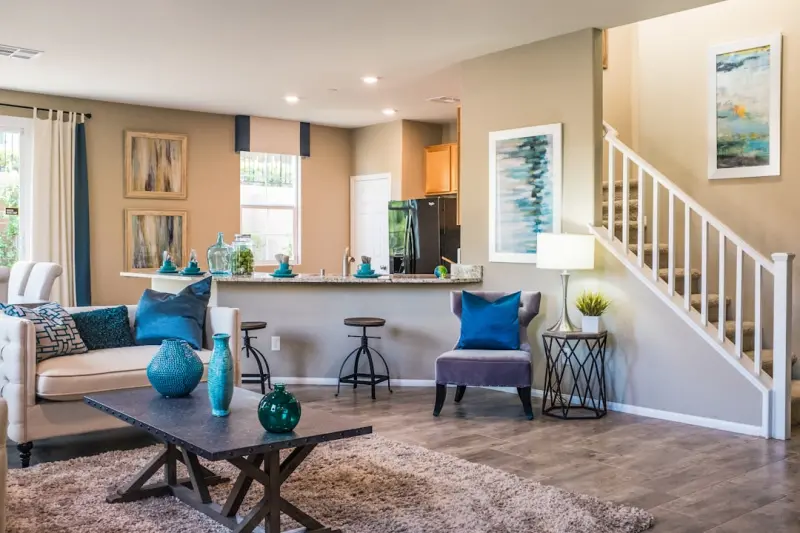
Design Home Zones That Boost Focus, Relaxation, and Movement
Discover practical, low‑cost methods for zoning your home to support work, relaxation, exercise, a... Read More

Illuminating Your Home: How Ambient Lighting Transforms Everyday Living
A deep dive into using layered ambient lighting, smart bulbs, and air‑purifying plants to create a... Read More

The Hidden Power of Everyday Home Tweaks: Boost Comfort, Save Money, and Feel More Alive
Small, intentional adjustments—like optimizing light, sealing drafts, adding greenery, and creatin... Read More
Top Posts
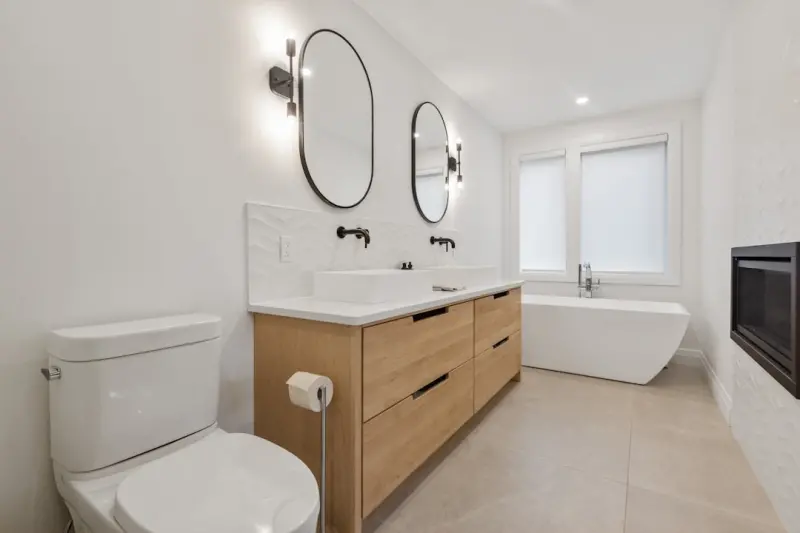
Minimalist Bathroom Makeover: Elevate Personal Care with Intentional Simplicity
A minimalist bathroom transforms personal care from a chaotic checklist into a calm, intentional ritual. Learn how decluttering, thoughtful fixtures, and simple...Read More

How Roaming the World Can Supercharge Your Network
Travel isn’t just a break—it’s a strategic career move. Learn how to turn each trip into a networking powerhouse, build portable communities, and bring ba...Read More

Smart Storage Strategies to Transform Small Spaces
Learn how to turn vertical space, multipurpose furniture, and simple labeling into powerful storage solutions that keep your home organized, sustainable, and st...Read More

Designing Digital Boundaries: A Modern Blueprint for Mental Calm
In a world of constant notifications, setting intentional digital boundaries is essential for mental well‑being. This guide offers actionable micro‑moves, c...Read More
0 Comments
Post Comment
You will need to Login or Register to comment on this post!