
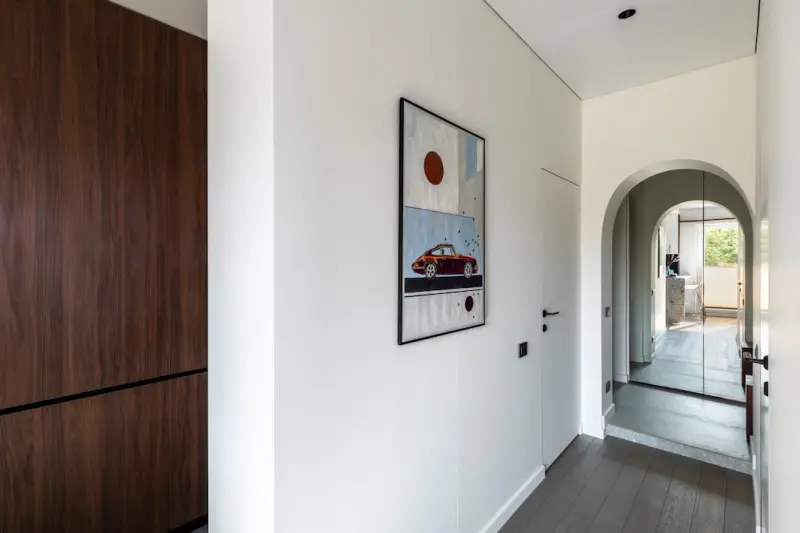
Ever walked into a room and felt that subtle, almost invisible tug? It’s the same feeling you get when a favorite song pops on the radio at just the right moment—unexpected, but instantly uplifting. Home isn’t just a roof over our heads; it’s a living soundtrack, a collection of textures, smells, and visual cues that shape our mood from the moment we step inside. I’ve spent the past decade turning ordinary apartments and modest houses into personal sanctuaries, and the secret sauce isn’t always a fancy paint swatch or a designer sofa. It’s the series of tiny, intentional adjustments that turn “just a room” into a space that actively supports your well‑being.
Why Small Spaces Deserve Big Attention
We live in an era where square footage is a premium commodity. Whether you’re renting a studio in the city or sharing a two‑bedroom house with a partner, the space you have is finite. But finite does not mean limited. In fact, the constraints of a smaller footprint can be a catalyst for creativity. When you’re forced to think critically about every square foot, you start to ask the right questions:
- What function does this corner truly serve?
- Can a piece of furniture double as a storage solution?
- How does light move through this room at different times of day?
These questions set the stage for a home that works for you, not the other way around.
1. Map Your Energy Flow
Before you buy a new rug or rearrange a bookshelf, take a moment to observe the natural energy patterns in your home. Notice where sunlight streams in, where drafts linger, and which areas feel “quiet” versus “busy.” This isn’t about Feng Shui or any mystic jargon; it’s about optimizing airflow and natural light to boost mood and productivity.
Here’s a quick exercise:
- Pick a weekday when you’re home for at least three hours.
- Grab a notebook and a pen.
- Every 15 minutes, note where you’re sitting, what you’re doing, and how you feel. Pay attention to temperature, brightness, and background noise.
After a day of observations, you’ll likely see patterns: a sunny corner that makes you feel alert, a hallway that feels cold and uninviting, or a corner where the hum of the refrigerator adds a low‑level “white noise” that actually helps you focus.
2. Create Purpose‑Driven Micro‑Zones
Instead of thinking about rooms as monolithic spaces, break them down into micro‑zones, each with a single, clear purpose. The goal is to eliminate decision fatigue—so you never have to ask yourself, “What should I do here?” The answer is already embedded in the environment.
Examples:
- Morning Boost Nook: A small corner by the window with a comfortable chair, a lamp with a warm hue, and a small shelf for a journal and a favorite tea.
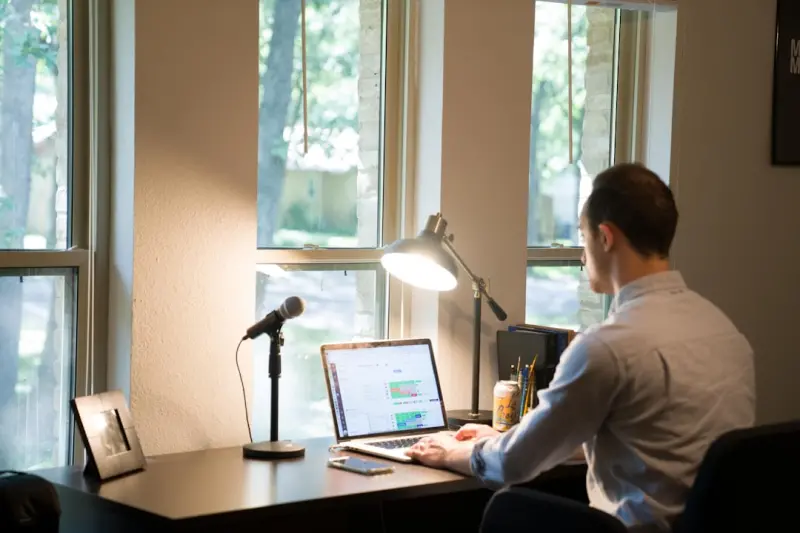
- Focused Work Pod: A desk positioned away from high‑traffic pathways, equipped with noise‑absorbing panels or a simple bookshelf that doubles as a visual barrier.
- Evening Wind‑Down Alcove: A floor‑level rug, soft lighting, a diffuser with calming scents, and a low‑profile storage bin for books or a tablet.
Each micro‑zone should have three essential ingredients: a clear visual cue, a functional object, and a sensory trigger (light, sound, or scent) that tells your brain, “You’re here to do X.”
3. Leverage Multi‑Functional Furniture
When every piece of furniture serves a dual purpose, you instantly gain more usable floor space. Think beyond the classic “storage ottoman.” Here are some fresh ideas that go beyond the usual suggestions:
- Fold‑Down Wall Desk: Mounted to a wall, it can be tucked away when not in use, leaving a clean wall for art or a gallery of inspiring prints.
- Convertible Coffee Table: A table with a lift‑top that reveals hidden compartments for paperwork, tech accessories, or even a small planter.
- Vertical Ladder Shelf: Lean a ladder against a wall and use its rungs as shelves for plants, books, or decorative baskets.
These solutions keep the visual clutter low while adding storage capacity—a perfect segue into the next section.
4. Smart Storage Hacks for Tight Spaces
Every home has that one “forgotten” spot where you can stash items without them ever being seen—under the bed, above the closet rod, behind the bathroom door. The trick is to make those spots accessible and organized. For a deeper dive, check out this guide on smart storage hacks for tight spaces. Below are a few of my personal favorites:
- Vacuum‑Sealed Seasonal Bags: Store off‑season clothing in clear, vacuum‑sealed bags and slide them under the bed or atop high shelves. The compression frees up space while keeping fabrics protected.
- Magnetic Spice Racks on the Fridge Door: Turn the side of your refrigerator into a mini‑pantry. Small metal tins hold spices, tea bags, or even tiny office supplies like paper clips.
- Behind‑Door Organizers: Use slim, fabric pockets that hang on the back of interior doors. Perfect for storing shoes, cleaning supplies, or even a daily “grab‑and‑go” bag.
When you make storage part of the room’s design language—think matching colors, similar materials, or cohesive hardware—the whole space feels intentional rather than “tacked on.”
5. Curate Your Sensory Palette
Our brains are wired to respond to sensory cues. A well‑curated palette of light, sound, and scent can turn a drab apartment into a personal wellness hub. Here’s how to start:
- Light: Use a combination of natural daylight, adjustable LED lamps, and soft fairy lights. Dimmer switches let you transition from “work mode” to “relax mode” with a simple turn.
- Sound: A low‑volume ambient playlist (think rain, distant ocean waves, or soft instrumental) can mask distracting noises. A small Bluetooth speaker placed in a corner can double as a “sound anchor” for your work pod.
- Scent: Diffusers are the easiest way to add aroma without clutter. Choose citrus for morning energy, lavender for evening calm, and eucalyptus for focus during study sessions.
Keep the sensory elements subtle—overloading can be counterproductive. The aim is to create a backdrop that nudges your brain toward the activity you’ve assigned to each micro‑zone.
6. The Power of “Reset” Corners
Even the most organized homes benefit from a momentary “reset” zone—a place where you can pause, breathe, and recalibrate. It’s not a meditation studio (though it can be); it’s a simple, low‑effort spot that encourages a mental reset.
My favorite reset corner includes:
- A small floor cushion or bean bag.
- A tiny tabletop fountain or a white‑noise machine.
- A stack of index cards with quick prompts like “Gratitude,” “One‑Minute Stretch,” or “Brain Dump.”
Spend just two minutes here when you feel overwhelmed, and you’ll notice a measurable drop in stress levels—science backs this up, but you’ll also feel the difference.
7. Rotate Seasonal Decor Without Overhauling
Seasonal changes can be a fantastic excuse to refresh your environment without buying new furniture. Instead of a full makeover, rotate a handful of accessories:
- Spring: Light pastel cushions, fresh cut flowers in a glass jar, and a bowl of citrus fruits.
- Summer: Nautical throws, a small indoor palm, and a tray of cold brew coffee or iced tea.
- Fall: Warm plaid blankets, a pumpkin‑shaped candle, and dried‑flower garlands.
- Winter: Soft faux‑fur throws, a string of warm white bulbs, and a scented pine diffuser.
Because the core layout remains the same, you’re not re‑investing in big pieces—just swapping out small, inexpensive items that shift the mood dramatically.
8. Embrace “Hidden” Tech for a Clean Aesthetic
Technology is essential, but cables, chargers, and devices can quickly become eyesores. Here are a few low‑tech solutions that keep the visual field clean:
- Cable Management Boxes: Simple cardboard boxes painted to match your wall color can hide power strips and excess cords.
- Wireless Chargers Integrated into Furniture: A nightstand with an embedded charging pad reduces the need for a separate charger and cord.
- Smart Speakers with Minimalist Design: Choose devices that blend into the décor—think matte black or wood‑grain finishes.
When tech disappears into the background, the room feels larger and more tranquil.
9. Personalize With Meaningful Artifacts
Clutter is often the enemy of calm, but not all objects are equal. A single, meaningful artifact—like a travel souvenir, a handwritten note, or a family heirloom—can anchor a space emotionally. Choose one or two pieces per room and give them a designated “spot.” This practice avoids the “everything‑on‑the‑shelf” syndrome while still honoring memories.
10. Keep a Continuous Improvement Log
Just as you might track goals at work, maintain a simple “home‑improvement log.” Each week, jot down one small change you made and how it felt. Over time, patterns emerge: perhaps you notice that adding a plant near the window increased your afternoon focus, or that a new lamp reduced eye strain.
Here’s a quick template:
Date: __________
Change Made: ______________________
Location: ________________________
Immediate Reaction: __________________
Long‑Term Impact (after 1 week): __________________
This reflective habit turns home‑tinkering into a data‑driven practice, ensuring that every tweak truly benefits your well‑being.
Putting It All Together: A Sample Day in a Revitalized Small Space
Imagine waking up in a sun‑kissed bedroom where the curtains are drawn back to let natural light flood the “Morning Boost Nook.” You slide a low‑profile notebook onto the bedside table, sip a citrus‑infused tea, and spend five minutes journaling.
After a quick shower, you head to the “Focused Work Pod.” The desk is tucked against a wall, a fold‑down desk that hides when you’re done. A subtle white‑noise soundtrack plays from a discreet speaker, while a small potted fern on the edge of the desk cleanses the air.
Lunch time finds you in the “Evening Wind‑Down Alcove,” even though it’s still midday—because you’ve programmed your lighting to mimic the sun’s arc. Soft amber lighting and a gentle lavender scent help you transition from work to rest, allowing you to read a chapter of your favorite book.
Later, you pause at the “Reset Corner” for two minutes, breathing deeply while the fountain’s trickle reminds you of a nearby stream from a vacation years ago. You glance at your home‑improvement log, note that the reset corner helped reduce your stress rating from 7 to 4, and feel motivated to add a small crystal for added calm.
By night, you dim the lights, turn on a low‑volume playlist of ocean waves, and slide the fold‑down desk back up, revealing a clean wall. The room feels spacious, purposeful, and, most importantly, aligned with your personal rhythm.
Final Thoughts
Transforming a small space into a wellness‑friendly sanctuary isn’t about massive renovations or expensive décor. It’s about intentionality—recognizing the subtle ways light, sound, scent, and function intersect to influence your mood and productivity. By mapping energy flow, carving out purpose‑driven micro‑zones, embracing multi‑functional furniture, and continuously iterating with a simple log, you can turn any modest footprint into a haven that supports the best version of yourself.
Remember, the journey is iterative. One tweak may spark another idea, and before you know it, the entire home feels like an extension of your personal wellness practice. So grab a notebook, start observing, and let your space evolve with you.

Jody Henderson is a passionate freelance writer, driven by a love for storytelling and a keen eye for detail. With a versatile skillset, she crafts compelling content across a variety of niches, from engaging blog posts to informative articles and persuasive marketing copy.
Related Posts

How to Refresh Your Home Every Season Without Breaking the Bank
Discover practical, low‑cost strategies to give your home a fresh look each season, from swapping ... Read More

Smart Home Hacks: Comfort, Efficiency, and Easy Organization
Jill Hamilton shares easy, low‑cost smart‑home tricks—from micro‑automation and adaptive lig... Read More
Seasonal Home Refresh: Simple Swaps to Energize Every Room
Learn how to revitalize your space with textile changes, lighting tricks, scent strategies, and smar... Read More
Top Posts
Minimalist Bathroom Makeover: Elevate Personal Care with Intentional Simplicity
A minimalist bathroom transforms personal care from a chaotic checklist into a calm, intentional ritual. Learn how decluttering, thoughtful fixtures, and simple...Read More
The Future‑Ready Home: Blending Tech, Sustainability, and Style
Explore a fresh approach to home living that merges technology, green practices, and design, turning any space into a sustainable, stylish sanctuary....Read More

Playful Mental Fitness: Gamify Your Daily Routine for a Healthier Mind
Learn how simple, game‑like tweaks to daily routines can strengthen mental resilience, sharpen focus, and bring more joy to work and life....Read More
Turn Your Home Into a Productivity Powerhouse Without Adding Square Footage
A practical guide to transforming everyday spaces—like entryways, kitchens, and micro‑zones—into productivity‑boosting zones using light, invisible stor...Read More
0 Comments
Post Comment
You will need to Login or Register to comment on this post!