
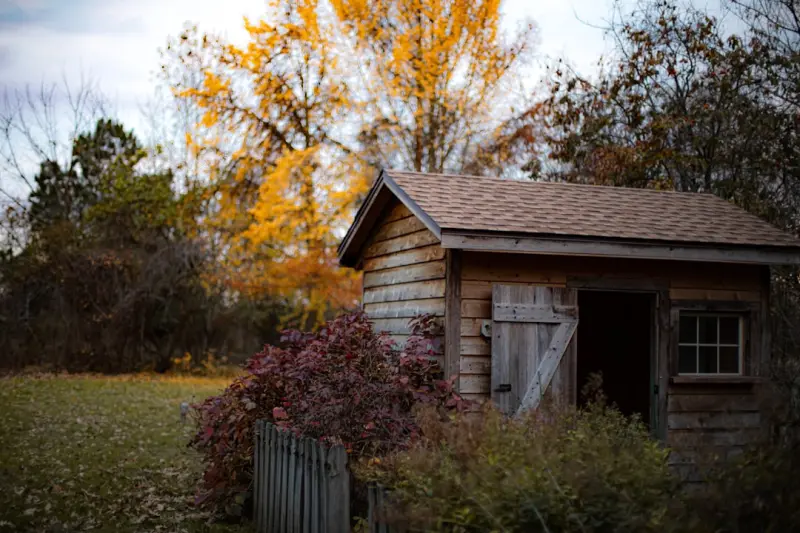
From Drab to Dreamy: Reimagining the Backyard Shed as a Creative Oasis
When I first inherited my grandparents’ modest two‑bay shed, I thought of it as nothing more than a storage closet for garden tools and a few dusty boxes of forgotten memorabilia. It was a structure that sat silently at the edge of the yard, its paint faded, the roof slightly sagging, and a single, grimy window that barely let in enough light to see the spider webs that had claimed the corner. Yet, as I stood there one late‑summer afternoon, a thought sparked: what if this neglected little building could become the heart of my home’s outdoor life?
That moment was the catalyst for a project that transformed the shed from a forgotten utility space into a multifunctional sanctuary—a place where I could read, garden, entertain, and even work on a laptop when the weather demanded indoor comfort. Below, I walk you through the journey step by step, sharing the design decisions, the challenges, and the unexpected joys that came with breathing new life into a structure that most homeowners simply discard.
1. Assessing the Space – A Realistic Starting Point
Before diving into any design, I performed a thorough audit of the shed’s condition. This involved:
- Structural integrity: Checking the foundation for cracks, inspecting the roof rafters for rot, and ensuring the doors opened smoothly.
- Insulation and ventilation: The original shed was barely insulated, making it uncomfortably cold in winter and stifling in summer.
- Lighting: The sole window offered a meager 4 square feet of natural light.
- Utility access: No electricity or plumbing was present.
My goal wasn’t to create a full‑blown greenhouse or a high‑tech studio. Instead, I aimed for a space that could comfortably host a reading nook, a mini indoor garden, and a small work area. By keeping expectations realistic, I avoided costly structural overhauls and kept the project within a modest budget.
2. Designing with Purpose – Zones That Flow
Once the assessment was complete, I sketched a simple floor plan that divided the 120‑square‑foot interior into three distinct zones:
- The Light‑Infused Reading Corner: Positioned opposite the existing window, this zone would feature a comfortable armchair, a built‑in bookshelf, and a small table for tea.
- The Indoor Garden Shelf: Running along the back wall, I designed a tiered shelving system for potted herbs, succulents, and a few decorative ferns.
- The Compact Work Desk: Near the door, I placed a narrow desk that could double as a craft table, equipped with power outlets and a modest LED task lamp.
By creating clear zones, I ensured each activity had its own visual cue, preventing the space from feeling cluttered or chaotic.
3. Light Is Life – Maximizing Natural and Artificial Illumination
One of the biggest hurdles was the shed’s lack of natural light. To remedy this, I installed a skylight that spanned the length of the roof’s central ridge. This not only flooded the interior with daylight but also added a touch of architectural drama. For evenings and overcast days, I layered lighting:
- Ambient lighting: Warm LED strip lights hidden behind the shelving units.
- Task lighting: A portable, rechargeable desk lamp with adjustable brightness.
- Accent lighting: Small fairy lights draped over the reading chair, creating a cozy glow.
The combination of natural and artificial light transformed the shed from a dim storage closet into a bright, welcoming oasis.
4. Reclaimed Materials – Sustainability Meets Style
Rather than buying brand‑new fixtures, I sourced reclaimed wood, salvaged windows, and repurposed metal brackets from local demolition sites. The reclaimed pine boards gave the interior a rustic charm, while the salvaged glass panes added character to the new windows. This approach not only reduced waste but also kept costs down by up to 30%.
For those interested in learning more about integrating greenery into confined spaces, I found inspiration in an article about vertical herb walls. While my shed’s garden shelf is horizontal, the same principles of maximizing vertical real‑estate apply.
5. Insulation and Comfort – Making the Shed All‑Season Friendly
To make the space usable year‑round, I added a thin layer of spray foam insulation to the walls and roof. This insulated the interior without sacrificing headroom. I also installed a low‑profile, energy‑efficient electric heater that could be controlled via a smart plug—perfect for chilly mornings when I wanted to curl up with a book.
For ventilation, a small, solar‑powered exhaust fan installed near the roof ensures fresh air circulates without the need for noisy mechanical systems.
6. The Garden Shelf – A Living Backdrop
Plants not only improve air quality; they also provide a calming visual backdrop. I built a three‑tier wooden shelf along the back wall, each tier spaced to accommodate pots of varying heights. I chose low‑maintenance varieties:
- Herbs: Basil, thyme, and mint—great for cooking and fragrant.
- Succulents: Echeveria and haworthia, which thrive in indirect light.
- Ferns: Boston fern for a touch of lush greenery.
The greenery adds a sense of vitality, turning the shed into an indoor garden sanctuary without requiring a full‑scale greenhouse.
7. Furnishing with Flexibility – Furniture That Moves With You
Every piece of furniture was selected for its flexibility:
- Fold‑out armchair: A compact, upholstered chair that can be tucked away when I need extra floor space.
- Modular bookshelf: Adjustable shelves that can be reconfigured as my collection of books and magazines grows.
- Rolling desk: Equipped with casters, the desk can slide against the wall for cleaning or be positioned closer to the window for sun‑lit work sessions.
This adaptability ensures the shed remains functional even as my needs evolve.
8. Adding Personal Touches – The Devil’s in the Details
To make the space truly mine, I layered in personal details:
- Art: A small gallery of vintage botanical prints hung on the side wall.
- Rugs: A hand‑woven, earth‑tone rug that softened the concrete floor.
- Sound: A portable Bluetooth speaker that plays ambient nature sounds, creating an immersive environment.
These finishing touches transformed the shed from a mere room into a space that feels like an extension of my home’s personality.
9. The Unexpected Benefits – More Than Just a Pretty Space
Since completing the transformation, the shed has become a hub for a variety of activities:
- Creative brainstorming: The natural light and greenery spark ideas for work projects.
- Family gatherings: My grandchildren love the “secret fort” feel, and we often enjoy afternoon tea together.
- Quiet meditation: The calm ambiance makes it an ideal spot for short mindfulness breaks.
In fact, the shed’s impact on my overall wellbeing has been comparable to the benefits described in an article about pollinator‑friendly balconies, where small, thoughtfully designed spaces foster a deeper connection with nature.
10. Tips for Your Own Shed Makeover
If you’re inspired to give your shed a makeover, keep these practical pointers in mind:
- Start with a budget: Set a clear financial ceiling and prioritize structural repairs before aesthetic upgrades.
- Plan for power: Even a simple extension of an outdoor circuit can support lighting and a small heater.
- Use reclaimed materials: They add character and reduce environmental impact.
- Focus on lighting: Natural light is priceless; add skylights or larger windows where possible.
- Design for flexibility: Choose furniture that can be re‑arranged as your needs change.
11. Maintaining the Magic – Longevity Tips
Once the space is set up, regular maintenance ensures it stays inviting:
- Check for leaks: Inspect the roof after heavy rain.
- Refresh paint: A light coat of non‑toxic paint every few years keeps the interior bright.
- Rotate plants: Move pots periodically to give each plant optimal light exposure.
- Dust regularly: Clean the skylight and windows to maintain maximum daylight.
These small habits preserve the shed’s charm and functionality for years to come.
12. The Bigger Picture – Why Small Transformations Matter
In a world where large‑scale home renovations dominate headlines, it’s easy to overlook the power of modest, intentional projects. Transforming a shed into a creative oasis is a reminder that even the smallest structures can become focal points for family connection, personal growth, and sustainable living.
When you approach a neglected space with curiosity and a willingness to experiment, you’ll discover possibilities that extend far beyond the square footage. Your shed could become a writer’s retreat, an artist’s studio, a mini‑gym, or even a quiet meditation pod. The only limit is your imagination.
So, the next time you pass by that weather‑worn shed, ask yourself: What story could this space tell if given a chance? And then, roll up your sleeves and start writing that story—one reclaimed plank, one skylight, and one thriving plant at a time.

Dale Peterson is a freelance writer with a passion for technology, travel, law and personal finance. With 10 years of experience crafting compelling and informative content, he's dedicated to delivering high-quality writing for Blogging Fusion that engages audiences and achieves specific goals.
Related Posts
Transforming Everyday Junk into Garden Gems: A Hands‑On Upcycling Guide
Learn how to turn everyday junk into stunning garden pieces with practical upcycling ideas that add ... Read More
Why My Garden Desk Became the Heartbeat of Home Living
A garden desk turned my backyard into a thriving creative hub, where sunlight fuels focus, nature sp... Read More
From Backyard to Lounge: Crafting a Year‑Round Outdoor Living Room
Transform your backyard or balcony into a year‑round lounge with strategic design, vertical garden... Read More
Top Posts

AI as Your Product’s Quiet Co‑Pilot: Harnessing Subtle Intelligence for B2B SaaS
A quiet AI co‑pilot can transform B2B SaaS operations by providing proactive guidance, building trust through explainable insights, and delivering measurable ...Read More

Urban Vertical Gardens: Growing Lush Green Walls in Small Spaces
Learn to turn any wall, balcony, or railing into a thriving vertical garden. Space‑saving strategies, plant selections, and design tricks help city dwellers b...Read More

The Narrative Nomad: Turning Every Journey Into a Compelling Story
Learn to treat travel as a living story by focusing on characters, settings, conflict, and resolution. With simple tools and a narrative mindset, turn each jour...Read More
Why Employee Learning Pods Are the Quiet Revolution in the Workplace
Learning pods—small, self‑organized groups focused on shared goals—are transforming how teams acquire skills and bond, delivering real results and stronge...Read More
0 Comments
Post Comment
You will need to Login or Register to comment on this post!