
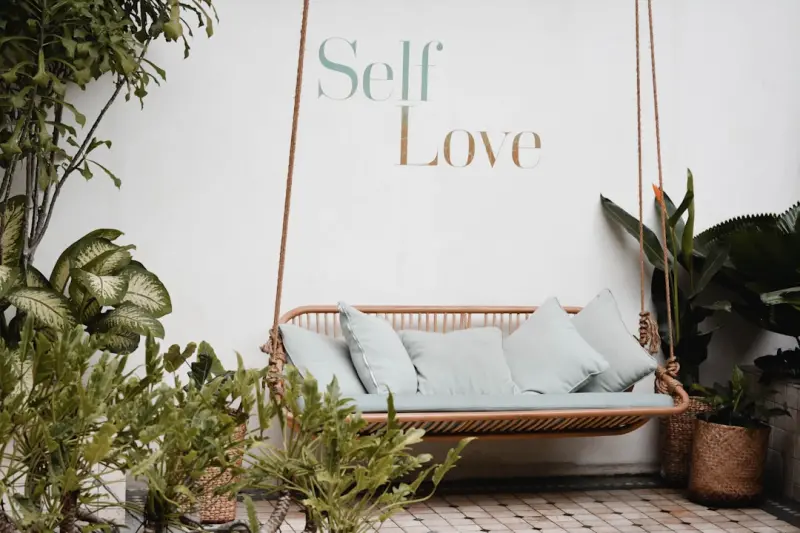
When I first walked into the spare bedroom of my new apartment, I saw a blank canvas – four walls, a window that let in a hesitant afternoon light, and a lingering echo of empty space. It felt like a whisper, asking me what I wanted to make of it. That moment sparked a tiny rebellion in me: I would carve out a sanctuary, not a show‑piece, but a place that quietly recharged my mind, body, and spirit. Below is the step‑by‑step story of how I built a home wellness nook that feels both intentional and effortlessly lived‑in.
1. Start With Intent, Not Square Footage
Most “home‑tip” articles begin with measurements: “Use a 10‑by‑10 area,” or “Fit a couch in this corner.” I flipped that script. Before any furniture moved, I asked myself three questions:
- What mood do I need most? – Calm, energizing, reflective?
- Which senses need a hug? – Sight, sound, smell, touch, taste?
- How will I use the space daily? – Morning meditation, evening reading, brief stretches?
Answering these turned the project from a design task into a personal promise. My nook became a “daily reset button,” not just a decorative corner.
2. Choose a Corner That Mirrors Your Rhythm
Every home has a natural flow. In my case, the bedroom’s southeast corner caught the gentle sunrise, while a hallway nook offered a quiet transition between the living room and kitchen. I selected the bedroom corner because the early light nudged me toward gentle waking, and the proximity to my bed made nighttime wind‑downs seamless.
Tip: If you have a window that frames a view of trees, a street, or even a garden, let that be the focal point. The outside world becomes part of your sanctuary, extending the sense of space.
3. Light It Up the Way You Want to Feel
Lighting is the silent composer of atmosphere. I avoided harsh overhead LEDs and instead layered three sources:
- Ambient glow: A warm‑toned floor lamp with a dimmer, set to a low 2700‑kelvin hue. It mimics the soft glow of sunrise.
- Task light: A small adjustable LED reading lamp for when I dive into a book or journal.
- Accent sparkle: A string of fairy lights draped along a shelf, adding a gentle twinkle for evening relaxation.
When you dim the lights, you signal to your brain that it’s time to slow down. For those who love natural light, sheer curtains can diffuse harsh sunlight while still inviting its calming presence.
4. Embrace the Power of Scent (Without Over‑Doing It)
I’m a fan of subtle aroma. Instead of spraying a room‑filling fragrance, I placed a small ceramic bowl with dried lavender and a few drops of eucalyptus oil. The scent rose gently as the air moved, never overwhelming. If you’re allergic or prefer fragrance‑free, consider a small indoor plant like Sansevieria that improves air quality while offering a faint, earthy aroma.
5. Tactile Comfort: The Underrated Hero
Touch is a fast‑acting mood regulator. I layered textures to invite the hands:
- A soft, natural‑fiber rug (jute or hemp) underfoot.
- A plush, oversized cushion made from organic cotton.
- A woven throw blanket in muted earth tones, perfect for draping over a lap during meditation.
When you run your fingers over these textures, you activate a calming feedback loop in the nervous system. It’s a small, inexpensive way to make the space feel lived‑in and welcoming.
6. Soundscapes That Speak Your Language
Background noise can either distract or deepen focus. I opted for a minimalist approach: a small Bluetooth speaker set to a low volume playing a curated playlist of ambient nature sounds – distant rain, soft wind through leaves, and occasional bird calls. The key is to keep the volume low enough that it becomes a subconscious backdrop rather than a headline.
7. Add Greenery – It’s More Than Decoration
Plants bring life, improve air quality, and provide a visual anchor. I chose a mix of low‑maintenance options:
- Pothos in a hanging macramé pot, trailing gently toward the floor.
- ZZ plant on a side table, thriving in low light.
- A small herb garden on the windowsill – basil, mint, and rosemary – for a touch of culinary inspiration.
For a deeper dive on nurturing indoor greenery, check out our guide on practical tips for home gardeners. Even if you’re not a green thumb, a single resilient plant can shift the energy of a room.
8. Keep Technology Minimal, But Smart
My philosophy is “tech‑light, purpose‑heavy.” I allowed only one smart device: a voice‑activated timer that helps me track breathing exercises or short stretching sessions. Anything beyond that felt like an intrusion. This aligns with the idea of establishing boundaries with technology to protect mental calm, a concept explored in Designing Digital Boundaries. By limiting screens, the nook remains a refuge, not a work zone.
9. Curate a Small Library of Inspiration
Instead of a sprawling bookshelf, I chose a single, sturdy wooden shelf to hold a few of my favorite titles:
- A poetry collection that I read aloud during sunrise.
- A pocket‑size journal for sketching or noting gratitude.
- A small coffee‑table book on mindfulness, open to a new page each day.
The limited selection keeps the space uncluttered while providing purposeful material to engage with.
10. Ritualize the Space – Make It Your Habit
All the design elements are only as good as the habits you build around them. I instituted three daily rituals:
- Morning Light Stretch (5 minutes): I sit on the cushion, open the blinds, and do gentle neck rolls while listening to the ambient soundscape.
- Midday Breath Break (2 minutes): Using my timer, I practice a simple box breathing technique, feeling the scent of lavender as I inhale.
- Evening Wind‑Down (10 minutes): I dim the lights, read a poem, and sip warm herbal tea, letting the space transition me toward rest.
These micro‑practices anchor the nook in my daily rhythm, turning it from a decorative corner into a living part of my wellbeing.
11. Personalize With Meaningful Objects
Every object should tell a story. I added a smooth river stone I collected on a hike, a tiny copper figurine that reminded me of a favorite childhood tale, and a small photo of a sunrise over a lake. These items act as subtle cues, reminding me of the larger world while I’m grounded at home.
12. Keep It Flexible – Let the Nook Evolve
Life changes, and so will the nook. Perhaps you’ll want to swap the reading lamp for a small yoga mat, or replace the herb garden with a mini succulent terrarium. The beauty of a low‑commitment design is that you can iterate without costly renovations. Periodically reassess the three guiding questions from the start and adjust accordingly.
13. Celebrate the Small Wins
When you first sit in your newly crafted nook, notice the sensations – the soft rug under your feet, the faint scent of lavender, the warm glow of the lamp. Celebrate that moment. These tiny acknowledgments reinforce the value of the space and encourage you to keep returning.
14. Share, But Keep the Magic Personal
Friends often ask, “How did you create such a peaceful corner?” I share the framework, not the exact layout. The magic lies in tailoring it to your own rhythms, senses, and constraints. By offering the process rather than the prescription, you empower others to craft their own sanctuaries.
Conclusion: A Nook That Grows With You
Designing a home wellness nook is less about aesthetic perfection and more about aligning a physical space with your inner cadence. By focusing on intention, sensory balance, and sustainable habits, you create a pocket of calm that supports you through busy days and restless nights. Remember, the goal isn’t to escape your home but to deepen your connection with it – one gentle breath, one soft light, one mindful moment at a time.

Karen Edwards is a seasoned freelance writer with a passion for all things furry, feathered, and scaled. With a dedicated focus on pets, she brings a wealth of knowledge and a keen eye for detail to her writing.
Related Posts

Seasonal Home Reset: A Practical Checklist for Every Quarter
A quarter‑by‑quarter guide that blends quick wins with larger projects, helping you maintain ene... Read More

Create a Focus‑Boosting Home Reading Nook
Learn how to turn an overlooked spot in your home into a dedicated reading nook with practical tips ... Read More

Designing a Remote‑Work Ready Home That Fuels Focus and Well‑Being
Discover how to remodel your living space into a remote‑work ready environment with zones for focu... Read More
Top Posts

Smart Lighting Hacks to Boost Mood & Productivity
Explore practical smart lighting strategies—from layering fixtures to syncing with your sleep cycle—that transform any space into a mood‑enhancing, energy...Read More

The Video Call Fatigue Paradox: Protecting Your Mind in a Screen‑Driven World
Endless video conferences are silently draining our mental health. This article explores why video calls cause unique stress, introduces AI‑enabled tools and ...Read More

Turn Your Compact Home into a High‑Efficiency Hub
Learn how to transform a compact living space into a high‑efficiency hub using smart zoning, modular storage, low‑tech air solutions, one‑touch automation...Read More

Equity as a Career Compass: Turning Ownership into the Core of Modern Employment
Employee equity has moved from a perk to a strategic career cornerstone. This article examines why equity matters, how to design effective programs, and the cul...Read More
0 Comments
Post Comment
You will need to Login or Register to comment on this post!