

When I first moved into my modest bungalow, I was struck not by the spacious backyard or the grand kitchen, but by the tiny, overlooked spaces that seemed to exist only to be ignored. A narrow hallway that collected dust, a dead‑end balcony with a cracked railing, a sun‑scarred window ledge that never saw a plant’s root—these were the quiet corners of my home that whispered, “Give me a purpose.” Over the past few months, I’ve turned those forgotten nooks into thriving garden sanctuaries, and the transformation has been nothing short of magical. In this deep‑dive, I’ll share the mindset, the step‑by‑step process, and the surprising benefits of re‑imagining every underused area as a miniature green oasis.
Why the Small Spaces Matter More Than You Think
Most home‑improvement guides focus on big projects: renovating kitchens, adding decks, or landscaping sprawling yards. While those are exciting, the cumulative impact of tiny, purposeful interventions can be far greater. Small garden pockets improve indoor air quality, create visual relief, and even boost your mood by providing a daily dose of nature. Research shows that exposure to greenery, even in minimal doses, reduces stress hormones and sharpens focus—benefits that echo the insights from our stress‑free sanctuary tips. By treating each neglected corner as a canvas, you’re not just filling space; you’re curating experiences.
Start with a Vision Board: Dream, Sketch, Prioritize
Before you buy soil or pots, spend a few hours visualizing the potential of each area. Grab a notebook or a digital app and photograph every nook you intend to transform. Then, ask yourself:
- What amount of sunlight does this spot receive?
- Is it exposed to wind, moisture, or extreme temperature swings?
- What functional role could it serve—herb garden, meditation alcove, reading nook?
Rank the spaces by feasibility and impact. A sunny windowsill might become a herb garden, while a shadowed stairwell could host low‑light ferns. The key is to align the purpose of each micro‑garden with the unique conditions of its location.
Choosing the Right Plants for Miniature Environments
The plant selection stage is where science meets aesthetics. For bright, sunny spots, consider Mediterranean herbs such as rosemary, thyme, and oregano. These not only thrive under intense light but also double as kitchen staples. In dimmer corners, opt for resilient foliage like ZZ plants, pothos, or the ever‑charming cast‑iron plant. If you crave color, dwarf varieties of begonias or African violets add vibrancy without overwhelming the space.
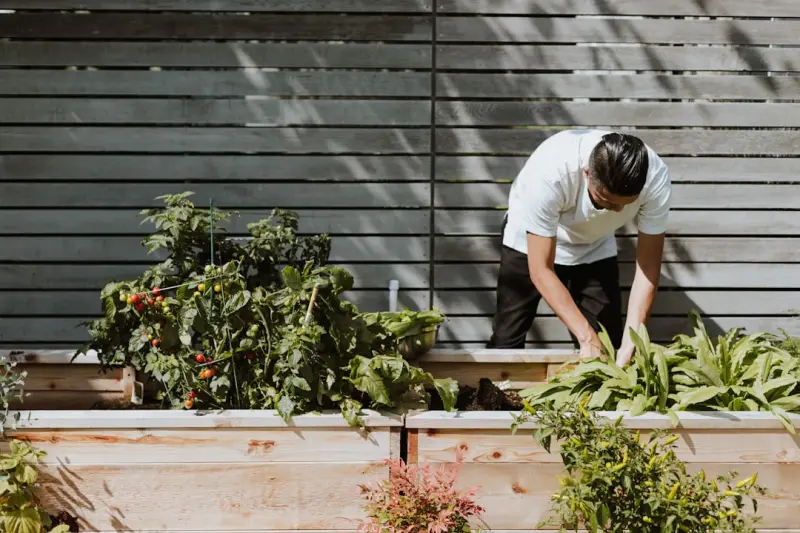
Don’t forget edible options. A tiny balcony can host a vertical tomato cascade using pocket planters, while a kitchen window ledge can nurture a continuous supply of lettuce and microgreens. The micro‑climate zone strategies you learn from that article can be adapted here: group plants with similar light and moisture needs together to create micro‑ecosystems that care for themselves.
Soil, Containers, and the Art of Spatial Efficiency
When dealing with limited square footage, container choice becomes a design decision. Look for stackable or tiered planters that maximize vertical space. Recycled items—old teacups, vintage tins, even repurposed shoe boxes—add personality while keeping costs low. Ensure each container has adequate drainage; a simple layer of broken pottery shards or coconut coir at the bottom prevents waterlogging.
For soil, a lightweight, well‑draining mix works best in containers. Combine peat moss, perlite, and compost in a 2:1:1 ratio. This blend retains enough moisture for most herbs while allowing excess water to escape, reducing the risk of root rot. If you’re cultivating succulents or cacti, swap peat for coarse sand to mimic their natural arid environment.
Lighting Solutions: Harnessing Natural and Artificial Light
Even the most sun‑loving plant can suffer if its light source is inconsistent. Assess each spot’s natural light exposure—morning sun, afternoon glare, or filtered shade. For areas that receive less than four hours of direct light, supplement with LED grow lights. These energy‑efficient fixtures emit the specific spectrum plants need for photosynthesis, and most models come with timers to automate the daily cycle.
Position grow lights a few inches above the foliage and adjust the height as the plants mature. A timer set to 12‑14 hours mimics natural daylight, preventing elongation (leggy growth) while encouraging robust leaf development. If you prefer a more subtle aesthetic, choose fixtures with a warm amber hue that blends seamlessly with home décor.
Watering Wisely: The Goldilocks Rule for Tiny Gardens
Over‑watering is the number one killer of container plants. The “Goldilocks rule”—not too much, not too little, just right—applies especially to small spaces where soil can dry out quickly in sunlight or stay soggy in shade. Use a moisture meter or the finger‑test method: insert your finger an inch into the soil; if it feels dry, water lightly.
Consider self‑watering containers for the busiest spots. These pots have a reservoir at the base that releases moisture as needed, reducing the frequency of manual watering. For a low‑tech option, place a shallow tray of water beneath the pot; capillary action will draw moisture up through the soil, keeping roots hydrated without drowning the plant.
Creating a Cohesive Aesthetic: Color, Texture, and Flow
Even a collection of tiny gardens can feel chaotic if each element competes for attention. Choose a unifying color palette—perhaps soft greens with muted terracotta pots—or a recurring material like reclaimed wood. Layer textures: smooth ceramic vases contrast beautifully with rough stone pebble mulch.
Arrange the plants to guide the eye. Position taller species at the back or center, allowing lower foliage to cascade forward. In narrow hallways, line the edges with low‑height succulents, creating a living border that feels both functional and decorative. The visual flow you craft not only pleases the eye but also encourages movement, subtly prompting you to pause and enjoy each garden vignette.
Seasonal Rotation: Keeping Your Micro‑Garden Fresh Year‑Round
Just as you might change a rug or a throw pillow with the seasons, rotating plants keeps your tiny garden dynamic. In spring, bring out fast‑growing annuals like marigolds or nasturtiums for a burst of color. Summer favors heat‑tolerant herbs, while autumn invites foliage with warm tones—think coleus or heuchera. Winter? Opt for ever‑green succulents or indoor varieties that thrive in cooler, lower‑light conditions.
Storing dormant plants is simple: gently trim back foliage, place them in a cool, dark drawer with a damp paper towel, and reintroduce them when conditions improve. This practice not only extends the life of your plants but also reduces waste, aligning with sustainable gardening principles.
Integrating Functional Elements: From Herb Harvests to Aromatherapy
Beyond beauty, your micro‑gardens can serve practical roles. Herbs within arm’s reach of the kitchen cut prep time dramatically. A cluster of lavender or rosemary near a reading nook provides a subtle, calming scent, enhancing relaxation. Even a small water feature—like a tabletop fountain—adds gentle ambient sound, masking urban noise and fostering a sense of tranquility.
When designing, think about the daily rituals you cherish. If you enjoy morning coffee, place a mint plant beside the kitchen window; a fresh sprig in your brew is invigorating. If you wind down with a book, a pothos draped over the bookshelf adds a touch of nature without distracting from the pages.
Maintenance Hacks for Busy Professionals
Maintaining a garden, no matter how small, can feel daunting if you’re juggling a demanding career. Here are three hacks that keep your green spaces thriving without stealing your time:
- Batch Pruning: Schedule a 15‑minute session once a week to trim dead leaves and encourage new growth. This quick ritual prevents overgrowth and keeps plants tidy.
- Fertilize Smartly: Use slow‑release organic pellets that feed plants for up to three months. Sprinkle them into the soil during your quarterly deep‑cleaning routine.
- Automate with Sensors: Affordable Bluetooth moisture sensors send alerts to your phone when soil dries out, letting you water only when necessary.
These strategies align with the broader theme of efficiency that many of our readers appreciate, especially those who have read our piece on stress‑free sanctuary tips. The goal is to make gardening an effortless, rewarding part of your daily rhythm.
Sharing the Joy: Community, Social Media, and Swaps
One of the most rewarding aspects of nurturing tiny gardens is the conversation it sparks. Invite neighbors over for a “micro‑garden showcase,” swapping cuttings, seeds, or even decorative pots. Document your progress on Instagram or TikTok using hashtags like #NookGarden or #HomeMicroOasis. Not only does this build a sense of community, but it also opens the door to collaborative learning—discovering new plant varieties, troubleshooting tips, and innovative container ideas.
Consider joining local plant swap events or online forums. The exchange of heirloom seeds or rare succulents can add excitement to your garden and deepen your connection to the wider horticultural world.
Measuring Success: Beyond Aesthetics
While a thriving visual display is satisfying, true success lies in measurable benefits. Track these indicators over the first few months:
- Air Quality: Notice reduced dust or a fresher scent in rooms with foliage.
- Stress Levels: Keep a simple journal noting moments of calm when you glance at your garden.
- Productivity: Observe if short “green breaks” improve focus during work-from-home days.
These qualitative metrics echo the findings in our earlier articles about wellness and productivity, reinforcing the idea that even modest green interventions can have outsized effects on well‑being.
Conclusion: Embrace the Power of the Petite
Transforming neglected corners into vibrant garden sanctuaries is more than a design trend; it’s a mindset shift that values every inch of our living spaces. By approaching each nook with intention—matching plants to light, choosing functional containers, and integrating sensory experiences—you’ll cultivate not just greenery, but a series of daily touchpoints that nurture the body, mind, and spirit.
So next time you walk past a dusty hallway, a cracked balcony railing, or a bare windowsill, pause and ask, “What could this become?” The answer, as I’ve discovered, is often a pocket of calm, a source of fresh herbs, or a splash of color that brightens your day. Start small, stay consistent, and watch as your home blossoms—one tiny garden at a time.

Sanji Patel has dedicated 25 years to the SEO industry. As an expert SEO consultant for news publishers, he emphasizes providing both technical and editorial SEO services to news publishers worldwide. He frequently speaks at conferences and events globally and offers annual guest lectures at local universities.
Related Posts

Smart Irrigation Made Simple: A DIY Guide to a Tech‑Savvy Garden
Transform your backyard with a DIY smart irrigation system that saves water, reduces upkeep, and let... Read More

Unlocking the Hidden Potential of Your Attic: From Clutter to Chic
Discover how to turn an underused attic into a stunning, functional space—whether a home office, r... Read More
Vertical Edible Gardens: Harvesting Freshness on Your Home Walls
A step‑by‑step guide to building a vertical edible garden in compact homes, blending practical d... Read More
Top Posts

Storytelling for Stress Relief: Rewrite Your Inner Narrative
Explore practical storytelling exercises that rewire the brain’s stress response, integrate narrative practices at work, and combine scent and herb rituals fo...Read More

Turning Everyday Commutes into Curiosity‑Fuelled Adventures
Learn to treat every commute as a mini‑expedition with sensory mapping, portable travel kits, culinary trails, and community sharing, turning ordinary travel ...Read More

The Soundtrack Strategy: How Curated Music Can Elevate Your Mental Health
Learn to transform your mental health with a personalized music strategy—use curated playlists, ambient soundscapes, and intentional silence to reduce stress,...Read More

Cold Exposure Therapy: Unlocking the Hidden Health Benefits of the Chill
Cold exposure therapy isn’t just a trendy challenge—it’s a science‑backed practice that activates brown fat, boosts immunity, and sharpens mood. Learn p...Read More
0 Comments
Post Comment
You will need to Login or Register to comment on this post!