

Seasonal Space Swaps: Refresh Your Home Every Few Months to Boost Mood, Focus, and Sustainability
When I first moved into my downtown loft, the space felt static – the same layout, the same color palette, the same vibe, week after week. It wasn’t that the place was poorly designed; it was that it never changed. Over time I realized that my home was silently draining my energy, much like an over‑used playlist that never gets refreshed. That’s when I started experimenting with seasonal space swaps – intentional, low‑cost tweaks that align each room with the rhythm of the year.
In this post, I’ll walk you through a step‑by‑step framework for rotating your home’s function and feel every few months. You’ll learn how to re‑energize stale corners, create micro‑zones for productivity, and weave sustainability into everyday living without a full renovation. Think of it as a home‑based version of a wardrobe capsule: a few key pieces, thoughtfully rearranged, keep the experience fresh.
Why Seasonal Swaps Work – The Science Behind Changing Environments
Our brains are wired for novelty. Ambient audio research shows that new auditory cues can enhance focus, but visual novelty works just as powerfully. When we alter lighting, textures, and layout, the brain registers a mild “prediction error,” prompting a release of dopamine that translates to a subtle boost in mood and motivation.
Moreover, aligning your home with the natural cycles of light and temperature helps regulate circadian rhythms. In winter, brighter, cooler spaces encourage alertness, while in summer, softer, warm tones invite relaxation. By deliberately swapping elements, you can harness these cycles rather than fighting against them.
The Core Principles of Seasonal Swaps
- Purpose‑Driven Zones: Assign each room a primary function for the season – e.g., a reading nook in autumn, a creative studio in spring.
- Modular Furniture: Choose pieces that can be easily moved or re‑configured, like lightweight storage cubes or fold‑away desks.
- Textural Layering: Swap blankets, rugs, and cushions to match seasonal palettes; think linen in summer, wool in winter.
- Light Management: Use curtains, blinds, and lamps strategically to mimic the sun’s angle and intensity for each season.
- Sustainable Rotation: Repurpose items you already own before buying new décor; this reduces waste and keeps budgets in check.
Step 1: Audit Your Current Space
Grab a notebook (or a digital note‑taking app) and map out each room’s current function, traffic flow, and dominant colors. Ask yourself:
- Which areas feel underutilized?
- What activities do I wish I could do more often at home?
- Which pieces are versatile enough to move without damaging walls or floors?
For example, my living‑room sofa sits opposite a large window that receives harsh glare in summer. I flagged that as a “potential summer work zone” because the natural light is perfect for screen‑free tasks.
Step 2: Define Seasonal Themes
Instead of generic “spring” or “fall” décor, think in terms of functional themes:
- Renewal (late winter to early spring): Clear clutter, introduce fresh greens, and set up a small indoor garden corner for herb growing.
- Growth (late spring to early summer): Transform a corner into a sketch or DIY craft station, using natural light for accuracy.
- Harvest (late summer to early autumn): Create a reading retreat with warm lighting and a selection of books that inspire reflection.
- Rest (late autumn to early winter): Convert a spare room into a meditation or yoga space with plush floor cushions and soft textiles.
These themes are deliberately broad, allowing you to tailor each swap to your personal interests.
Step 3: Leverage Dynamic Room Zoning Tactics
Dynamic room zoning is all about flexible boundaries, but you can apply the same logic without a full‑scale redesign. Here’s how:
- Portable Dividers: Use folding screens or open‑shelf bookcases to delineate new zones. They’re easy to move and double as storage.
- Multi‑Purpose Rugs: A large rug can define a work area in winter and become a yoga mat in autumn – just change the accessories on top.
- Lighting Layers: Swap table lamps for floor lamps or string lights to instantly shift ambience.
Because the furniture stays put, you avoid the hassle of drilling holes or painting walls. The only cost is a few well‑chosen accessories.
Step 4: Curate Seasonal Textiles
Textiles are the cheapest way to overhaul a room’s feel. Invest in a few high‑quality blankets, pillows, and curtains that can be interchanged.
- Winter: Thick, muted wool throws, deep navy or forest‑green cushions.
- Spring: Light linen covers in pastel blues or soft pinks.
- Summer: Breathable cotton or bamboo sheets, bright tropical patterns.
- Fall: Earthy tones – rust, ochre, and burnt orange – paired with flannel cushions.
When the season changes, swap the textiles, and you’ll notice an instant mood lift. Bonus: these swaps can be done in under thirty minutes.
Step 5: Integrate Water & Sound for Multi‑Sensory Boosts
Even subtle sensory cues amplify the seasonal experience. If you have a small balcony, consider adding a compact water feature that can be moved indoors during colder months. The gentle ripple sound not only masks city noise but also encourages a calm, meditative state.
Pair water with sound: a low‑volume playlist of nature recordings (rain, forest, ocean) can reinforce the seasonal theme – think rain sounds in autumn, birdsong in spring.
Step 6: Re‑Evaluate and Iterate
After each seasonal swap, spend a week observing:
- Do I feel more productive or relaxed?
- Which elements get the most use?
- Are there any friction points (e.g., insufficient lighting, cluttered pathways)?
Document your findings and adjust for the next rotation. This iterative approach ensures your home evolves alongside your lifestyle.
Real‑World Example: A Year in My Loft
Here’s a snapshot of how I applied the framework over twelve months:
- Winter – “Rest & Recharge”: I turned my hallway closet into a meditation corner, adding a floor cushion, a small diffuser, and a low‑light lamp. The space became my go‑to for quick breathing breaks.
- Spring – “Creative Bloom”: The same closet transformed into a mini studio for sketching. I hung a portable easel, swapped the diffuser for a small tabletop plant, and switched to bright, natural‑light bulbs.
- Summer – “Focused Flow”: My living‑room sofa faced the window, and I placed a compact standing desk in front of it. The seasonal light helped reduce eye strain, and I paired the setup with a curated ambient audio playlist.
- Fall – “Reflect & Read”: The studio’s easel was stored away, and I introduced a plush armchair, a warm‑hued rug, and a stack of books on a new side table. The space became my evening retreat.
Each switch required fewer than five new items and less than an hour of rearranging, yet the impact on my well‑being was measurable – I reported higher focus scores during summer work periods and deeper sleep during the winter “rest” phase.
Tips for Budget‑Friendly Swaps
- Shop Secondhand: Thrift stores and online marketplaces often have high‑quality textiles at a fraction of the cost.
- DIY Decorative Panels: Create your own acoustic panels from fabric‑wrapped insulation; they double as sound dampeners and visual art.
- Multipurpose Furniture: Look for ottomans that open for storage, or coffee tables that lift to become desks.
- Seasonal Sales: Align purchases with traditional retail cycles – winter sales for warm textiles, spring clearance for lighter fabrics.
Potential Pitfalls and How to Avoid Them
Over‑Cluttering: It’s tempting to add a new accessory each season. Resist – stick to swapping existing pieces.
Inconsistent Lighting: Forgetting to adjust window treatments can cause glare or dimness. Keep a set of seasonal curtains ready to swap.
Neglecting Functionality: Aesthetic changes shouldn’t impede movement. Ensure pathways stay clear, especially if you’re using portable dividers.
Bringing It All Together – Your Seasonal Swaps Checklist
- Complete a room audit and note underused spaces.
- Define a functional theme for the upcoming season.
- Identify modular furniture and portable dividers.
- Select seasonal textiles (blankets, cushions, curtains).
- Integrate sensory elements – water features, ambient audio.
- Execute the swap in under an hour.
- Spend a week observing mood, focus, and comfort.
- Document insights and refine for the next rotation.
By treating your home as a living, breathing environment that evolves with the seasons, you’ll discover a renewed sense of agency over your space. The result? A home that fuels your productivity when you need it, invites calm when you crave it, and supports sustainable habits year‑round.
Give it a try. Start with a single room, a single swap, and watch the ripple effect ripple through your daily life.

Dale Peterson is a freelance writer with a passion for technology, travel, law and personal finance. With 10 years of experience crafting compelling and informative content, he's dedicated to delivering high-quality writing for Blogging Fusion that engages audiences and achieves specific goals.
Related Posts

Illuminating Your Home: Simple Lighting Hacks for Comfort, Focus, and Savings
Learn how to transform every room with smart lighting choices—from natural light tricks to budget-... Read More
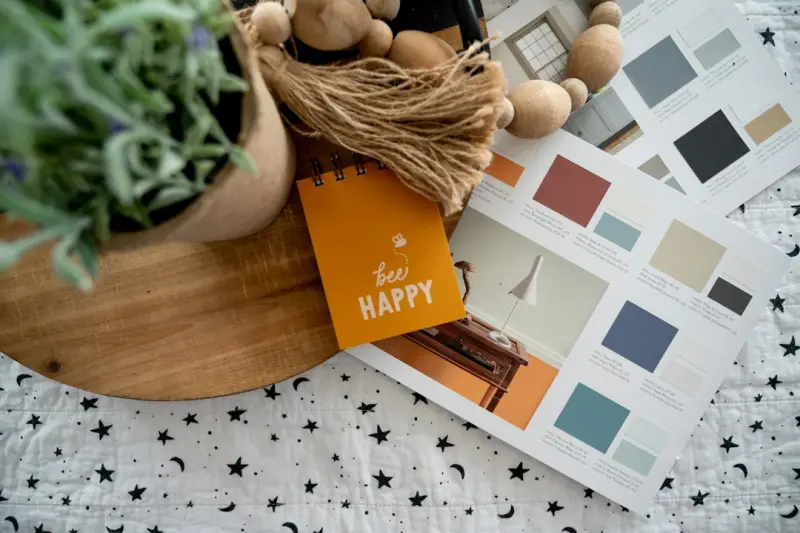
Seasonal Home Refresh: A Holistic Checklist for a Healthier, Brighter Space
A step‑by‑step seasonal checklist that covers air quality, natural lighting, storage, textiles, ... Read More
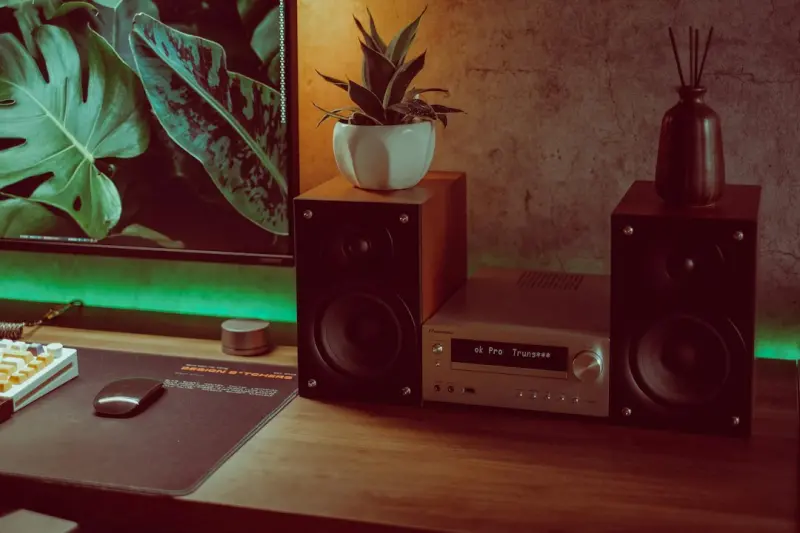
Create a Quiet Oasis at Home: Sound‑Smart Tips
Learn how to transform every room—living area, kitchen, bedroom, and bathroom—into a peaceful sa... Read More
Top Posts

Illuminate Your Home: A Practical Guide to Light‑Crafted Living
Discover a step‑by‑step guide to mastering natural and artificial light at home, from auditing fixtures to smart automation, and create a space that nurture...Read More

Vertical Gardens: Transforming Small Spaces into Lush Living Walls
Learn step‑by‑step how to create a living wall in compact spaces—covering plant selection, DIY frame building, smart irrigation, and stylish integration f...Read More

Forest Immersion: A Practical Guide to Boosting Health and Focus
Explore the physiological, cognitive, and emotional advantages of forest immersion and get practical tips to incorporate nature’s restorative power into your ...Read More

AI‑Powered Microlearning: The Silent Catalyst for Continuous Enterprise Growth
AI‑powered microlearning delivers bite‑sized, context‑aware training that adapts to each employee’s needs, driving faster skill acquisition, higher rete...Read More
0 Comments
Post Comment
You will need to Login or Register to comment on this post!