
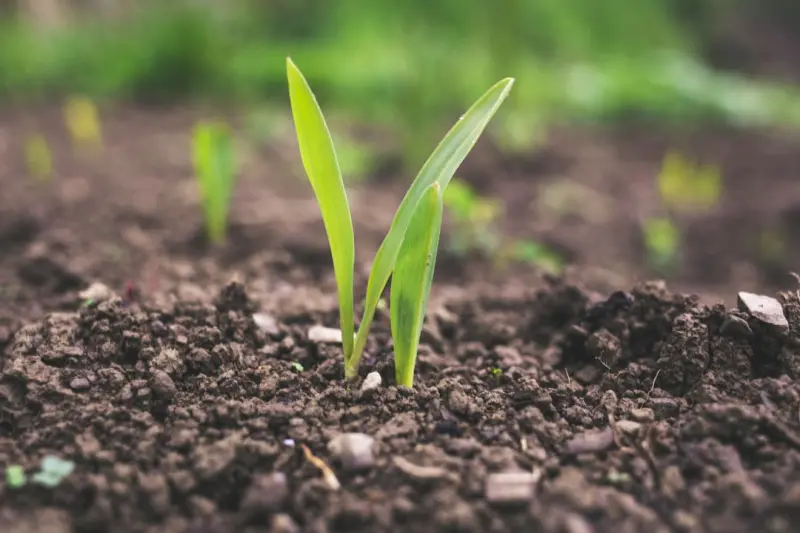
Digging Deeper: Turning Your Yard into a Living Laboratory
When I first inherited the modest backyard behind my suburban home, I saw it as a blank canvas—one that had been left to the mercy of weeds, an occasional sprinkler, and the occasional lazy summer BBQ. I didn’t want another cookie‑cutter lawn; I wanted a space that could teach me something new every season, a place where curiosity grew alongside the carrots. That’s how the idea of a living laboratory was born.
Unlike a polished garden showpiece, a living laboratory is messy, experimental, and unapologetically scientific. It invites you to ask questions, test hypotheses, and watch the results unfold in real time. Below, I’ll walk you through the mindset shift, the essential tools, and a step‑by‑step plan to transform any yard—no matter how humble—into a thriving research hub for soil, plants, and even your own well‑being.
1. Adopt the Scientist’s Mindset
Before you even break ground, you need to adopt a curiosity‑first approach. Think of yourself less as a landscaper and more as an amateur ecologist. Here are three mental habits that set the tone:
- Ask “Why?” constantly. Why does a particular spot stay soggy after rain? Why do certain herbs thrive while others languish?
- Document everything. A notebook (or a digital note‑taking app) becomes your lab journal. Record dates, weather conditions, soil amendments, and plant performance.
- Embrace failure. Not every experiment will succeed, and that’s the point. Each setback tells you something valuable about the micro‑environment you’re working with.
In practice, this mindset translates into simple actions. For example, I started mapping my yard’s micro‑climates with a cheap infrared thermometer and a notebook. One corner, shaded by a mature oak, stayed 5‑7°F cooler than the sun‑baked patch near the driveway. Knowing that, I could match shade‑loving ferns to that cooler zone and reserve the sunnier spot for heat‑tolerant tomatoes.
2. Get to Know Your Soil (Your Yard’s Hidden Engine)
Soil is often the unsung hero of any garden. It’s a complex ecosystem of minerals, organic matter, microbes, and tiny fauna. To turn your yard into a lab, you must first become a soil detective.
Step 1: Simple Soil Test. Grab a handful of soil from three different locations—front, back, and the middle. Place each sample in a clear jar, add water, and shake vigorously. Let it settle for a minute. You’ll see layers of sand, silt, and clay. This visual cue tells you about texture, which influences drainage and nutrient retention.
Step 2: pH Check. A cheap pH test kit (available at garden centers) costs less than $10 and gives instant feedback. Most vegetables prefer a slightly acidic to neutral range (6.0–7.0). If yours is too acidic, lime can raise the pH; if too alkaline, elemental sulfur can bring it down.
Step 3: Biological Health. The presence of earthworms, springtails, and even a faint earthy smell indicates a thriving microbial community. To boost this, incorporate compost or well‑rotted manure, and avoid over‑tilling, which disrupts fungal networks.
By establishing a baseline, you can design experiments such as “What happens when I add a 2‑inch layer of compost to the south‑west quadrant?” and compare the growth of beans in that patch versus a control area.
3. Design Modular Experiment Plots
Instead of a single, monolithic garden bed, break the space into modular plots—each a mini‑lab. I like to use raised wooden frames (12″×12″) or even repurposed pallets. The benefits are twofold:
- Isolation. Variables can be controlled more precisely when each plot is separate.
- Mobility. If an experiment fails, you can easily relocate the entire plot.
Label each plot with a waterproof tag: “Plot A – Basil, 1 tsp compost, 0.5 tsp bone meal.” This not only keeps you organized but also mirrors professional research protocols.
4. Choose Experiments That Matter to You
What you study should align with your lifestyle, culinary preferences, or even your curiosity about climate adaptation. Below are a few starter ideas that have worked wonders in my own yard:
- Water Efficiency Test: Compare a drip‑irrigation line with a traditional sprinkler in two identical plots. Measure water usage with a simple flow meter and track plant health.
- Companion Planting Trials: Plant marigolds alongside tomatoes in one plot, and basil with tomatoes in another. Observe differences in pest pressure and yield.
- Native vs. Non‑Native Species: Plant a native prairie mix in one corner and an ornamental flower bed in another. Over a season, compare maintenance needs and biodiversity (look for pollinators).
Remember to keep the number of variables low per experiment. Changing too many factors at once makes it impossible to attribute results.
5. Harness Low‑Tech Data Collection
You don’t need a fancy sensor network to collect meaningful data. Here are three low‑tech tools that fit seamlessly into a home garden lab:
- Rain Gauge. A simple graduated cylinder placed in an open area tells you exactly how much precipitation you receive.
- Soil Moisture Probe. Handheld probes (often sold for under $15) let you gauge moisture at different depths.
- Growth Ruler. Mark a stake with weekly measurements for each plant. Photograph the stake from the same angle each week for a visual growth chart.
By logging these numbers in a spreadsheet, you’ll begin to see patterns emerge—like the correlation between early‑season rainfall and lettuce yield.
6. Integrate Technology Wisely (When It Helps)
While the core of a living laboratory is hands‑on, certain tech tools can amplify your insights. For example, I use a free online weather service to pull historical temperature data for my zip code, then overlay that with my plant growth charts. This helps me predict how a late‑season frost might impact my winter kale experiment.
Even better, you can automate simple notifications. A basic automation script can email you when soil moisture falls below a threshold, prompting an irrigation event.
7. Share Your Findings (And Invite Collaboration)
One of the most rewarding aspects of a garden lab is the conversation it sparks. When neighbors see you labeling plots and taking measurements, curiosity follows. Invite them to join a “Garden Science Club” where each member contributes a hypothesis and a small plot. You’ll not only expand the pool of data but also foster a community of backyard researchers.
If you’re part of an online forum or a local horticultural society, consider publishing a brief report of your results. Use clear graphics—bar charts for yield comparisons, line graphs for moisture trends. You’ll be surprised how many hobbyists appreciate a data‑driven approach to gardening.
8. Celebrate the Unexpected Wins
In any scientific pursuit, serendipity plays a huge role. Last spring, I planted a batch of “unknown” seeds from a local seed swap. One sprouted into a striking, lavender‑scented plant that turned out to be a rare species of lavender native to our region. Not only did it attract pollinators, but it also became a fragrant centerpiece for my patio.
These happy accidents remind us that the living lab is not just about controlled experiments—it’s also about the joy of discovery. Keep a small “wild card” plot where you sow random mixes or let nature take its course. You might uncover a new favorite herb or a plant that thrives where others fail.
9. Sustainability: Closing the Loop
As your garden lab matures, look for ways to close nutrient loops. Compost the plant trimmings, use the resulting humus to enrich new plots, and capture rainwater for irrigation. Even the spent coffee grounds from your morning brew can be mixed into the soil to improve texture and provide nitrogen.
By treating waste as a resource, you reinforce the laboratory’s ethos: everything is data, everything is material, and everything can be repurposed.
10. From Lab to Table: Translating Findings into Everyday Life
All the data you collect should ultimately serve a purpose beyond the garden fence. Did your water‑efficiency trial reveal a 30% reduction in usage? Adjust your household watering schedule accordingly. Did companion planting boost tomato yield? Incorporate more of those pairings into your kitchen garden.
When you sit down to a salad made from lettuce that grew in a plot you meticulously monitored, the satisfaction goes beyond flavor—it’s a tangible reminder of your curiosity, perseverance, and scientific rigor.
Turning your yard into a living laboratory is an ongoing adventure. It blends the tactile pleasure of gardening with the intellectual thrill of experimentation. Whether you’re a seasoned horticulturist or a complete novice, the process invites you to ask questions, test answers, and grow—both plants and knowledge—together.
So grab a spade, a notebook, and a dash of curiosity. Your backyard is waiting to become the most exciting classroom you’ve ever set foot in.

Paul Flynn is a versatile freelance writer equipped with a diverse skillset and a portfolio that reflects his wide-ranging interests and expertise. From crafting compelling website copy and engaging blog posts to delivering in-depth articles and meticulously researched reports, Flynn demonstrates a remarkable ability to adapt his writing style to suit various audiences and purposes.
Related Posts

Edible Landscaping: Designing a Garden That Feeds the Soul and the Stomach
Discover the art of edible landscaping—combining visual appeal, sustainable food production, and t... Read More
Designing a Nighttime Garden: Light, Texture, and Tranquil Evenings
Discover how to craft a captivating nighttime garden using thoughtful lighting, reflective elements,... Read More

Creating a Backyard Fire Pit Lounge: Design, Safety, and Atmosphere
Discover step‑by‑step design, safety, and styling tips to turn any yard into a welcoming fire‑... Read More
Top Posts
The Personal Care Toolkit: Tiny Rituals for Big Confidence
Learn to turn everyday grooming into a mini‑adventure with multisensory tools, sustainable swaps, and micro‑movements that elevate mood, focus, and skin hea...Read More

AI‑Enhanced Habit Stacking: Supercharging Your Daily Routines
Learn how AI can intelligently combine tiny habits into a seamless stack, turning everyday routines into powerful productivity gains without overwhelming effort...Read More
Low‑Maintenance Luxe: Designing a Native Garden That Thrives With Minimal Effort
Learn the secrets to a low‑maintenance luxury garden using native plants, smart irrigation, and upcycled hardscape for year‑round beauty with almost no effo...Read More

Urban Vertical Gardens: Growing Lush Green Walls in Small Spaces
Learn to turn any wall, balcony, or railing into a thriving vertical garden. Space‑saving strategies, plant selections, and design tricks help city dwellers b...Read More
0 Comments
Post Comment
You will need to Login or Register to comment on this post!