
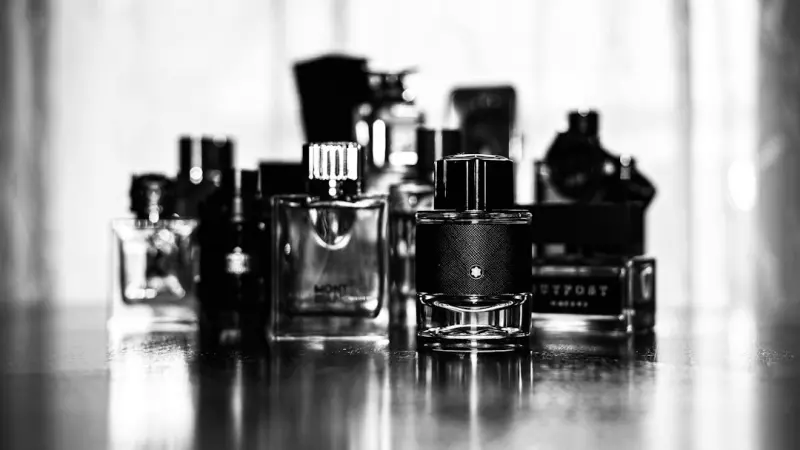
Why Scent Matters More Than You Think
When I first moved into my downtown loft, the first thing I noticed wasn’t the view or the high ceilings—it was the lingering, almost imperceptible, smell of paint and fresh concrete. It reminded me of a blank canvas, full of potential but also a little sterile. That early experience taught me a simple truth: scent is the silent storyteller of a home. It can whisper calm, spark joy, or even nudge us toward productivity without us realizing it.
From “What’s That Smell?” to “I Love This Aroma”
Most of us think of fragrance as a luxury—candles on the mantle, a spritz of perfume, or the occasional potpourri bowl. Yet, the science behind olfactory cues shows they’re deeply wired into our limbic system, the part of the brain that handles emotion and memory. A single whiff of citrus can invigorate, while lavender can gently lull the nervous system into a state of relaxation. The key is intentionality: choosing scents that align with the mood you want to cultivate in each room.
Mapping Your Home’s Scent Zones
Just as a designer sketches a floor plan, I like to map out scent zones—areas where specific aromas support the primary activity of the space.
- Entrance & Hallway: A light, welcoming fragrance like bergamot or eucalyptus clears the mind and sets a friendly tone for guests.
- Home Office: Peppermint or rosemary can sharpen focus and help you power through those deep‑work sessions.
- Living Room: Warm, grounding scents such as sandalwood or vanilla create a cozy backdrop for conversations and relaxation.
- Bedroom: Soft, sleep‑inducing aromas—lavender, chamomile, or a hint of jasmine—signal to your body that it’s time to unwind.
- Bathroom: Fresh, clean notes like tea tree or cucumber keep the space feeling hygienic and revitalizing.
When you align fragrance with function, you turn ordinary rooms into purposeful environments.
Choosing the Right Delivery Method
There’s no one‑size‑fits‑all when it comes to dispersing scent. Below are my go‑to methods, each with its own set of advantages.
1. Natural Essential Oil Diffusers
Ultrasonic diffusers use water to gently vaporize essential oils, creating a fine mist that adds humidity to the air—a double win in drier climates. I love pairing them with natural light in my reading nook; the sunlight amplifies the uplifting effect of citrus blends.
2. Reed Diffusers
Reed diffusers are low‑maintenance and perfect for areas where you don’t want a humming device. Choose a carrier oil that matches the scent intensity you desire. For a subtle, long‑lasting aroma in the hallway, I use a blend of cedarwood and amber.
3. Scented Candles
Nothing beats the flicker of a candle for ambiance. When selecting, prioritize soy or beeswax candles with cotton wicks to minimize soot. I keep a small collection of hand‑poured candles on my coffee table, rotating scents seasonally.
4. DIY Potpourri & Simmer Pots
For a budget‑friendly, chemical‑free option, simmer water with slices of orange, cinnamon sticks, and a few drops of clove oil on the stovetop. This technique not only fills the kitchen with a comforting aroma but also doubles as a natural humidifier.
5. Smart Scent Devices
Technology has entered the fragrance game. Smart scent diffusers can be programmed via an app, allowing you to schedule fragrance changes based on time of day or even integrate with your home automation system. Imagine your bedroom automatically releasing lavender at 10 p.m., cueing your body for sleep.
Creating a Personal Recharge Nook with Scent
If you’ve ever read about a personal recharge nook, you know the power of a dedicated space for mental reset. Adding scent takes that concept a step further. I transformed a corner by the window into a “scent sanctuary”: a plush floor cushion, a small bookshelf, and a discreet ultrasonic diffuser emitting a blend of eucalyptus and spearmint. The result? A mini‑retreat where I can read, meditate, or simply breathe deeply during a busy day.
Seasonal Scent Rotations: Keeping Your Home Fresh Year‑Round
Just as we change our wardrobe with the seasons, our home fragrance palette can evolve too. Here’s a quick guide:
- Spring: Fresh greens, lilac, and light citrus.
- Summer: Tropical fruits, sea breeze, and cool mint.
- Fall: Warm spices like cinnamon, clove, and nutmeg.
- Winter: Deep woods, amber, and comforting vanilla.
Rotating scents not only prevents olfactory fatigue but also mirrors the natural rhythms outside, helping you stay attuned to the world’s cycles.
Mindful Sourcing: Sustainable Fragrance Choices
In my pursuit of a fragrant home, I also consider the environmental impact of the products I use. Look for:
- Ethically sourced essential oils: Brands that practice fair trade and avoid over‑harvesting.
- Reusable containers: Glass bottles and metal diffusers that reduce plastic waste.
- Organic, non‑synthetic fragrances: These tend to be gentler on indoor air quality.
By choosing responsibly, you ensure that your scent journey benefits both your wellbeing and the planet.
Balancing Scent with Air Quality
While fragrance can elevate mood, it’s crucial to maintain healthy indoor air. Overuse of synthetic sprays can lead to headaches or allergies. I recommend the following practices:
- Ventilate rooms for 10‑15 minutes after using strong scented candles.
- Use a high‑efficiency air purifier, especially in spaces where you burn incense or scented oils.
- Alternate scented areas with “scent‑free” zones to give your nose a break.
DIY Scent Projects for the Hands‑On Homeowner
Nothing feels more personal than a scent you created yourself. Here are two of my favorite projects:
Homemade Aromatic Sachets
Materials: small muslin bags, dried lavender, rose petals, and a few drops of vanilla essential oil. Toss the dried botanicals into the bag, add the oil, seal, and place them in drawers or closets. They keep fabrics smelling fresh and act as natural deodorizers.
Essential Oil Spray Bottle
Combine 1 cup distilled water, 1 tablespoon witch hazel, and 15‑20 drops of your favorite essential oil blend. Shake before each use and spritz lightly on linens, upholstery, or even your pillowcase before bedtime.
Integrating Scent with Other Home‑Improvement Trends
While scent stands on its own, it pairs beautifully with other popular home‑improvement ideas. For instance, if you’re already bringing the outdoors inside with a window garden, consider adding a subtle earthy scent like patchouli or petrichor to complement the greenery. Or, if you’ve recently upgraded your lighting, experiment with scented LED bulbs that release fragrance as they glow.
Common Mistakes and How to Avoid Them
Even fragrance enthusiasts can slip up. Here are pitfalls I’ve encountered and the fixes I’ve applied:
- Overwhelming intensity: Start with a low dosage and increase gradually. It’s easier to add more scent than to tone it down.
- Mixing clashing aromas: Stick to complementary families—citrus with herbaceous, or woods with soft florals. Avoid pairing strong spices with delicate florals.
- Ignoring personal sensitivities: Conduct a patch test for essential oils on skin before diffusing them widely. If anyone in the household has asthma, opt for milder scents.
Measuring Success: How Do You Know It’s Working?
Beyond the obvious “it smells good,” pay attention to subtle cues:
- Improved sleep quality when using calming bedroom scents.
- Higher energy levels or better focus after introducing invigorating aromas in work areas.
- Positive feedback from guests who comment on the pleasant atmosphere.
When these signs appear, you know your scent strategy is delivering the intended benefits.
Final Thoughts: Make Your Home a Symphony of Scent
Creating a fragrance‑rich environment isn’t about filling every corner with perfume; it’s about curating a thoughtful, layered experience that supports the way you live. By mapping scent zones, selecting the right delivery methods, rotating seasonally, and staying mindful of sustainability, you can turn your home into a subtle yet powerful ally for wellbeing.
Next time you light a candle or set a diffuser, pause for a moment. Imagine the mood you want to nurture, the memory you hope to anchor, and let the aroma do the rest. Your home already has a story—now give it a scent.

Karen Edwards is a seasoned freelance writer with a passion for all things furry, feathered, and scaled. With a dedicated focus on pets, she brings a wealth of knowledge and a keen eye for detail to her writing.
Related Posts
Quiet Corners: Mastering Home Acoustics for Focus and Relaxation
Discover practical DIY methods to improve your home's sound quality, from soft furnishings to homema... Read More

Revamp Your Home with Low‑Effort, High‑Impact Tweaks
Learn how small, strategic changes—like smarter lighting, sound management, multi‑functional zon... Read More

Smart Home Swaps That Save Money and Reduce Waste
Learn practical, budget‑friendly home upgrades that slash energy costs, conserve water, and turn y... Read More
Top Posts

Edible Landscaping: How to Grow a Beautiful, Productive Garden That Feeds Your Table
A fresh look at turning your outdoor space into a thriving edible landscape that’s as stunning as it is sustainable....Read More

Why Outdoor Workspaces Are the Next Big Thing for Employees
Explore the rise of garden desks and outdoor offices, the data behind their benefits, and how embracing nature at work can transform your career and well‑bein...Read More

Why Laughter Is the Unexpected Prescription for Modern Stress
Laughter isn’t just a mood booster; it’s a powerful health tool. This article dives into the neuroscience, physical benefits, and practical ways to incorpor...Read More

Strategic Sabbaticals: Turning Career Breaks into a Competitive Advantage
A well‑designed sabbatical program offers more than a vacation; it’s a strategic tool that enhances retention, fuels innovation, and supports employee wellâ...Read More
0 Comments
Post Comment
You will need to Login or Register to comment on this post!