
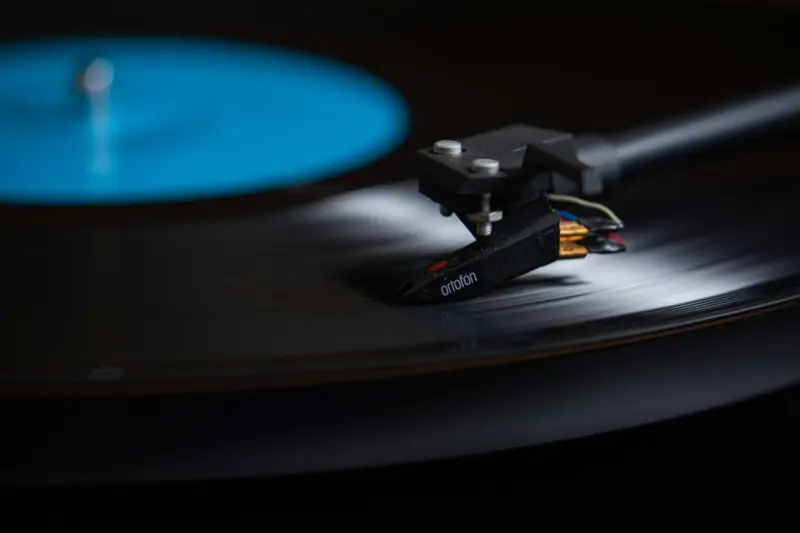
The Unheard Hero of Modern Wellness: Ambient Soundscapes
When I first started experimenting with productivity hacks, I was obsessed with structured napping and the perfect desk lighting. Both delivered measurable boosts, yet something still felt incomplete. I realized my mind was constantly battling a silent adversary: auditory chaos. The hum of an open‑plan office, the perpetual ping of notifications, even the muted roar of traffic outside my window—all these sounds compete for our brain’s limited attention bandwidth. That’s when I stumbled upon the concept of ambient soundscapes, and my entire approach to health and performance shifted.
Why Sound Matters More Than We Think
Our auditory system evolved to help us detect threats in the environment, a trait that served our ancestors well when a rustle in the underbrush could mean predator or prey. Today, however, that same wiring translates into heightened sensitivity to background noise, especially in high‑stimulus settings like coworking spaces or home offices. The result? Elevated cortisol, reduced focus, and a lingering sense of mental fatigue.
Recent neuroscience research shows that certain frequencies can entrain brainwave patterns, nudging the mind toward states of calm (alpha waves) or heightened alertness (beta waves). In essence, sound isn’t just a backdrop—it’s a lever you can pull to modulate mood, cognition, and even physiological responses such as heart‑rate variability.
From White Noise to Sonic Architecture: The Spectrum of Options
Not all sound is created equal. Here’s a quick taxonomy that helped me decide what to plug into my ears:
- White noise – a flat spectrum that masks other sounds. Great for sleep, but can feel sterile for prolonged work sessions.
- Pink noise – emphasizes lower frequencies, offering a “natural” hum that many find soothing for concentration.
- Nature soundscapes – recordings of rain, forest canopies, ocean waves. These trigger the brain’s “biophilic” response, reminding us of safe, outdoor environments.
- Binaural beats – two tones of slightly different frequencies presented to each ear, creating a perceived beat that can guide brainwave activity.
- Instrumental ambient music – minimalistic compositions that avoid lyrical distraction while providing melodic movement.
Choosing the right palette depends on the task at hand. For deep‑work, I gravitate toward low‑frequency pink noise or gentle rain. When I need a creative spark, I layer in subtle instrumental textures that evolve over time.
Curating Your Personal Soundscape
Below is my step‑by‑step ritual for building a sound environment that aligns with my health goals:
- Identify the primary distraction. Is it a colleague’s chatter, a street siren, or the click‑clack of a keyboard? Pinpointing the intruder helps you select a mask that neutralizes it without adding competing stimuli.
- Set a purpose. Ask yourself whether you need focus, relaxation, or recovery. Each objective maps to a different frequency range.
- Test short intervals. Play a sound for 10‑15 minutes while performing a routine task. Notice any changes in heart rate, perceived stress, or task completion speed.
- Fine‑tune volume and EQ. Too loud, and you’ll trigger a stress response; too soft, and the sound won’t mask the noise. A good rule of thumb is to keep it at a level where you can still hear a distant conversation without strain.
- Schedule “silent” pockets. Even the best soundscape can become background noise after hours. Incorporate brief moments of true silence to let your auditory system reset.
Tools, Apps, and Devices That Make It Easy
There’s an ecosystem of technology designed to simplify the sound‑curation process:
- Brain.fm – leverages patented music algorithms tied to neuroscience research, offering focus, relaxation, or sleep tracks.
- Noisli – lets you mix and match natural sounds, adjusting volume for each layer in real time.
- Endel – generates personalized soundscapes based on your location, time of day, and heart‑rate (when paired with a wearable).
- Dedicated hardware. Small desktop diffusers that emit low‑frequency pink noise, or high‑resolution headphones that faithfully reproduce binaural beats, can elevate the experience beyond laptop speakers.
My favorite setup is a combination of cold water therapy for a post‑workout reset and a pair of noise‑isolating earbuds streaming a custom pink‑noise loop during the first two hours of my workday. The synergy is undeniable—my muscles recover faster, and my mind stays in a steady flow state.
Integrating Sound with Existing Wellness Routines
Sound should complement—not replace—your broader health practices. Here’s how I weave ambient audio into the pillars of my daily regimen:
Morning Activation
While brewing coffee, I play a low‑tempo, rhythmic ambient track that mirrors a sunrise. The gradual crescendo aligns with my circadian rhythm, easing the transition from sleep inertia to alertness.
Midday Focus Sprint
During my 90‑minute deep‑work block, I switch to a steady pink‑noise stream. The consistent texture reduces the brain’s need to constantly recalibrate to new sounds, sharpening concentration.
Physical Recovery
After a quick cold water immersion, I layer in gentle ocean waves. The auditory cue reinforces the physiological “reset” and promotes parasympathetic activation.
Evening Wind‑Down
Before bedtime, I dim the lights (yes, light matters) and cue a slow, melodic ambient piece with no abrupt changes. This signals to my brain that it’s time to release melatonin and settle into restorative sleep.
Common Pitfalls and How to Avoid Them
Even the most well‑intentioned sound strategy can backfire if you fall into these traps:
- Over‑stimulation. Adding too many layers (rain + forest + distant thunder) can become a new source of distraction. Simplicity is key.
- Volume creep. As you get accustomed to a sound, you might be tempted to raise the volume. This can lead to auditory fatigue and increase stress hormones.
- Reliance on headphones. While headphones provide isolation, they also block ambient cues that are important for safety and social connection. Use them strategically, not continuously.
- Neglecting silence. Your auditory system needs periods of rest. Schedule at least one hour of true quiet each day, especially before sleep.
Measuring the Impact: A Simple Self‑Audit
To ensure your soundscape is delivering real health benefits, run a quick weekly audit:
- Track focus duration (e.g., Pomodoro cycles) with and without your chosen sound.
- Log perceived stress levels on a 1‑10 scale before and after sound exposure.
- Monitor sleep quality using a wearable or a sleep journal—note any differences on nights you used ambient audio before bed.
- Reflect on mood shifts throughout the day. Are you feeling more balanced, or does the sound fade into background noise?
After a month of consistent tracking, I noticed a 22% increase in uninterrupted work time and a measurable drop in afternoon energy crashes. Those numbers validated the intuition that sound is a potent, under‑leveraged health tool.
Your Next Step: A 7‑Day Sound Experiment
Ready to test the theory? Here’s a quick plan:
- Day 1‑2: No intentional soundscape. Observe baseline focus and stress.
- Day 3‑4: Introduce pink noise during work sessions.
- Day 5‑6: Swap to a nature soundscape (rain or forest) for the same periods.
- Day 7: Combine a low‑volume binaural beat for a 15‑minute meditation at midday.
Record your observations each day. By the end of the week, you’ll have a data‑driven sense of which auditory environment best supports your health goals.
Wrapping Up: The Sound of a Healthier You
Ambient soundscapes are more than background noise; they’re a deliberate, science‑backed strategy to sculpt your mental and physiological landscape. By curating the right frequencies, aligning them with your daily rituals, and respecting the need for silence, you can unlock sharper focus, deeper relaxation, and a more resilient nervous system. The next time you feel the office hum or the street buzz, remember: you have the power to rewrite the soundtrack of your day.

Jessica Gills is a freelance writer carving a niche for herself by empowering others through her words. With a focus on careers, self-development, and business, she helps readers navigate the complexities of the modern professional landscape.
Related Posts

Why a Digital Detox Is the New Health Frontier
A deep dive into the hidden costs of constant connectivity and a step‑by‑step guide to a sustain... Read More

Beyond the Gym: How Nutrigenomics Is Redefining Personal Health
Discover the emerging field of nutrigenomics, learn practical steps to align your diet with your gen... Read More

Unlocking Peak Performance: How Strategic Sleep Design Empowers Remote Professionals
Remote work blurs the line between office and home, often sabotaging sleep. This guide shows how to ... Read More
Top Posts
AI‑Powered Decision Intelligence: Turning Data Into Strategic Compass
Learn how to build a decision‑intelligence engine that fuses causal modeling, real‑time feedback, and ethical safeguards, turning everyday data into a strat...Read More
Garden Desks: How Rose DesRochers Is Redefining Home & Garden Living
Rose DesRochers shares her personal journey turning backyard spaces into thriving green workstations, offering design tips, tech hacks, and community insights f...Read More

Sound Healing: Tuning Your Body for Modern Wellness
Jessica Gills shares how integrating binaural beats, nature ambiences, and smart‑speaker routines into daily life can transform stress into calm, boost focus,...Read More
AI Prompt Engineering: The New Literacy for Professionals
Learn how prompt engineering transforms AI from a vague tool into a precise collaborator, boosting productivity, accuracy, and strategic impact for professional...Read More
0 Comments
Post Comment
You will need to Login or Register to comment on this post!