
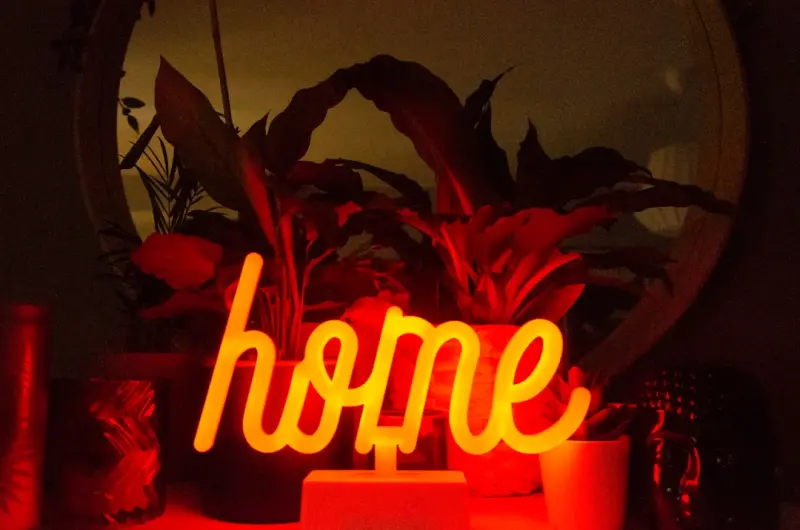
Why Light Matters More Than You Think
When I first moved into my modest two‑bedroom apartment, the biggest thing that caught my eye wasn’t the floor plan or the closet space – it was the way the light filtered through the windows at different times of day. Over the years I’ve learned that lighting is the silent conductor of a home’s rhythm, influencing mood, productivity, and even the electric bill. In this post I’m sharing the practical, low‑tech hacks that have turned my living room into a cozy reading nook, my kitchen into a bright prep zone, and my home office into a focus‑friendly arena – all without breaking the bank.
1. Map Your Home’s Light Zones
Before you start buying new bulbs or hanging fixtures, take a quick walk through each room and ask three questions:
- What activity dominates this space? (e.g., cooking, reading, working, relaxing)
- When do you use it most? (morning, afternoon, evening)
- What’s the current light quality? (harsh, dim, uneven)
This simple audit reveals where you need bright, task‑oriented light versus where you’d benefit from softer, ambient illumination. It also helps you avoid the common mistake of “one‑size‑fits‑all” lighting, which can leave a bedroom feeling like a fluorescent office or a study area looking like a dim movie theater.
2. Harness Natural Light Like a Pro
Natural light is free, mood‑boosting, and energy‑saving. Here’s how to make the most of it:
- Strategic window treatments. Opt for sheer curtains that diffuse harsh midday sun while still letting the glow in. Heavy blackout drapes belong only in bedrooms where sleep is a priority.
- Reflective surfaces. Light-colored walls, mirrored décor, or a glossy tabletop bounce sunlight deeper into a room, reducing the need for artificial sources.
- Seasonal positioning. In winter, keep window sills clear of clutter to allow low‑angle sunlight to reach the floor. In summer, use exterior awnings or plant tall shrubs to filter the strongest rays.
When you pair these tactics with a well‑chosen functional focus zone in your workspace, you’ll notice a lift in concentration without a single watt of electricity.
3. Choose the Right Bulb for Every Task
The market is flooded with LED, CFL, halogen, and “smart” bulbs, each boasting different color temperatures measured in Kelvins (K). Here’s a quick cheat‑sheet:
- 2700K–3000K (Warm White). Ideal for living rooms, bedrooms, and any space where you want to unwind. It mimics the golden glow of sunrise and promotes relaxation.
- 3500K–4100K (Neutral White). Perfect for kitchens and bathrooms where clarity matters but you don’t want a stark hospital feel.
- 5000K–6500K (Daylight). Best for home offices, craft tables, or reading nooks where focus and accuracy are key.
Switching to LEDs across the board can cut your lighting energy use by up to 80% compared to incandescent bulbs. Plus, modern LEDs are dimmable and last for years, meaning fewer replacements and less waste.
4. Layer Lighting for Flexibility
Think of lighting as a three‑part sandwich:
- Ambient lighting. This is the base layer – overhead fixtures, recessed lights, or a central chandelier that provides overall illumination.
- Task lighting. The filling – desk lamps, under‑cabinet lights, or adjustable floor lamps that illuminate specific activities.
- Accent lighting. The topping – LED strips behind shelving, picture lights, or candles that add depth and visual interest.
By combining these layers, you can easily shift from a bright, energetic kitchen during dinner prep to a soft, cozy lounge for movie night with just a few switches or a voice command.
5. Dimming Controls: Your New Best Friend
Installing dimmer switches (or smart dimmers) is one of the most cost‑effective upgrades you can make. Dimming lights by 20% can save up to 30% on energy consumption for that fixture. Moreover, lower light levels in the evening help signal your body’s melatonin production, supporting a healthier sleep cycle – a subtle nod to the circadian‑aligned routine many of us chase.
6. Smart Lighting on a Budget
If the idea of a fully automated home feels intimidating, start small:
- Replace a single bedside lamp with a Wi‑Fi‑enabled bulb that you can schedule to dim gradually as you wind down.
- Use a smart plug to control a floor lamp in the living room, syncing it with your favorite music playlist for a “party mode” without needing a pricey hub.
- Take advantage of free smartphone apps that let you set “wake‑up” scenes – a soft sunrise simulation that gradually brightens your bedroom at a pre‑set time.
These incremental steps provide many of the comfort benefits of a fully integrated system without the upfront expense.
7. Light, Color, and Mood
Beyond brightness, the hue of your light can affect emotional states. Warm lights can make a dining area feel intimate, while cooler tones can energize a workout space. If you love experimenting, try a color‑changing LED strip behind kitchen cabinets. Not only does it add a playful visual cue, but it also helps you see food colors more clearly, subtly encouraging healthier cooking choices.
8. Energy‑Saving Habits That Pair With Good Lighting
Even the smartest lighting system won’t offset wasteful habits. Here are three simple practices:
- Turn off lights at the source. Use wall switches instead of unplugging lamps – it’s easier and cuts phantom loads.
- Leverage motion sensors. Install a sensor in closets, laundry rooms, or hallways to ensure lights only stay on when needed.
- Combine daylight with artificial light. During bright mornings, keep blinds open and dim indoor fixtures. In the evening, let the ambient lights set a calm tone while task lights stay focused.
9. The DIY Light Upgrade Checklist
If you’re ready to roll up your sleeves, here’s a quick step‑by‑step guide:
- Audit your fixtures. List every lamp, ceiling light, and plug‑in bulb.
- Pick replacement bulbs. Choose the appropriate Kelvin rating and ensure they’re dimmable if you plan to install a dimmer.
- Gather tools. Screwdriver, ladder (if needed), and a voltage tester for safety.
- Install dimmers. Turn off the circuit breaker, remove the old switch, connect the new dimmer according to the wiring diagram, and test.
- Swap bulbs. Replace each old bulb with the new LED, matching the fixture type (e.g., A‑shape, globe, MR16).
- Program smart features. Use the manufacturer’s app to set schedules, scenes, and voice commands.
Even if you’re not comfortable handling electricity, most hardware stores offer free installation for a modest fee, making the upgrade a low‑risk investment.
10. When Less Is More: Minimalist Light Design
Minimalist doesn’t mean “bare”; it means thoughtful. Choose a few high‑impact fixtures rather than cluttering every corner. A single, well‑placed pendant over a kitchen island can provide both task and ambient light, while a sleek floor lamp in the reading corner adds warmth without overwhelming the space.
By reducing the number of fixtures, you also simplify maintenance and lower the chance of dead bulbs haunting you at the worst possible moment.
Conclusion: Light As Your Home’s Unsung Hero
Lighting is a powerful, often overlooked tool for shaping how we feel, work, and save money at home. By mapping light zones, embracing natural daylight, picking the right bulbs, layering illumination, and adding smart dimmers, you can transform any space into a well‑orchestrated environment that supports your daily rhythm. The best part? Most of these changes require minimal investment, and the payoff—both in comfort and energy savings—is immediate.
So the next time you walk into a room, pause for a moment. Ask yourself: Is this light serving the activity I’m about to do? If the answer is no, you now have a toolbox of simple, actionable steps to bring the perfect glow into your life.

Jody Henderson is a passionate freelance writer, driven by a love for storytelling and a keen eye for detail. With a versatile skillset, she crafts compelling content across a variety of niches, from engaging blog posts to informative articles and persuasive marketing copy.
Related Posts

The Secret Power of Ambient Light: Turning Your Home Into a Wellness Engine
Learn practical, budget‑friendly strategies to map light zones, choose smart fixtures, and integra... Read More
Creating a Multi‑Sensory Sanctuary at Home: Sound, Light, and Touch Strategies
Learn how to turn any room into a multi‑sensory sanctuary using sound‑absorbing rugs, layered li... Read More

The Secret to a Clutter‑Free Kitchen That Saves Time and Money
A step‑by‑step guide to transforming chaotic kitchen drawers into efficient, stress‑free space... Read More
Top Posts
Smart Home Hacks for a Greener, More Efficient Household
Learn how simple automations, data visibility, and smart habits can transform any home into an energy‑saving, low‑stress sanctuary, using affordable tools a...Read More
Why Garden Desks Are Redefining the Modern Employee Experience
Explore how garden desks transform workspaces, boost focus, and future‑proof careers by blending productivity with the outdoors....Read More

Unlocking Health: The Transformative Power of Simple Breathwork
Explore practical breathing methods that lower cortisol, support gut health, and enhance immune function—simple tools for daily resilience and lasting wellnes...Read More

Strategic Sabbaticals: Turning Time Off into a Career Accelerator
Learn how to turn vacation days into a career boost by aligning sabbaticals with skill development, lateral moves, and proven ROI strategies....Read More
0 Comments
Post Comment
You will need to Login or Register to comment on this post!