
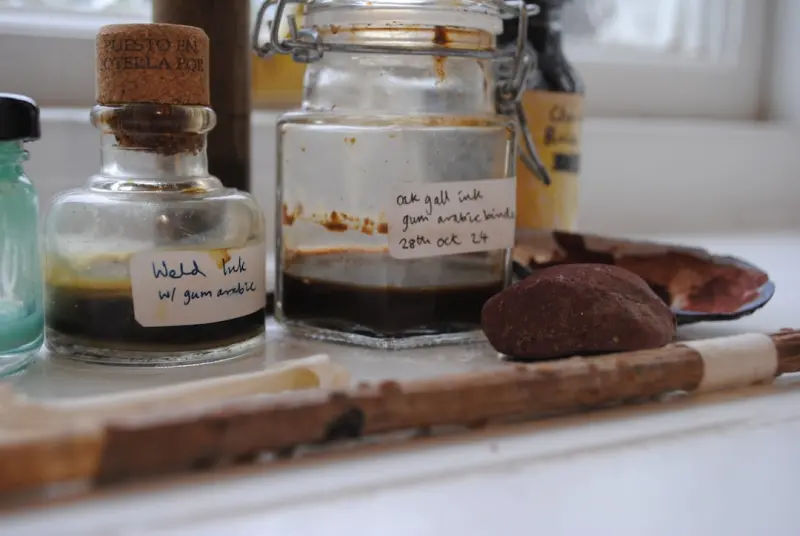
When I first moved into my downtown loft, I fell in love with the high ceilings, the exposed brick, and the flood of natural light. But after a few weeks, the stale, almost metallic smell of the space started to creep in, especially after a rainy evening. I realized I’d been overlooking one of the most essential components of a truly comfortable home: the air we breathe.
Why Air Quality Matters (Even If You Can’t See It)
Good indoor air quality isn’t just a fancy wellness buzzword; it’s the foundation of health, productivity, and even mood. Studies show that pollutants like volatile organic compounds (VOCs), dust, and mold spores can trigger headaches, fatigue, and allergies. In a world where we spend an average of 90% of our time indoors, the quality of that air directly influences everything from our sleep cycles to our ability to focus on a work‑from‑home project.
Unlike the flashy smart lighting hacks that transform ambiance with a swipe, improving air quality is a quiet, invisible upgrade that pays dividends every breath you take. The good news? You don’t need a pricey HVAC overhaul or a subscription to a high‑tech air‑purifier brand to make a difference. Simple, natural solutions—plants, fabrics, and a few strategic tweaks—can turn your living space into a breath of fresh air.
Plants That Purify: Nature’s Own Air Filters
When I started my DIY natural air purifier journey, I was overwhelmed by the sheer number of “best indoor plants” lists on the internet. After some trial and error, I narrowed it down to a handful of hardy, low‑maintenance species that actually deliver measurable air‑cleaning benefits.
- Spider Plant (Chlorophytum comosum) – Known for its ability to remove formaldehyde and xylene, this plant thrives in indirect light and can survive occasional forgetful watering.
- Snake Plant (Sansevieria trifasciata) – A champion of night‑time oxygen production, it converts CO₂ into oxygen while you sleep, making it perfect for bedrooms.
- Peace Lily (Spathiphyllum spp.) – Not only does it tackle ammonia, benzene, and formaldehyde, but its glossy leaves also double as a stylish centerpiece.
- Boston Fern (Nephrolepis exaltata) – This moisture‑loving fern excels at removing indoor pollutants like formaldehyde and also adds a lush, tropical vibe.
Place these green allies near sources of indoor pollution: the kitchen island, a home office desk, or the corner of a living‑room that catches traffic from a hallway. A rule of thumb I follow is one plant per 100 square feet for noticeable air‑cleaning effects.
Fabric Filters: DIY Solutions That Blend Function and Style
Plants are fantastic, but they’re not a silver bullet. To catch fine particulates—think pet dander, pollen, and even microscopic dust—I’ve turned to fabric‑based filters you can make yourself. The concept is simple: create a porous barrier that traps particles while allowing air to flow freely.
Here’s a quick rundown of my favorite DIY fabric filter projects:
- Hemp‑Linen Combo Panels – Cut hemp fabric (known for its breathability) to the size of a standard window frame, then layer a thin sheet of linen in front. Secure with wooden slats and you have a washable air filter that also adds texture to the room.
- Charcoal‑Infused Cotton Filters – Mix activated charcoal granules into a cotton batting, then staple the mix into a decorative canvas frame. The charcoal absorbs VOCs, while the cotton catches larger particles.
- Recycled T‑Shirt Air Curtains – Take a collection of old, soft‑cotton T‑shirts, sew them together into a curtain, and hang them in front of a vent. The fabric diffuses drafts and traps dust, and you get a pop of color in the process.
All of these options are budget‑friendly, washable, and adaptable to any décor style—from the minimalist loft to a cozy cottage. Plus, the tactile element adds a subtle, calming visual cue that reminds you to breathe.
Strategic Placement: Where to Position Your Green & Fabric Allies
Even the best plant or filter won’t work its magic if placed in the wrong spot. I’ve mapped out a “clean‑air flow” diagram for my home that mirrors a simple ventilation system:
- Air Intake Zones – Near windows or doors where fresh air enters. Position a tall plant like a snake plant in these zones to capture pollutants as they drift in.
- High‑Traffic Areas – Hallways, open‑plan kitchens, and pet zones. Hang a hemp‑linen panel on the wall opposite the entry point to intercept dust and fur.
- Quiet Retreats – Bedrooms and reading corners. A peace lily on a nightstand not only filters air but also releases a gentle, soothing fragrance.
If you need visual inspiration for a cozy corner, check out the ideas behind creating outdoor reading nooks. The same principles of comfort, natural light, and intentional placement apply indoors when you’re curating an air‑purifying oasis.
Seasonal Adjustments: Tweaking Your Setup Throughout the Year
Air quality isn’t static; it changes with the seasons. During winter, closed windows trap indoor pollutants, while heating systems can circulate dust. In summer, humidity spikes can encourage mold growth. Here’s how I adapt my DIY system:
- Winter – Increase the number of charcoal‑infused filters near heating vents. Keep a small humidifier at 30‑40% humidity to prevent dry air, which aggravates respiratory irritation.
- Spring – Swap in a fresh batch of Boston ferns to combat pollen that sneaks in through open windows. Rotate fabric panels to expose new sides to dust, extending their lifespan.
- Summer – Add a few extra spider plants in rooms that double as home offices, as they thrive in brighter light and help mitigate VOCs from summer cleaning products.
- Fall – Replace any worn‑out fabric filters before the heating season. A quick wash and a fresh sprinkle of activated charcoal keep them efficient.
Budget‑Friendly DIY Projects: From Spare Materials to Stunning Results
One of my favorite aspects of these air‑purifying upgrades is the ability to repurpose items you already own. Below are three projects that cost under $30 each and add both function and flair:
- Upcycled Window Frame Herb Garden – Take an old window frame, line it with hemp fabric, and fill the gaps with soil and herbs like rosemary and mint. The herbs release natural essential oils while the fabric catches dust.
- Fabric‑Wrapped Air Duct Covers – Cover the exposed metal of duct ends with a decorative fabric sleeve. Choose a pattern that matches your décor, and you’ll have a silent, dust‑catching accessory.
- DIY Air‑Purifying Wall Art – Stretch a canvas, glue a thin layer of activated charcoal, then paint over it with a translucent acrylic glaze. Hang it where it doubles as art and a pollutant absorber.
These projects are a perfect way to unlock hidden potential in your home without a major remodel. They also give you a sense of ownership—knowing you crafted the very tools that improve your everyday breathing.
Maintenance: Keeping Your Natural Filters Fresh
Just like any other home system, your DIY air‑purifying solutions need regular upkeep:
- Plant Care – Dust leaves weekly with a soft cloth; this not only keeps them looking glossy but also ensures their pores stay open for maximum gas exchange.
- Fabric Filter Refresh – Wash hemp‑linen panels in cold water, tumble‑dry on low, and re‑activate charcoal inserts by placing them in sunlight for an hour each month.
- Spot Checks – Perform a quick visual inspection of each filter’s surface. If you notice a grayish film, it’s time for a deeper clean or replacement.
Consistency is key. A little time each week—no more than 15 minutes—keeps the system running smoothly and ensures you continue to reap the health benefits.
Beyond the Basics: Pairing Air Quality with Other Home Wellness Practices
When you think about creating a truly healthy home, air quality is just one piece of the puzzle. Pair your natural purifiers with these complementary habits for an all‑around wellness boost:
- Mindful Decluttering – Less clutter means fewer surfaces for dust to settle.
- Regular Vacuuming with HEPA Filters – Capture fine particles before they become airborne.
- Essential Oil Diffusers – Use natural, low‑VOC oils like eucalyptus or lavender to reinforce the clean‑air environment.
By integrating these habits, you’ll notice a cumulative effect: clearer thoughts, better sleep, and a home that feels like a sanctuary rather than a second workplace.
Final Thoughts: Breath as a Design Element
Designing a home isn’t just about aesthetics; it’s about the invisible layers that shape how we feel inside those walls. By treating air quality as a core design element—using plants, fabric filters, and seasonal tweaks—you’re investing in a healthier, more vibrant living experience.
If you’ve ever walked into a room and felt instantly refreshed, you already understand the power of good air. Now, with a few DIY projects and a sprinkling of greenery, you can replicate that feeling in every corner of your home. Happy breathing!

Lauren Miller is a true outdoors enthusiast who has found her passion in the trades. When she's not working hard on the job, you can find her writing, camping, fishing, and exploring all that nature has to offer. A dedicated partner to her wife Beth, Lauren loves nothing more than spending quality time together and experiencing the great outdoors side by side.
Related Posts
How to Build Micro‑Climate Zones in Every Room for Comfort and Savings
Discover practical steps to turn each room into its own comfort zone—using plants, strategic airfl... Read More
Light, Air, and Flow: Reimagining Home Environments for Everyday Energy
Discover practical ways to harness natural light, create purposeful airflow, and design multi‑func... Read More
Bring the Outdoors In: A Guide to Biophilic Home Design
Discover how to infuse natural light, air‑purifying plants, organic textures, and soothing soundsc... Read More
Top Posts

Mental Hygiene: Treat Your Mind Like a Clean House
Learn how to treat your mind like a clean house with the four pillars of mental hygiene—cognitive decluttering, emotional sanitization, social micro‑cleanin...Read More

When AI Becomes Your Personal Curiosity Coach
Learn how a personal AI curiosity coach turns everyday curiosity into actionable insights, fostering deeper learning, cross‑disciplinary collaboration, and su...Read More

Ask First: How Reverse Interviews Flip the Hiring Power Balance
Learn why turning the interview on its head with strategic questions helps you assess company culture, showcase expertise, and make smarter career decisions....Read More

Garden Desks: The Employment Power Play Shaping 2026
In 2026, garden desks have become the go‑to solution for boosting focus, health, and employee satisfaction, turning backyards into thriving productivity hubs....Read More
0 Comments
Post Comment
You will need to Login or Register to comment on this post!