

Why Smart Water Management Is the Missing Piece in Your Backyard
When I first started tinkering with my own garden, I was drawn to the visual drama of blooming perennials and the soothing hum of a well‑placed fountain. Over the years, however, the excitement of planting gave way to a nagging question: how sustainable is my hobby? The answer arrived in the form of a modest, network‑connected irrigation controller that could talk to my phone, the weather service, and even my soil sensor. The result? A backyard that not only looks great but also drinks responsibly.
Understanding the Real Cost of Water in Home Gardens
Most homeowners underestimate the hidden costs of watering their lawns. According to the U.S. Environmental Protection Agency, outdoor water use accounts for nearly 30 % of residential consumption in many regions. That translates into higher utility bills and, more importantly, a larger carbon footprint. The traditional sprinkler‑on‑timer approach is a relic of the past—one that assumes a static climate and uniform soil conditions. In reality, each square foot of garden has its own thirst level, influenced by sunlight exposure, plant type, and soil composition.
Smart water management tackles these variables head‑on. By marrying real‑time data with predictive algorithms, a modern controller can:
- Adjust watering schedules based on forecasted rain.
- Deliver water directly to the root zone, reducing evaporation.
- Alert you to leaks or equipment failures before they become costly.
Think of it as the brain of your garden’s circulatory system—responsive, efficient, and surprisingly intuitive.
Key Components of a Smart Irrigation Ecosystem
Building a connected watering system is less about buying the most expensive gadget and more about selecting the right ecosystem. Here are the building blocks you’ll need:
- Smart Controller: The central hub that receives data and sends commands. Look for models that support Wi‑Fi, Bluetooth, or Zigbee, and that integrate with popular voice assistants.
- Soil Moisture Sensors: Placed at varying depths, these devices measure volumetric water content, giving the controller a granular view of soil health.
- Weather Integration: Most controllers pull data from services like Weather.com or the National Weather Service. Some even include local micro‑climate stations you can install on your property.
- Flow Meters & Leak Detectors: These monitor water usage in real time, flagging anomalies that could indicate a burst pipe or a mis‑aligned sprinkler head.
- Zone Valves: Electrically operated valves that segment your garden into zones, each with its own watering schedule.
When these components communicate seamlessly, you achieve a level of precision that was once reserved for commercial agriculture.
Designing Your Garden Zones for Maximum Efficiency
Before you dive into wiring and app configuration, spend time mapping out your garden’s zones. A zone is a group of plants that share similar water needs, sun exposure, and soil type. Here’s a quick framework:
- Sun‑Loving Lawns: Typically need more frequent, shallow watering.
- Shaded Understory Beds: Require less water, but benefit from deep, infrequent cycles.
- Water‑Intensive Vegetables: Tomatoes, peppers, and cucumbers thrive with consistent moisture levels.
- Drought‑Tolerant Ornamentals: Succulents, lavender, and ornamental grasses flourish with minimal irrigation.
By aligning each zone with the appropriate controller settings, you avoid the classic mistake of overwatering one area while neglecting another. The result is a healthier, more resilient landscape that uses 30‑45 % less water than a traditional system.
Choosing the Right Smart Controller: Features That Matter
When I first explored the market, I was overwhelmed by the sheer number of options. After testing several units, I zeroed in on three criteria that consistently separated the wheat from the chaff:
- Open API Support: Allows you to integrate the controller with third‑party platforms, like home automation hubs or custom dashboards.
- Adaptive Scheduling Algorithms: The controller should learn from past watering events and refine its schedule without constant manual tweaking.
- Robust Mobile App: A clean, intuitive interface that lets you adjust zones, view water usage, and receive alerts on the go.
If you can find a device that ticks these boxes, you’re set for a future‑proof system. Many manufacturers also offer seasonal presets—handy for those who enjoy a low‑maintenance garden during the winter months.
Integrating Smart Water Management with Other Sustainable Practices
Water efficiency is just one piece of the sustainability puzzle. Pair your irrigation system with these complementary strategies to create a truly eco‑friendly backyard:
- Rainwater Harvesting: Connect a rain barrel to your controller so that collected rain can be used before tapping into municipal supply.
- Mulching: A thick layer of organic mulch reduces surface evaporation and keeps soil temperatures stable.
- Native Plant Selection: Indigenous species are naturally adapted to local rainfall patterns, reducing the need for supplemental watering.
In my own garden, I installed a 200‑gallon rain barrel and set the controller to prioritize rainwater use. The combination of real‑time sensor data and harvested water cut my monthly water bill by nearly half.
Case Study: Turning a Dry Front Lawn into a Lush Oasis
One of my clients, a tech‑savvy homeowner in a semi‑arid climate, faced a patchy front lawn that turned brown after a single missed watering. After a thorough site audit, we implemented a three‑zone smart irrigation system:
- Zone 1: High‑traffic grass strip with a drip‑line under the turf.
- Zone 2: Flower beds with a mix of perennials and annuals, equipped with soil sensors at 6‑inch depth.
- Zone 3: A small vegetable patch, fed by a dedicated micro‑sprinkler linked to a weather API.
Within six weeks, the lawn’s color revived, and the client reported a 40 % reduction in water usage. The secret? The controller automatically delayed irrigation by 48 hours when a forecasted rain event was detected, preventing wasteful watering during a downpour.
Common Pitfalls and How to Avoid Them
Even the best technology can falter if not set up correctly. Here are the top mistakes I see and practical fixes:
- Improper Sensor Placement: Placing a moisture sensor under a mulch pile can give false readings. Position sensors at root depth in an open area of the zone.
- Ignoring Seasonal Adjustments: A summer schedule applied year‑round can overwater. Use the controller’s seasonal presets or manually adjust the “rain delay” feature during cooler months.
- Over‑Complicating Zones: Too many zones can lead to management fatigue. Start with three to five well‑defined zones and expand only if necessary.
- Neglecting Maintenance: Valve heads can clog with mineral deposits. Schedule an annual flush to keep the system humming.
By staying mindful of these issues, you’ll keep your smart system reliable and your garden thriving.
Future Trends: AI‑Driven Water Conservation
The next wave of smart irrigation goes beyond simple rule‑based scheduling. Companies are now embedding machine learning models that predict evapotranspiration rates based on satellite imagery, local humidity, and plant species data. Imagine a system that not only knows when to water but also how much each plant truly needs, adjusting in real time as the season shifts.
While many of these AI features are still in beta, early adopters are already seeing up to 20 % additional savings compared to conventional smart controllers. If you’re a forward‑thinking homeowner, keep an eye on firmware updates that bring these capabilities to your existing hardware.
Getting Started: A Step‑by‑Step Blueprint
Ready to dive in? Here’s a concise action plan to transition your garden to a smart water future:
- Audit Your Current System: Note down existing sprinkler heads, zones, and water usage patterns.
- Map Your Garden Zones: Sketch a layout and assign water needs to each area.
- Choose a Controller: Prioritize open API, adaptive scheduling, and a solid mobile app.
- Install Sensors and Valves: Follow the manufacturer’s guidelines; most units are DIY‑friendly.
- Integrate Weather Data: Link your controller to a reliable weather service.
- Set Initial Schedules: Use the controller’s “learning mode” for the first two weeks.
- Monitor and Refine: Review water usage reports weekly and tweak zones as needed.
Within a month, you’ll have a data‑driven watering regimen that respects both your plants and the planet.
Beyond Water: Enhancing Garden Aesthetics with Smart Tech
While water efficiency is the star of this post, smart technology can also elevate the visual and experiential aspects of your garden. For example, you can synchronize sensory garden lighting with irrigation cycles, creating a gentle glow that cues you to the next watering event. Or, integrate a culinary garden with soil sensors that alert you when herbs need a drink—ensuring fresh flavors for your kitchen.
These cross‑functional touches reinforce the idea that a modern garden is not just a collection of plants, but a holistic living system where water, light, and human interaction co‑exist in harmony.
Conclusion: Water Wisely, Live Better
Smart water management isn’t a luxury; it’s a pragmatic response to the growing challenges of climate variability and resource scarcity. By embracing a connected irrigation system, you empower your backyard to become a self‑regulating oasis—one that looks stunning, costs less, and leaves a lighter environmental footprint.
As you embark on this journey, remember that technology is a tool, not a replacement for intuition. Keep an eye on your plants, listen to the soil, and let the data guide you. In doing so, you’ll discover a new level of satisfaction that comes from knowing your garden is thriving, responsibly and intelligently.

Robert Mathews is a professional content marketer and freelancer for many SEO agencies. In his spare time he likes to play video games, get outdoors and enjoy time with his family and friends .
Related Posts

From “I’ll Work Somewhere Else” to a Purpose‑Built Garden Desk
Ever caught yourself daydreaming about swapping the hum of your HVAC for the rustle of leaves, the c... Read More
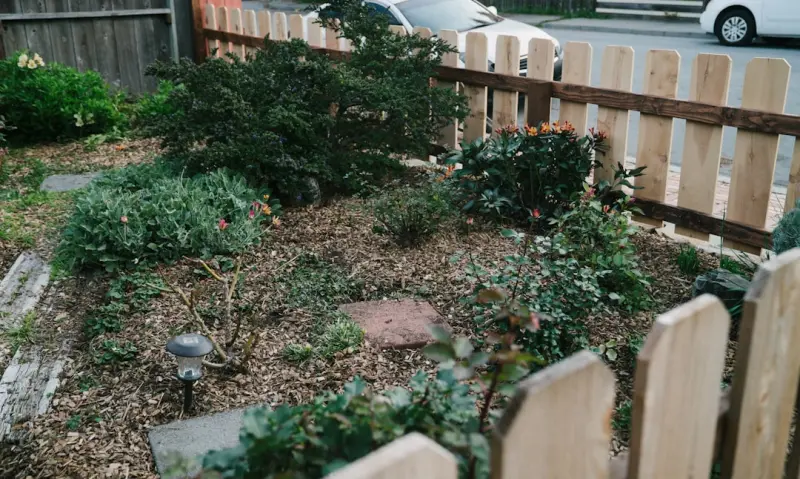
Smart Backyard Makeover: Turning Your Garden into a Connected Eco‑Hub
Learn to upgrade your garden into a smart, eco‑friendly space using soil sensors, weather‑aware ... Read More

Balcony Bloom: Crafting a Low‑Maintenance Pollinator Garden for Urban Spaces
Learn to create a vibrant, low‑maintenance balcony garden that attracts bees and butterflies, boos... Read More
Top Posts
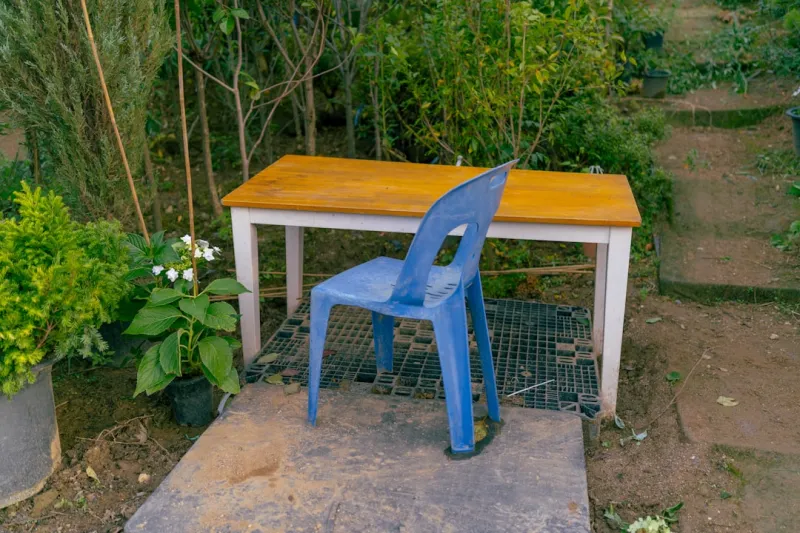
Cultivating Productivity: How Garden Desks Transform Home Life
A garden desk isn’t just furniture; it’s a lifestyle upgrade that merges work, wellness, and the outdoors into one inspiring home hub....Read More

Creating an Invisible Buffer: Guarding Your Mind in a Hyper‑Connected Workday
Discover the Invisible Buffer—a set of low‑effort habits that protect mental space amid nonstop notifications, AI alerts, and digital overload, empowering y...Read More

The Hidden Superpower of Everyday Storytelling for Mental Resilience
Explore how weaving simple narratives into daily tasks can rewire the brain, reduce anxiety, and build lasting mental resilience, with actionable tips for indiv...Read More

How AI Can Champion Inclusive Product Design
AI isn’t just a productivity booster; it can be a powerful ally in creating inclusive products. Learn practical ways to use AI for bias detection, diverse hir...Read More
0 Comments
Post Comment
You will need to Login or Register to comment on this post!