
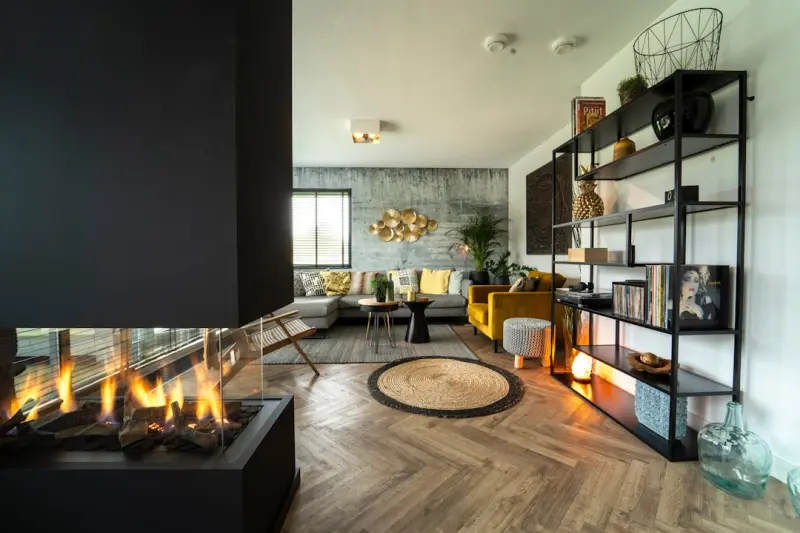
Ever walked into a room that felt like a dead‑end, even though the square footage was generous? I’ve been there, and I’ve also seen how a few intentional, low‑cost tweaks can flip that feeling on its head. As someone who spends a lot of time bouncing between client sites and my own living space, I’ve learned that the secret isn’t a massive remodel – it’s strategic zoning. By treating each area of your home as a fluid “zone” that can adapt to your daily rhythms, you’ll unlock more comfort, better focus, and even a healthier indoor climate without adding square footage.
Why “Dynamic Zoning” Beats Static Layouts
Traditional interior design treats a room as a single, fixed function: the kitchen cooks, the living room lounges, the office works. That mindset can create bottlenecks when life gets busy. Dynamic zoning, on the other hand, embraces flexibility. It’s the practice of using modular furniture, adjustable lighting, and simple airflow tricks to let a single space serve multiple purposes throughout the day.
Think of it as a living organism that responds to stimuli. In the morning, your bedroom might double as a meditation nook; by noon, it transforms into a quick‑change office; and in the evening, it becomes a cozy reading alcove. The key is to set up “micro‑zones” that can be activated or deactivated with minimal effort.
Step 1: Map Your Daily Flow
Start by sketching a rough timeline of your typical day. Where do you eat? Where do you work? Where do you unwind? Identify the moments when two or more activities overlap. For example, you may need a spot to answer emails while you’re sipping coffee in the kitchen.
- Morning: Wake‑up, stretch, coffee, quick email check.
- Midday: Focused work, video calls, lunch prep.
- Evening: Dinner, family time, low‑light reading.
Once you have this flow, you can assign “zones” to each activity block, then look for furniture or lighting that can pivot between them.
Step 2: Choose Modular Furniture That Moves
Invest in pieces that can be re‑positioned or re‑configured on the fly. Some of my favorite options include:
- Fold‑away desks: A wall‑mounted, height‑adjustable desk that folds flat when not in use frees up floor space for yoga or a kids' play area.
- Ottoman storage units: These double as seating, footrests, and hidden storage for office supplies or blankets.
- Rolling bookcases: Move your reading collection from the living room to the bedroom for a nighttime nook, then roll it back for a daytime study zone.
By selecting furniture with built‑in storage, you keep the visual clutter down—a principle that dovetails nicely with the air‑quality improvements we’ve discussed in other posts.
Step 3: Light as a Zoning Tool
Lighting isn’t just about illumination; it’s a cue for your brain that signals “work mode” or “relax mode.” Install a mix of ambient, task, and accent lighting that can be controlled independently:
- Smart bulbs: Set scenes that transition from cool, bright light for focus to warm, dim light for winding down.
- Under‑cabinet LED strips: Perfect for kitchen work zones and can double as subtle evening lighting when you’re cooking after dark.
- Floor‑lamp with dimmer: Ideal for a reading corner that can be brightened for a quick spreadsheet review.
If you’re looking for a deeper dive on how light impacts mood, the Illuminating Wellness article breaks down the science in an accessible way.
Step 4: Harness Natural Ventilation for a Fresh Feel
Even the most sophisticated HVAC system can’t compete with a well‑timed breeze. Simple actions can dramatically improve comfort:
- Cross‑ventilation windows: Open windows on opposite sides of a room to create a natural airflow path. Position a lightweight fan near one opening to boost the draft.
- Window‑mounted vent louvers: These let you direct fresh air without letting rain in, and they can be angled to target specific zones like a home office desk.
- Strategic plant placement: Certain houseplants, like the peace lily or spider plant, not only improve air quality but also act as natural humidifiers during dry months.
Pairing these tactics with a modest air‑purifier can keep allergens at bay, making the entire home feel cleaner and more invigorating.
Step 5: Acoustic Zoning for Focus and Calm
Noise is an invisible disruptor. When you convert a dining area into a temporary office, consider acoustic treatments that keep the space quiet without turning it into a sound‑proof bunker. Here are a few low‑budget tricks:
- Heavy curtains: Thick drapes absorb echo and can be pulled across a window to dampen street noise.
- Rugs and floor mats: Soft surfaces reduce foot‑step reverberations, especially in hardwood rooms.
- DIY acoustic panels: Frame a canvas, cover it with acoustic foam, and hang it on the wall behind your monitor. It looks like art and cuts down on distracting chatter.
For inspiration on creating small retreats, check out the Micro‑Comfort Zones piece, which shows how tiny, purposeful spaces can dramatically boost daily joy.
Step 6: Leverage Smart Home Hubs for Seamless Transitions
Automation can make dynamic zoning feel effortless. A single voice command or app tap can switch a room from “work” to “relax” mode by:
- Lowering blinds to reduce glare.
- Adjusting the thermostat for a cooler environment during focused tasks.
- Activating a “white noise” playlist or turning on a sound‑masking speaker.
- Changing lighting scenes as described earlier.
Most modern hubs (Google Home, Amazon Echo, Apple HomeKit) support custom “routines” that you can label with intuitive names like “Morning Sprint” or “Evening Unwind.”
Step 7: Keep the Zones Clean and Decluttered
Dynamic zoning only works when each zone is ready for its next role. Adopt a “one‑in, one‑out” rule for items entering a zone: if you bring a new coffee mug into the office corner, store or donate an older one. This habit keeps surfaces clear, reduces visual noise, and makes it easier to switch between functions without hunting for misplaced items.
Putting It All Together: A Sample Day in a Dynamically Zoned Home
6:30 am – Wake & Stretch
Open the bedroom’s cross‑ventilation windows, pull the blackout curtains aside, and set the smart bulb to a cool, sunrise hue. A gentle fan draws in fresh air while a floor‑lamp dims to a warm amber for a few minutes of meditation.
7:00 am – Coffee & Email Check
Slide the rolling bookcase into the kitchen corner, revealing a compact fold‑away desk. The under‑cabinet LEDs illuminate the countertop for prep, while a quick voice command switches the “Morning Sprint” routine: blinds open, coffee maker starts, and a low‑volume white‑noise track begins.
9:00 am – Focused Work
Adjust the desk to standing height, engage the acoustic panel behind your monitor, and set the smart bulb to a bright, neutral white. The room now feels like a dedicated office, even though it’s still the kitchen.
12:30 pm – Lunch & Light Walk
Fold the desk back, slide the bookcase to the living room, and close the kitchen’s ventilation louvers. Open the living‑room windows for a cross‑breeze, let the curtains sway, and enjoy a meal bathed in natural light.
3:00 pm – Creative Project
Pull the rolling bookcase back to the bedroom, creating a “studio” zone. Swap the bright work light for a softer, color‑changing lamp that mimics natural daylight, perfect for artistic tasks.
6:00 pm – Family Dinner
Close all smart routines, return the furniture to its default positions, and set the dining area’s ambient lighting to a warm glow. The room now feels like a gathering spot, not a workspace.
9:00 pm – Wind‑Down Reading
Slide a plush ottoman from the living room to the bedroom, open the heavy curtains, and dim the lights to a soothing amber. The space instantly transforms into a private reading nook, complete with a soft rug and a quiet acoustic environment.
Future‑Proofing Your Dynamic Zones
As technology evolves, more devices will become “zone‑aware.” Imagine a smart coffee table that detects when you’re standing at the desk and automatically lowers to a comfortable height, or a window that tints itself based on the time of day to reduce glare without manual blinds.
When you design your home today with adaptability in mind, you’re not just creating a more comfortable living environment—you’re future‑proofing it. The flexibility you build now will let you integrate new gadgets, accommodate changing family needs, and stay aligned with sustainable living practices without a full remodel.
Final Thoughts: Start Small, Think Big
Dynamic zoning isn’t a massive project; it’s a series of small, intentional decisions that compound over time. Begin with one room, test a few modular pieces, and experiment with lighting scenes. As you see the benefits—greater focus, smoother transitions, and a fresher indoor atmosphere—you’ll naturally expand the concept throughout your home.
Remember, the goal isn’t to chase the latest trend but to create a living space that flexes with you, supporting your professional drive and personal well‑being alike. With a bit of planning, a few smart purchases, and the right mindset, you’ll turn any square footage into a dynamic, health‑promoting sanctuary.

Brad Hays is a freelance writer known for his versatile skill set and ability to craft compelling content across a wide range of industries.
Related Posts
Light, Air, and Flow: Reimagining Home Environments for Everyday Energy
Discover practical ways to harness natural light, create purposeful airflow, and design multi‑func... Read More
Boost Your Home’s Energy IQ: Smart, Simple Hacks for Every Room
Learn how to audit, optimize, and smarten up your home’s energy use with easy, actionable steps—... Read More
Quiet Corners: Mastering Acoustic Comfort in Open‑Plan Homes
Learn how to turn noisy open‑plan spaces into serene retreats using soft furnishings, DIY acoustic... Read More
Top Posts
Designing a Hybrid‑Work Mental‑Health Blueprint
A step‑by‑step guide to building micro‑rituals, smart‑lighting, and digital boundaries that safeguard mental well‑being in hybrid work setups....Read More

Breathing Into Balance: A Modern Guide to Respiratory Wellness
Explore practical breathwork techniques that fit into busy schedules, enhance mental clarity, and support overall health without any costly equipment....Read More
Hidden Harmony: Simple Home Tweaks for Calm and Clarity
Learn how to turn overlooked corners into calming micro‑sanctuaries with affordable materials, acoustic tips, and seasonal refresh ideas, all designed to enha...Read More
AI as a Silent Mentor: Accelerating Professional Growth in the Enterprise
Explore the concept of AI as a silent mentor that provides personalized, just‑in‑time coaching, helping employees close skill gaps, improve decision‑makin...Read More
0 Comments
Post Comment
You will need to Login or Register to comment on this post!