
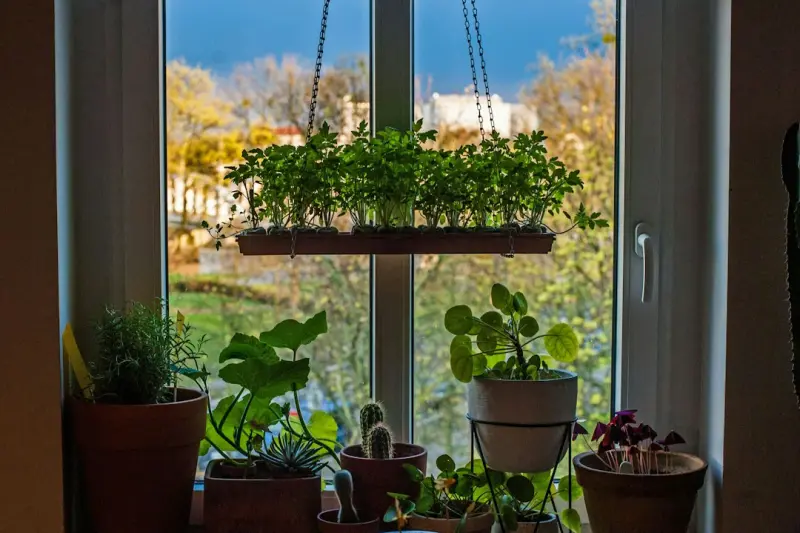
Why Water Features Matter in Modern Gardens
When I first moved into my suburban home, I thought a garden was just a patch of green to keep the neighbors happy. Over time, I realized that the right garden can be a living, breathing extension of our daily lives—a place where sound, sight, and even the subtle scent of moisture become part of our personal wellbeing routine. One element that consistently transforms a garden from “nice” to “extraordinary” is water. Not just any water, but thoughtfully designed water features that blend aesthetics, sustainability, and sensory delight.
From Concept to Reality: Mapping Out Your Vision
Before you rush to the nearest home improvement store, pause and sketch a rough layout of your outdoor space. Ask yourself:
- What mood do I want to set? A tranquil pond evokes a meditative vibe, while a bubbling fountain adds a playful, kinetic energy.
- How will the feature interact with existing structures? Consider sightlines from the kitchen window, the flow of foot traffic, and how the feature will frame your patio or deck.
- What maintenance level am I comfortable with? Some features, like a simple recirculating basin, need weekly cleaning; others, like a self-sustaining rain garden, can be almost hands‑off.
These questions shape the type of water feature you’ll choose, whether it’s a dynamic room zoning approach applied outdoors, where zones of sound and flow guide movement, or a more static centerpiece.
Choosing the Right Type of Water Feature
Here’s a quick rundown of the most popular options and what they bring to the table:
- Reflective Ponds – Ideal for creating a mirror‑like surface that doubles the visual space and reflects surrounding foliage, making small yards feel larger.
- Tiered Waterfalls – Add height and motion, perfect for breaking up flat terrain and masking unwanted neighborhood noise.
- Modern Fountains – Sleek, geometric designs that pair well with contemporary homes and can be integrated with smart lighting for night‑time drama.
- Rain Chains – A low‑maintenance, artistic alternative to traditional downspouts that guide rain from the roof to a decorative basin.
- Living Water Walls – Combine vertical gardening with a flowing sheet of water, delivering both a visual focal point and a natural humidifier for nearby plants.
My personal favorite? The living water wall. It feels like a piece of sculpture that breathes, and it doubles as a light‑enhanced sanctuary, especially when you add subtle LED strips behind the cascading water.
Materials Matter: Sustainable Choices for Long‑Term Beauty
When you’re planning a garden that will age gracefully, the materials you select can make a huge difference in durability, ecological impact, and visual harmony.
- Recycled Concrete – Offers a rugged, industrial look while repurposing material that would otherwise end up in a landfill.
- Natural Stone – Think river rocks or slate; these blend seamlessly with the environment and provide excellent slip resistance around wet areas.
- Stainless Steel – Perfect for modern aesthetics and highly resistant to corrosion, especially when you opt for marine‑grade alloys.
- Eco‑Resin – A lightweight, UV‑stable alternative for sculptural elements that mimic stone or wood without the weight penalty.
Whichever material you pick, ensure it’s sealed properly to prevent water infiltration and that it complements the surrounding plant palette. A cohesive material palette ties the water feature into the larger garden narrative, turning it from an isolated object into an integral garden organ.
Integrating Smart Technology Without Losing the Natural Feel
Smart tech has seeped into every corner of our homes, and gardens are no exception. You don’t have to sacrifice the organic vibe to enjoy the convenience of automation.
- Solar‑Powered Pumps – Harness daylight to keep water moving, reducing electricity costs and aligning with eco‑friendly values.
- Wi‑Fi Controlled Flow Rates – Adjust the intensity of a waterfall from your phone, ideal for setting the right ambiance for a dinner party or a quiet evening.
- Integrated Sensors – Water level and temperature sensors can alert you when the basin needs topping up or when the water temperature drops below a desired threshold.
- Programmable Lighting – Sync LEDs with sunset times or even music, creating dynamic light shows that turn a simple fountain into a night‑time centerpiece.
These subtle tech upgrades can make maintenance a breeze while preserving the garden’s natural charm. I often set my water wall’s pump to a slower flow during summer evenings, letting the gentle sound lull me into a relaxed state after a long workday.
Water Conservation: Designing for Efficiency
One of the biggest concerns with adding water features is the potential for waste. Here are proven strategies to keep your garden green—in both senses of the word:
- Closed‑Loop Recirculation – Most modern features reuse the same water, filtered through bio‑media to keep it clear.
- Rain Harvest Integration – Connect your rain barrels or a rain garden to feed the feature, reducing reliance on municipal water.
- Evaporation Reduction Techniques – Use shade sails or plant taller foliage around the feature to lower direct sun exposure.
- Greywater Use – With proper filtration, you can channel bathroom greywater into ornamental ponds, turning waste into a decorative asset.
By combining these tactics, you can create a stunning water element that actually conserves resources rather than depleting them.
Creating a Sensory Experience: Sound, Sight, and Smell
Water isn’t just a visual treat; its sound can mask traffic noise, lower stress hormones, and even improve focus. When designing your feature, consider:
- Flow Speed – Faster flow creates a bright, energetic sound; slower flow offers a deep, resonant hush.
- Waterfall Shape – Cascading over rocks generates a natural, irregular rhythm, while a smooth sheet produces a consistent, soothing tone.
- Plant Placement – Aromatic plants like lavender or mint near the water can release subtle scents when mist touches their leaves.
In my own backyard, I positioned a small lavender hedge right beside a pebble‑lined stream. The gentle mist from the stream amplifies the herb’s fragrance, turning a simple walk through the garden into a calming aromatherapy session.
Maintenance Made Simple: A Routine That Fits Your Lifestyle
Even the most low‑maintenance water features require a baseline routine to stay pristine.
- Weekly Skim – Remove floating debris using a fine mesh net.
- Monthly Filter Clean – Rinse bio‑media filters to ensure optimal water flow.
- Seasonal Deep Clean – In spring, drain the basin, scrub surfaces, and check pump seals for wear.
- Winter Protection – If you live in a colder climate, install a freeze‑proof pump or use an insulated cover to prevent pipe bursts.
When I first started, I was intimidated by the idea of regular upkeep. However, by integrating a small automatic skimmer and setting a calendar reminder, the process blends seamlessly into my weekly routine, leaving more time for the garden’s true purpose: relaxation.
Budgeting Tips: Getting the Most Bang for Your Buck
Creating a stunning water feature doesn’t have to break the bank. Here are a few cost‑saving strategies:
- DIY Concrete Basin – Form a simple slab using inexpensive molds; finish with a sealant for a polished look.
- Upcycled Materials – Repurpose old bathtubs, barrels, or even reclaimed wood to serve as basins or waterfalls.
- Community Plant Swaps – Trade excess plants with neighbors to add lushness without buying new specimens.
- Phased Implementation – Start with a basic pump and basin, then add lighting or additional tiers over time as budget allows.
Remember, the impact of a water feature is often more about the experience it creates than the price tag attached to its components.
Case Study: A Small Urban Balcony Transformed
One of my clients lives in a high‑rise condo with a modest balcony. She wanted a garden oasis but had limited space and a strict HOA that prohibited permanent structures. We installed a compact recirculating fountain using a sleek, stainless‑steel cylinder that fits beneath a narrow railing. The pump is solar‑powered, and a tiny LED ring provides a soft glow after dark. The result? A tranquil soundscape that drowns out city traffic and a visual focal point that makes her balcony feel like a private retreat.
This project underscores a key lesson: even the tiniest spaces can host a water feature, as long as you think creatively about scale, placement, and the interplay with existing architecture.
Final Thoughts: The Long‑Term Value of Water in Your Garden
Investing in a water feature is more than an aesthetic upgrade; it’s a lifestyle decision that adds tangible benefits—enhanced property value, improved mental health, and a reduction in your ecological footprint when designed responsibly. By blending thoughtful design, sustainable materials, and smart technology, you can craft a water element that resonates with both your personal taste and the broader goals of modern homeownership.
Take the plunge, experiment with flow, light, and sound, and watch as your garden evolves from a backdrop to a living, breathing sanctuary.

Tyler Johnson is a seasoned freelance writer with a keen eye for detail and a passion for crafting compelling narratives. His years of experience have honed his ability to adapt his style to suit diverse client needs and project requirements.
Related Posts
From Kitchen Scraps to Garden Gold: Mastering Home Composting
Discover a practical, eco‑friendly way to turn everyday kitchen waste into garden gold, enriching ... Read More
Designing a Sensory Garden: A Fresh Take on Outdoor Wellness
A sensory garden engages sight, sound, smell, touch, and taste, turning any outdoor area into a ther... Read More
Why My Garden Desk Became the Soul of My Home
A garden desk isn’t just a workspace—it’s a sanctuary where home life, productivity, and natur... Read More
Top Posts
Why Garden Desks Are the Secret Weapon for Modern Employment
Explore the benefits of garden desks for modern employment—productivity, wellness, and creativity—all from a personal, hands‑on perspective....Read More
Smart Backyard Makeover: Turning Your Outdoor Space into a Connected Retreat
Learn to blend technology and nature, creating a connected backyard that boosts productivity, enhances entertainment, and simplifies garden care....Read More

From My Garden Desk: Jimmy Damon’s Vision for the Future of Employment
Jimmy Damon reveals why turning your garden into a home office boosts productivity, mental health, and aligns with emerging employment trends. Discover practica...Read More

Turning Virtual Communities into a Career Launchpad
Learn to leverage virtual communities as a powerful career tool, turning everyday online interactions into real‑world professional opportunities....Read More
0 Comments
Post Comment
You will need to Login or Register to comment on this post!