

There’s a quiet revolution happening in backyards across the country: homeowners are carving out intimate reading sanctuaries under the open sky. Gone are the days when the garden was solely a space for planting, entertaining, or exercising. Today, the garden can also be a literary retreat, a place where the rustle of leaves becomes the soundtrack to the next chapter. In this post, I’ll walk you through the step‑by‑step process of designing a backyard reading nook that feels both luxurious and effortless, drawing on my own experiments and a few proven design principles.
Why an Outdoor Reading Nook?
Reading is already a form of escape, but when you pair it with the natural world, you amplify that sense of immersion. Sunlight filtered through foliage, the gentle hum of insects, and the subtle scent of earth all engage the senses in ways a static indoor chair never can. Research shows that exposure to nature reduces stress hormones, improves focus, and even boosts comprehension. So, creating a dedicated spot for reading outdoors isn’t just a stylistic choice—it’s a wellness strategy.
Step 1: Choose the Right Micro‑Location
Not every corner of your yard is suited for a reading nook. Look for areas that already provide a degree of shelter and privacy. Ideal spots include:
- Under a pergola or gazebo: These structures give you built‑in shade and a sense of enclosure.
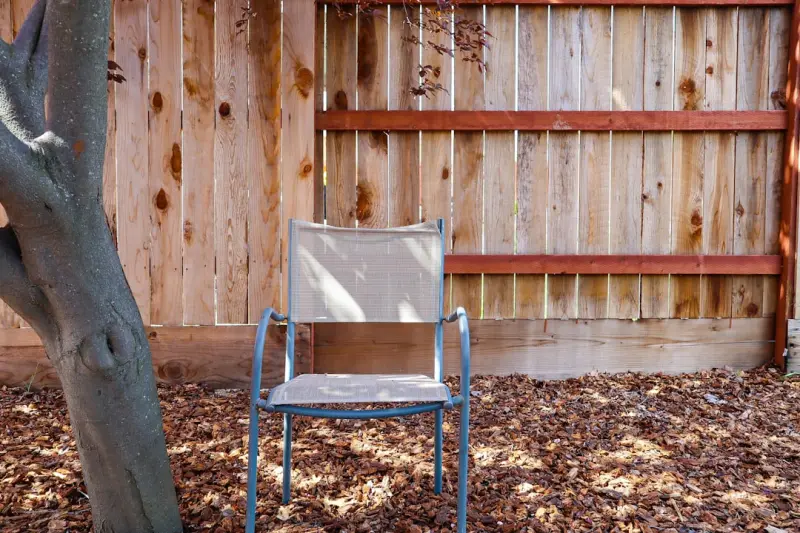
- Beside a mature tree: The canopy offers natural shade and a tranquil atmosphere.
- Along a quiet fence line: If you have a neighbor-friendly fence, you can add a low screen for extra seclusion.
Take a walk around your property at different times of day. Note where the sun hits, where breezes flow, and where you feel most at ease. Your chosen spot should receive enough natural light for reading, but also provide the option to retreat into shade when the sun is too strong.
Step 2: Prioritize Comfort—Furniture That Invites You In
Comfort is non‑negotiable. A well‑cushioned outdoor lounge chair or a hammock with a supportive back can transform a simple patch of grass into a coveted escape. When selecting furniture, keep these factors in mind:
- Weather‑Resistant Fabrics: Look for UV‑protected, quick‑dry textiles that resist mold and fading.
- Ergonomic Support: A slight recline, lumbar support, and armrests make long reading sessions enjoyable.
- Mobility: Light‑weight pieces allow you to reconfigure the space seasonally.
If space is limited, consider a seasonal window‑box filled with low‑maintenance succulents placed on a small side table—this doubles as a decorative element and a convenient spot for a cup of tea.
Step 3: Master the Light—Natural and Supplemental
Reading requires adequate illumination, but you don’t want harsh glare. Here’s how to balance natural light with subtle artificial sources:
- Strategic Shade: If your nook is under a pergola, add adjustable louvered panels to filter sunlight.
- Solar Lanterns: Position solar‑powered lanterns at the base of your seating for a warm glow after sunset.
- Fairy Lights: Drape delicate string lights across nearby branches for a magical ambiance.
- Smart Lighting Integration: For a tech‑savvy twist, integrate smart lighting that can be controlled via voice or app, allowing you to adjust brightness without leaving your book.
Remember, the goal is to mimic the soft, diffused light you’d find in a cozy indoor nook.
Step 4: Create a Sound Buffer
The most immersive reading experiences are often defined by the surrounding sounds—or the lack thereof. While a gentle breeze or bird song can be soothing, unwanted noises (traffic, loud neighbors) can break concentration. Here are a few strategies:
- Water Features: A small tabletop fountain creates a gentle, consistent white noise that masks disruptive sounds.
- Soft Landscaping: Plant dense, low‑growth shrubs like dwarf boxwood or lavender around the perimeter to act as a natural sound barrier.
- Acoustic Panels: Decorative, weather‑proof acoustic panels can be mounted on surrounding walls for added quiet.
Step 5: Add Sensory Layers—Texture, Scent, and Taste
Reading is a mental activity, but it thrives when the environment engages the other senses. Consider these sensory enhancements:
- Texture: Lay a weather‑resistant rug or a woven grass mat under your seat for a tactile grounding.
- Scent: Incorporate aromatic plants such as rosemary, mint, or jasmine nearby. Their subtle fragrances can deepen relaxation without overpowering the senses.
- Edible Touches: If you have a small herb garden adjacent to your nook, pluck fresh mint for tea or basil for a snack—this ties reading into a holistic, nourishing ritual.
Step 6: Curate a Mini Library
While the idea of a full bookshelf outdoors might seem impractical, a curated selection of your favorite titles can be stored in weather‑proof containers. Options include:
- Water‑Resistant Storage Boxes: Stackable boxes that keep books dry during rain.
- Outdoor Book Shelves: Made of teak or powder‑coated metal, these can be anchored to a wall or freestanding.
- Rotating Book Cart: A small, mobile cart lets you swap books in and out, keeping the selection fresh.
Take care to protect paper from humidity by using silica gel packets inside storage containers.
Step 7: Personalize with Art and Accessories
The final flourish is the details that make the nook uniquely yours. A few ideas:
- Statement Rug: Choose a pattern that reflects your personality—geometric, bohemian, or classic.
- Throw Blankets: Keep a couple of outdoor‑grade blankets for cooler evenings.
- Reading Lamp: A rechargeable, battery‑powered LED lamp adds focused light for night reading.
- Personal Touches: A vintage lantern, a collection of travel souvenirs, or a small sculpture can spark conversation and inspiration.
Step 8: Keep It Low‑Maintenance
One of the biggest barriers to creating an outdoor reading space is the fear of upkeep. Design with sustainability in mind:
- Use Recycled Materials: Upcycled pallets for a table, reclaimed wood for a bench.
- Choose Native Plants: They require less watering and are more resistant to local pests.
- Integrate year‑round green solutions: Plant evergreens or hardy perennials that retain foliage throughout the seasons, ensuring visual interest even in winter.
By planning for durability, you’ll spend more time reading and less time maintaining.
Case Study: My Own Backyard Nook
When I first tackled the idea of an outdoor reading space, I started with a modest corner beside a mature oak. I installed a modest pergola, draped with sheer, weather‑proof curtains for added shade. I chose a weather‑treated recliner, added a waterproof side table, and placed a solar lantern beside it. To soften the sound of passing cars, I planted a low hedge of lavender and rosemary, which also gave the area a pleasant scent.
In the first month, my reading time increased by 30%, and I found that my focus during work‑related research sessions improved significantly. The space became my go‑to for brainstorming, creative writing, and simply unwinding after a busy day. The lesson? Even a small, thoughtfully designed nook can have a profound impact on mental clarity and enjoyment.
Future‑Proofing Your Nook
As climate patterns shift, it’s wise to future‑proof your reading sanctuary:
- Adjustable Shade Systems: Retractable awnings can adapt to hotter summers and cooler winters.
- Heat‑Reflective Materials: Use light‑colored surfaces for the pergola to reduce heat absorption.
- Portable Heating Options: An outdoor-safe, portable heater can extend the usable season into cooler months.
By staying flexible, your nook remains a year‑round haven.
Bringing It All Together
The magic of a backyard reading nook lies in its ability to fuse comfort, nature, and personal expression into a single, immersive experience. By carefully selecting a spot, focusing on lighting and sound, integrating sensory layers, and maintaining a low‑maintenance approach, you can craft a space that invites you to lose yourself in stories while staying grounded in the present.
So, the next time you feel the pull of a new book, consider stepping outside. Your garden isn’t just a backdrop—it can be the protagonist in your reading journey.

Tyler Johnson is a seasoned freelance writer with a keen eye for detail and a passion for crafting compelling narratives. His years of experience have honed his ability to adapt his style to suit diverse client needs and project requirements.
Related Posts
Cultivating a Backyard Sensory Sanctuary for Mindful Living
Discover how to turn your backyard into a sensory sanctuary that engages touch, sound, and scent, of... Read More

Turn Your Backyard into a Garden Desk Oasis
Learn to transform your backyard into a productive garden desk oasis with practical design tips, pla... Read More

From Window Sills to Rooftops: The Rise of the Miniature Urban Farm
Learn step‑by‑step how to transform a modest balcony or windowsill into a productive urban farm,... Read More
Top Posts

Cultivating a Healing Herb Garden for Home Wellness
Turn your backyard into a soothing sanctuary with a DIY healing herb garden—perfect for culinary delights, aromatherapy, and daily mindfulness, all while stay...Read More

Let the Sun In: Home Light Hacks for a Brighter, Healthier Space
Sanji Patel reveals how simple mirror placement, reflective paints, strategic window treatments, and indoor plants can transform any home into a brighter, healt...Read More

Creative Ways to Make a Small Home Feel Spacious and Serene
Learn practical, low‑cost strategies—like scent layering, flexible zones, and DIY cleaning—to make even the tiniest home feel open, healthy, and serene....Read More

Edible Elegance: Turning Your Garden Into a Culinary Canvas
Discover how to redesign your garden as a living pantry, using companion planting, smart irrigation, and seasonal strategies to grow flavorful, fresh produce ri...Read More
0 Comments
Post Comment
You will need to Login or Register to comment on this post!