

Why AI is the Quiet Architect of Our Daily Routines
Ever notice how a gentle nudge on your phone can make you reach for a glass of water instead of another scrolling session? That nudge isn’t magic; it’s an algorithm that has learned the rhythm of your day and is quietly reshaping it. I’ve started treating these prompts as a kind of digital coach that whispers, “You’ve got this,” right when the temptation to stall appears. In my own experience, the difference between drifting and deliberately acting has become astonishingly clear.
Habit loops—cue, routine, reward—have been the cornerstone of behavioral science for decades, but AI is now the microscope that magnifies each component. By aggregating data from wearables, smart home sensors, and even calendar entries, AI can pinpoint the exact moment you’re most vulnerable to a bad habit. The moment you’re about to grab a sugary snack, for instance, an AI‑driven habit tracker can flash a reminder of your hydration goal, turning the cue into a healthier routine. This precision makes the loop feel less like a vague intention and more like a conversation with yourself.
Take a look at some of the tools that are already making waves: apps that sync with your smartwatch to detect stress spikes, smart speakers that suggest a five‑minute stretch when you’ve been seated too long, and even kitchen appliances that recommend a balanced meal after you’ve logged a late‑night snack. These aren’t futuristic fantasies; they’re the products of today’s AI research meeting everyday design. I’ve personally found that a simple “pause” notification after a long Zoom call has nudged me to a quick breathing exercise, resetting my focus for the rest of the day.
The payoff of this subtle AI assistance is more than just a tidy habit list; it’s a measurable lift in wellbeing and productivity. When the system learns which rewards truly motivate you—perhaps a short walk instead of a scrolling break—it can tailor suggestions that feel rewarding rather than punitive. Over weeks, those tiny adjustments compound into noticeable shifts in energy levels and mood. I’ve seen my own concentration span stretch, simply because the AI reminded me to stand up before my brain hit the mid‑morning slump.
Balancing Convenience with Conscious Control
Yet, the convenience of AI‑enhanced habit loops comes with a delicate ethical tightrope. Every nudge is powered by data, and that data often lives on servers that may feel far removed from your living room. I’ve spent a fair amount of time questioning how much of my personal rhythm I’m willing to hand over in exchange for a smoother day. The key, I’ve learned, is to treat AI as a partner—not a puppeteer—by setting clear boundaries around data sharing.
One practical way to maintain that balance is to audit the permissions you grant to habit‑tracking apps. Most platforms let you choose between local storage on your device and cloud syncing; opting for the former can keep your patterns private while still delivering real‑time insights. Another strategy is to schedule “offline” windows where you deliberately turn off notifications, allowing your innate willpower to take the lead. By alternating between AI assistance and self‑reliance, you keep the habit loop flexible and resilient.
Looking ahead, the next wave of AI could embed itself directly into our living spaces, creating environments that adapt on the fly. Imagine a bedroom that dims its lights just as your circadian rhythm signals it’s time to wind down, or a kitchen that suggests a low‑glycemic snack when it detects a sugar craving. Such adaptive homes would be the ultimate silent partner, weaving habit reinforcement into the very fabric of daily life. It’s a vision that feels both thrilling and a little unsettling, depending on how transparent the system remains.
For those ready to experiment, I recommend starting with a single habit and pairing it with an AI tool that offers clear, actionable feedback. My own breakthrough came when I paired a simple “drink water” reminder with a smart bottle that logged each sip; the visual progress bar turned a mundane task into a game. As you see the small wins stack up, you’ll likely feel empowered to expand the experiment—perhaps tackling posture, focus, or even creative time blocks. The journey is as much about discovering what AI can do for you as it is about learning how to stay present in the loop you’re building.
In the meantime, if you’re curious about how AI can act as a silent partner in everyday routines, check out AI as a silent partner in daily routines. For a deeper dive into habit‑centric AI tools, the article on AI-driven habit trackers offers practical tips and real‑world examples you can try today.

Jessica Gills is a freelance writer carving a niche for herself by empowering others through her words. With a focus on careers, self-development, and business, she helps readers navigate the complexities of the modern professional landscape.
Related Posts
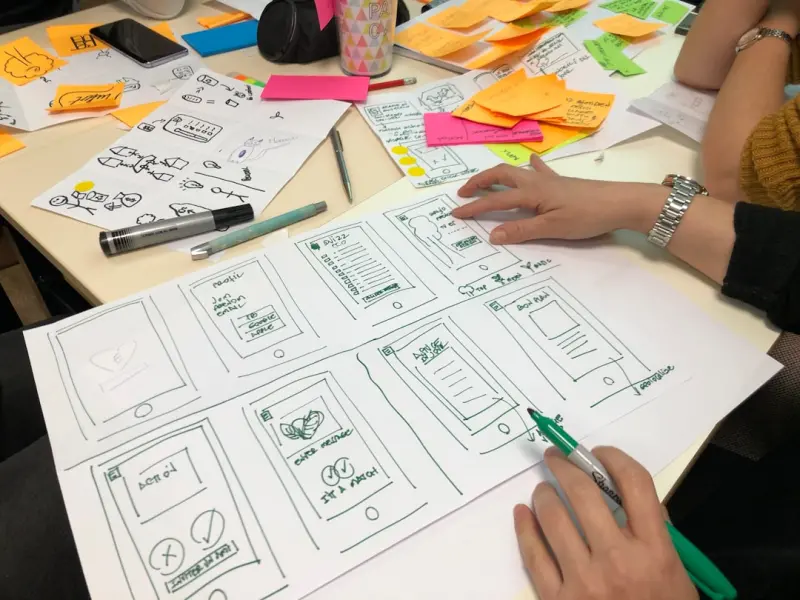
From Code to Canvas: How Generative AI is Redefining Creative Collaboration in the Enterprise
Generative AI is shifting from a tool to a collaborative partner, enabling faster ideation, cross‑... Read More
AI‑Curated Knowledge Hubs: Turning Organizational Data Into Instant Insight
AI‑curated knowledge hubs act as living libraries, continuously ingesting and synthesizing company... Read More

Ethical AI in B2B SaaS: A Playbook for Trust‑First Growth
A practical guide for SaaS leaders on building ethical AI systems—covering transparent intent, bia... Read More
Top Posts

How to Turn Every Trip into a Personal Narrative Lab
Learn to transform any journey into a personal narrative lab by setting themes, capturing sensory details, and using simple tools—turning ordinary travel into...Read More

Rain Gardens: Turning Stormwater Into a Backyard Bonus
Discover the step‑by‑step process to create a rain garden that transforms runoff into a vibrant, eco‑friendly landscape feature, offering beauty and envir...Read More
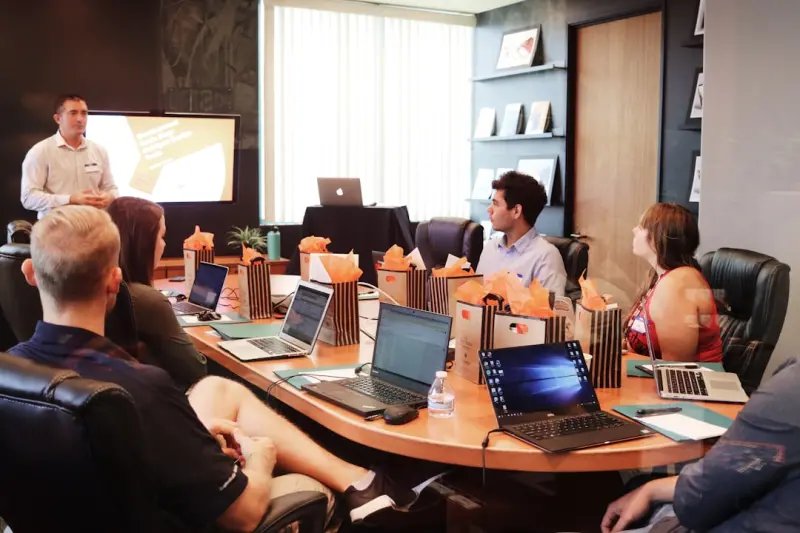
Micro‑Internships and Gig Cooperatives: New Paths to Employment Security
Explore the power of short‑term, project‑focused micro‑internships and collaborative gig cooperatives, offering rapid skill development and a community sa...Read More

Turning Setbacks into Mental Fuel: A Growth‑Mindset Playbook
Ryan Stuart shares a practical playbook for turning everyday setbacks into mental fuel, using growth‑mindset techniques to reduce anxiety and foster lasting r...Read More
0 Comments
Post Comment
You will need to Login or Register to comment on this post!