
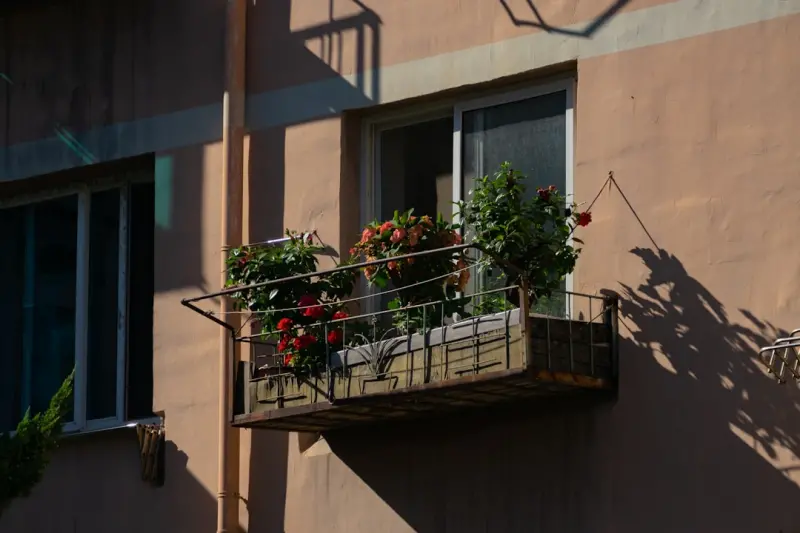
When I first inherited a cramped balcony from my apartment’s previous tenant, I felt a mix of excitement and dread. The concrete slab was bare, the railing a stark reminder of the city’s grayness, and the only view was a wall of neighboring windows. Yet, somewhere between the sigh of the wind and the distant hum of traffic, I heard a whisper: this tiny strip of outdoor space could become my personal sanctuary. The journey from a barren ledge to a year‑round green retreat taught me that even the smallest footprints can host big, vibrant ecosystems—and that the process itself is as rewarding as the result.
Why a Balcony Garden Matters
Balcony gardens sit at the intersection of home comfort and outdoor freedom. They offer:
- Psychological lift: A splash of green can reduce stress, improve mood, and sharpen focus.
- Micro‑climate control: Plants naturally moderate temperature and humidity, making your balcony more pleasant year‑round.
- Food and fragrance: Herbs, edible flowers, and scented foliage turn an ordinary balcony into a functional pantry and aromatic retreat.
In my own experience, the act of tending to a few pots each morning became a grounding ritual that set the tone for the day. This subtle shift in routine proved that you don’t need a sprawling backyard to reap the benefits of nature.
Choosing the Right Plants for All Seasons
The cornerstone of a thriving balcony garden is plant selection. The key is to pick varieties that can handle exposure, wind, and limited soil depth while still providing visual interest throughout the year.
- Hardy perennials:Lavender, Sedum, and Heuchera tolerate wind and can survive frost with proper protection.
- Seasonal annuals:Petunias, Marigolds, and Impatiens burst into color during the warmer months and can be swapped out as the climate shifts.
- Edible options:Edible Landscaping ideas include compact herbs like thyme, rosemary, and dwarf varieties of cherry tomatoes that flourish in containers.
When I introduced a mix of these plants, the balcony transformed from a static platform into a dynamic, evolving canvas. By rotating the annuals each season and protecting the perennials with lightweight frost cloths, I ensured year‑round interest without the need for a massive garden overhaul.
Modular Containers and Smart Space Hacks
Balcony real estate is precious, so every square inch counts. Here’s how I maximized my space using modular containers:
- Stackable tiered planters: These allow you to place trailing vines on the bottom tier while keeping upright herbs on the top.
- Rail‑mounted pockets: Small fabric or mesh pockets cling to the railing, perfect for seedlings or shallow‑rooted herbs.
- Fold‑away furniture: A compact bench with hidden storage doubles as a seating area and a stash for gardening tools.
- Vertical trellises: By training beans or peas upward, you free up floor space while adding greenery that reaches toward the sky.
Choosing containers with built‑in drainage trays reduces the risk of water damage to the balcony floor and simplifies maintenance. I found that using lightweight, recycled plastic pots kept the overall weight low, a crucial factor for many apartment building regulations.
Water Management Made Simple
Over‑watering is the most common mistake for balcony gardeners, especially when you’re juggling limited soil volume. Here’s my three‑step water strategy:
- Self‑watering reservoirs: Insert a water‑absorbing ceramic block at the bottom of each pot. It slowly releases moisture, keeping soil evenly hydrated.
- Drip irrigation kits: Small, timer‑controlled drip systems attach to a standard garden hose or a 5‑liter water bottle, delivering precise amounts of water directly to the root zone.
- Rain‑catching saucers: Place shallow trays under each pot to collect runoff. You can reuse this water for other plants, minimizing waste.
These methods not only conserve water but also free you from daily watering chores, letting you enjoy your balcony rather than constantly tending to it.
Seasonal Styling Tips
To keep the balcony feeling fresh, I adopt a seasonal styling approach that mirrors the concept found in Seasonal Window‑Box Mastery. Here’s how I translate that to a vertical space:
- Spring: Swap out winter foliage for pastel blooms like Sweet Alyssum and Viola. Add a few potted tulips for a pop of color.
- Summer: Introduce vibrant petunias, dwarf sunflowers, and trailing Sweet Potato Vine. Hang a small lantern for evening ambience.
- Autumn: Replace bright summer colors with deep‑hued mums, ornamental kale, and ornamental grasses that sway in the breeze.
- Winter: Keep hardy perennials under a decorative frost cover and add evergreen sprigs, such as rosemary or small pine branches, for a festive feel.
By rotating plants and accessories, you maintain visual interest while also providing the right environment for each species.
Integrating Light and Ambiance
Lighting can turn a balcony from a functional space into a magical retreat after dark. I opted for:
- Solar‑powered LED string lights: They charge during the day and emit a warm glow at night, requiring no wiring.
- Battery‑operated lanterns: Portable and easy to move, these lanterns can be placed among taller plants for a soft, diffused effect.
- Miniature fairy lights: Tucked into the foliage, they highlight textures and create a star‑like canopy.
The gentle illumination not only extends usable hours but also enhances the sensory experience—something I’ve learned to appreciate from my Multi‑Sensory Garden Blueprint explorations.
Tech Helpers: Sensors and Timers
Smart garden tech has become surprisingly affordable, and a few gadgets can make balcony gardening almost effortless:
- Soil moisture sensors: These plug into a smartphone app, alerting you when the soil dries below a set threshold.
- Automatic timers: Pair a timer with a small drip system to deliver consistent watering at sunrise or sunset.
- Growth‑tracking cameras: Compact time‑lapse cameras let you watch your plants grow, providing both data and delight.
Implementing a sensor for my most water‑sensitive herbs reduced over‑watering incidents by 70%, and the visual progress of my balcony garden kept my motivation high.
Sustainable Practices on a Tiny Scale
Even a modest balcony can contribute to larger sustainability goals. Here are a few low‑impact practices I’ve adopted:
- Compost tea brewing: I steep spent coffee grounds and kitchen scraps in a bucket of water, then use the nutrient‑rich liquid to feed my herbs.
- Recycled containers: Old tin cans, glass jars, and reclaimed wood become charming planters after a quick makeover.
- Native plant selection: Choosing species adapted to local climate reduces the need for extra water and fertilizer.
These steps echo the ethos of Cultivating a Backyard Oasis, proving that sustainability isn’t reserved for sprawling yards; it thrives in micro‑spaces too.
Maintaining Your Oasis with Minimal Effort
Consistency is key, but it doesn’t have to be labor‑intensive. My weekly maintenance routine looks like this:
- Morning glance: Check for wilted leaves, pests, or dry soil.
- Water check: Rely on the moisture sensor; top off only if needed.
- Prune & harvest: Trim spent blooms, harvest herbs, and remove dead foliage to encourage new growth.
- Evening ambiance reset: Arrange lights, tidy up tools, and enjoy a cup of tea while taking in the view.
This routine takes less than fifteen minutes on most days, yet it keeps the garden healthy and my spirit refreshed.
Personal Reflections: From Bare Ledge to Living Sanctuary
Looking back, the transformation of my balcony mirrors a larger personal journey. Each plant, each light, each piece of recycled wood became a symbol of intentional, small‑scale change. The balcony no longer feels like a leftover space—it’s a living room extension, a kitchen herb rack, and a nighttime lounge all at once. The process reminded me that the most rewarding projects are those that start small, evolve organically, and are rooted in both practicality and passion.
If you’re standing on the edge of a similar decision—whether you have a balcony, a patio, or even a windowsill—remember that the first step is simply to plant a seed. From there, the garden will grow, and so will you.

Jessica Gills is a freelance writer carving a niche for herself by empowering others through her words. With a focus on careers, self-development, and business, she helps readers navigate the complexities of the modern professional landscape.
Related Posts
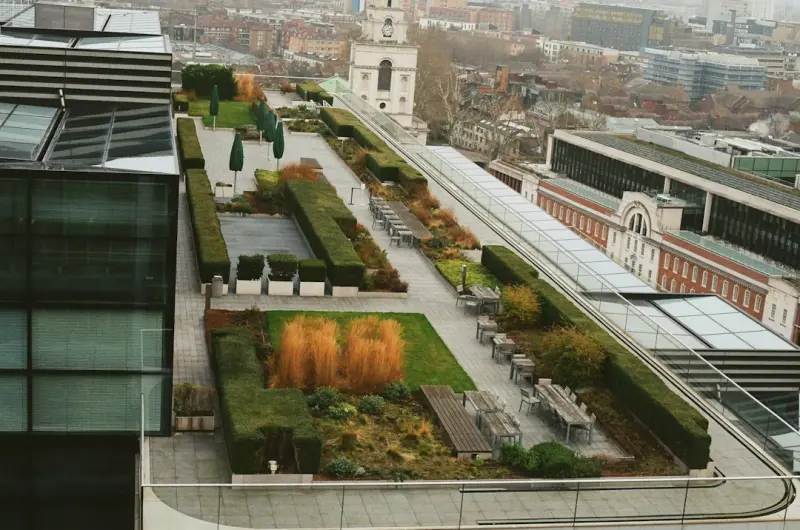
Rooftop Rain Gardens: Turning City Roofs into Lush, Sustainable Sanctuaries
Discover how rooftop rain gardens transform unused roof space into vibrant, water‑wise ecosystems ... Read More

How My Garden Desk Turned My Home Into a Productivity Playground
I swapped my cramped office for a garden desk and never looked back. Here's how this outdoor workspa... Read More

Crafting a Low‑Maintenance Xeriscape Oasis for Busy Homeowners
Transform your yard into a low‑maintenance xeriscape oasis that saves water, reduces upkeep, and s... Read More
Top Posts

Micro‑Learning: The Secret Weapon for Future‑Ready Teams
Micro‑learning reshapes talent development by delivering bite‑sized, just‑in‑time content that aligns with daily workflow, enhances retention, and drive...Read More

Micro‑Movements: Tiny Twitches That Supercharge Your Immune System
Learn the power of tiny, intentional movements that act like a low‑dose vaccine for your immune system, fitting seamlessly into your daily routine....Read More

Beyond Model Drift: Building Trustworthy AI That Grows With Your Business
Model drift silently erodes AI performance, risking revenue and compliance. This guide offers a practical framework—baseline, multi‑layered monitoring, huma...Read More

Tuning Your Body: How Sound Waves Can Elevate Everyday Health
Explore the science behind sound healing, learn easy daily practices, and see how vibration can enhance sleep, mood, and overall wellness....Read More
0 Comments
Post Comment
You will need to Login or Register to comment on this post!