

Why Scent Matters More Than You Think
When I first moved into my cottage‑style home, I fell in love with the view of the garden but quickly realized the experience was missing something. I could see the blossoms, hear the birds, but the space felt flat until I started to think about smell. The moment I planted lavender, rosemary, and sweet alyssum, my backyard transformed from a visual tableau into an immersive sanctuary that lifted my mood before I even stepped outside.
Understanding the Science of Smell
Our olfactory system is directly wired to the limbic system – the part of the brain that governs emotion and memory. A single whiff of rosemary can trigger feelings of clarity, while the sweet aroma of jasmine often evokes calm. By deliberately selecting plants with distinct scent profiles, you’re essentially curating a well‑being playlist that plays throughout the day, without the need for gadgets or playlists.
Mapping Your Garden’s Aromatic Zones
Think of your garden as a series of scented rooms. Just as you would arrange furniture for flow, you can arrange plants for fragrance flow. Here’s a simple way to get started:
- Entrance Portal: Choose bold, instantly recognizable scents like lemon verbena or gardenia to welcome guests.
- Pathway Highlights: Plant low‑lying herbs such as thyme and sage along walkways; a gentle brush of foot traffic releases their aroma.
- Seating Nook: Surround benches or hammocks with soothing scents like lavender, chamomile, or sweet peas to encourage lingering.
- Evening Ambience: Incorporate night‑blooming scented flowers—four‑o’clock, night phlox, or moonflower—for a fragrance that awakens as the sun sets.
Selecting Plants for Year‑Round Interest
One mistake many garden novices make is relying solely on seasonal bloomers. To keep the air fragrant all year, mix:
- Evergreen aromatics: Boxwood with scented foliage, such as pine or cedar.
- Winter‑hardy herbs: Rosemary, sage, and winter thyme thrive in colder months.
- Summer bloomers: Lavender, honeysuckle, and scented geraniums.
- Fall‑focused options: Chrysanthemums with spicy notes and scented asters.
By layering these selections, you’ll create a garden that smells inviting no matter the calendar month.
Design Tricks to Amplify Fragrance
Placement matters as much as plant choice. Here are three tricks I’ve tested in my own backyard:
- Vertical Gardens: Install trellises or wall‑mounted planters near seating. Climbing scented vines like clematis or jasmine release aroma at eye level, where it’s most perceptible.
- Container Groupings: Group aromatic herbs in clusters of three or five. The concentration of scent compounds intensifies when plants are close together.
- Strategic Pruning: Trim foliage just after flowering to prevent scent from being trapped inside dense foliage. This also encourages a second flush of blooms later in the season.
Integrating Scent with Function
Beyond pure pleasure, scented plants can serve practical purposes. Rosemary and mint act as natural insect repellents, while lavender can deter moths from indoor closets. By positioning these plants near doorways or patio furniture, you’re simultaneously enhancing aroma and reducing pest issues.
DIY Aromatherapy Accessories
Harvested leaves and petals become DIY aromatherapy tools. Dry lavender bundles for hanging in the kitchen, or create a simple potpourri using rose petals, orange peel, and a few drops of essential oil. I love placing a small sachet of dried mint in my garden bench cushions—every time I sit down, a fresh burst of mint greets me.
Linking Scent to Productivity
If you work from home, a scented garden can be an unexpected productivity booster. Studies show that certain aromas—citrus, rosemary, peppermint—enhance focus. I set up a hidden home hack by placing a pot of peppermint at my desk’s edge. The subtle scent keeps my mind sharp without the need for coffee spikes.
Seasonal Maintenance Checklist
Keeping the fragrance strong requires a bit of care. Here’s a quick quarterly checklist:
- Spring: Prune winter‑hardy herbs, plant new summer bloomers, and fertilize with a balanced organic mix.
- Summer: Deadhead spent flowers, mulch to retain moisture, and harvest excess herbs for cooking.
- Fall: Mulch heavily, plant fall aromatics, and cut back overly vigorous summer growth.
- Winter: Protect tender herbs with burlap wraps, water sparingly, and enjoy the evergreen scent of pine and cedar.
Creating an Edible Aromatic Landscape
Why stop at fragrance when you can eat it too? Many scented plants double as culinary herbs. Plant a row of lemon balm along the garden border—its citrus scent is delightful in teas, and the leaves are perfect for garnish. Mix in basil and thyme for a savory aromatic patch that not only smells wonderful but also supplies fresh ingredients for your kitchen.
Small‑Space Solutions: Balcony & Patio Scent
Even if you lack a sprawling yard, you can still craft a scented oasis on a balcony. Use railing planters for dwarf lavender, dwarf rosemary, and mini citrus trees. Hang a scented terracotta pot on the wall—a small trick that releases fragrance into the air as the sun warms the clay.
Inspiration from Modular Design
For those who love flexibility, think of scented zones as modular home zones. Swap out containers seasonally, or slide a fragrant panel into a sliding wall to transform a living room into a garden lounge at a moment’s notice. The modular approach ensures your scent strategy evolves with your lifestyle.
Final Thoughts: Make Your Garden a Living Perfume
Scent is the invisible thread that ties visual beauty, emotional wellbeing, and functional utility together. By curating aromatic zones, choosing year‑round fragrant plants, and leveraging design tricks, you can turn any outdoor space into a scented sanctuary that nourishes body and mind. So step outside, inhale deeply, and let the garden speak to you.

Armed with a degree in English Literature, Jill’s journey into the digital space wasn't just a career move; it was a natural extension of her lifelong love affair with storytelling. While some writers view search engine optimization (SEO) as a rigid constraint, Jill sees it as a creative puzzle. She understands the delicate art of balancing the algorithmic demands of search engines with the human desire for resonance, emotion, and value. To Jill, keywords aren't just targets to hit; they are the breadcrumbs that lead eager readers straight to the answers they’ve been searching for.
Related Posts
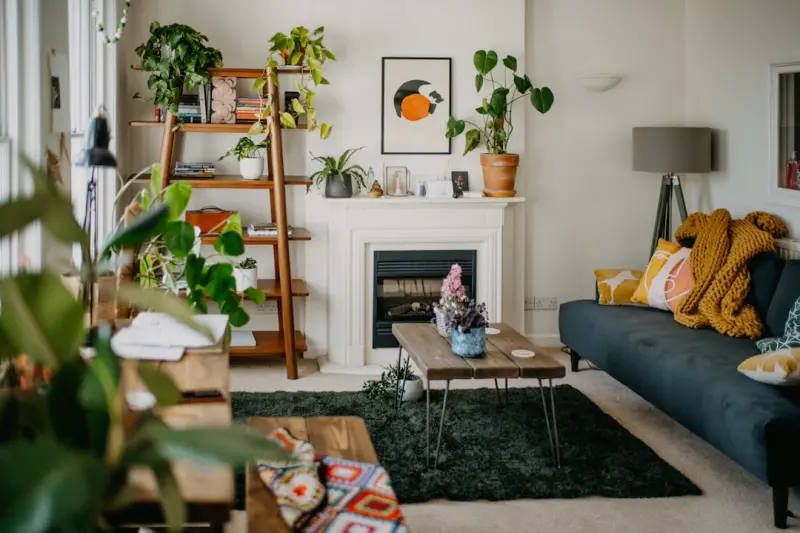
Crafting a Cozy Indoor Green Oasis for Small Spaces
Discover how to turn limited square footage into a vibrant indoor sanctuary using low‑light plants... Read More
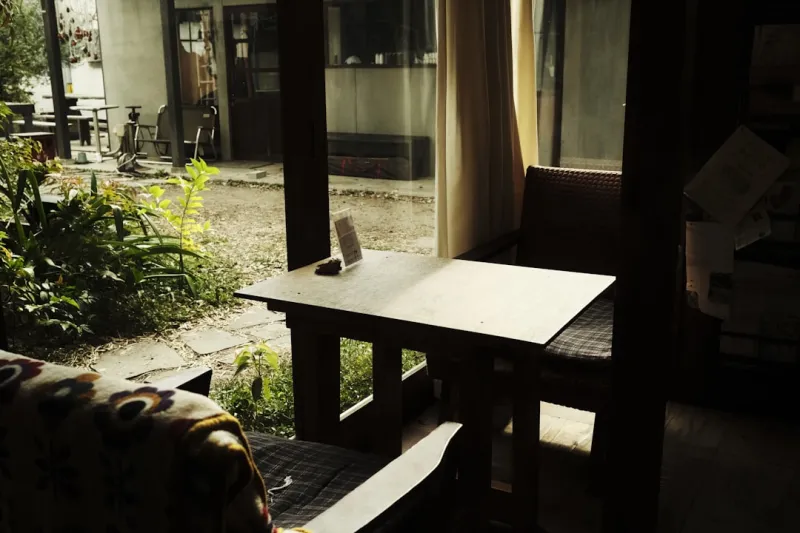
Why Garden Desks Are the Hottest Home & Garden Trend of 2026
Explore the rise of garden desks in 2026, blending work, wellness, and eco‑friendly design for a p... Read More
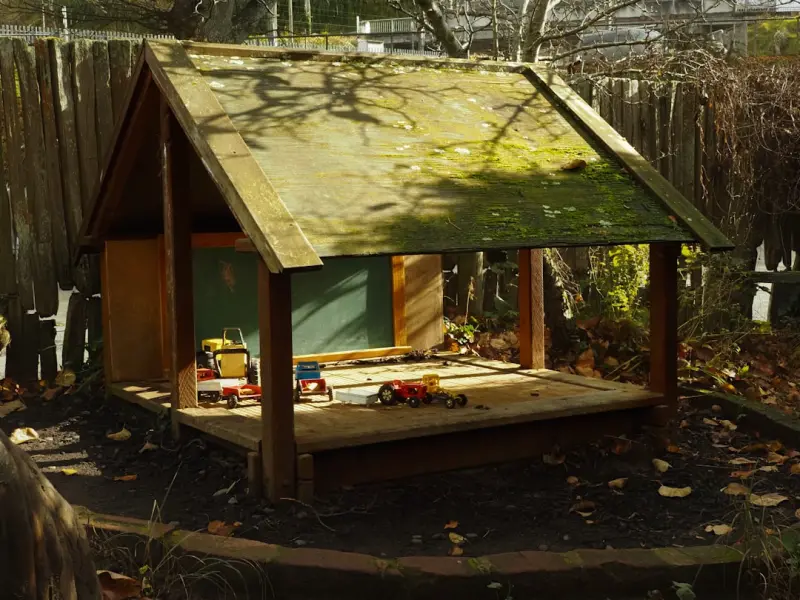
Backyard Reading Nooks: Crafting Outdoor Spaces That Invite You to Get Lost in a Book
Discover step‑by‑step how to design a cozy outdoor reading nook, from choosing the perfect spot ... Read More
Top Posts

Collecting Moments: Turning Every Trip into a Living Archive
Discover a fresh travel approach that transforms each journey into a living archive of sensory story‑chunks, empowering you to revisit, remix, and reap creati...Read More

From Couch to Community: Building Sustainable Virtual Fitness Habits
Explore the rise of virtual fitness communities, learn how to design an inspiring home workout zone, and get a step‑by‑step 30‑day plan to turn online wor...Read More

Why Your Desk Needs a Movement Minute (And How to Make It Stick)
Micro‑movement breaks are a low‑effort habit that can counteract the health risks of prolonged sitting, boost circulation, and sharpen mental clarity, makin...Read More
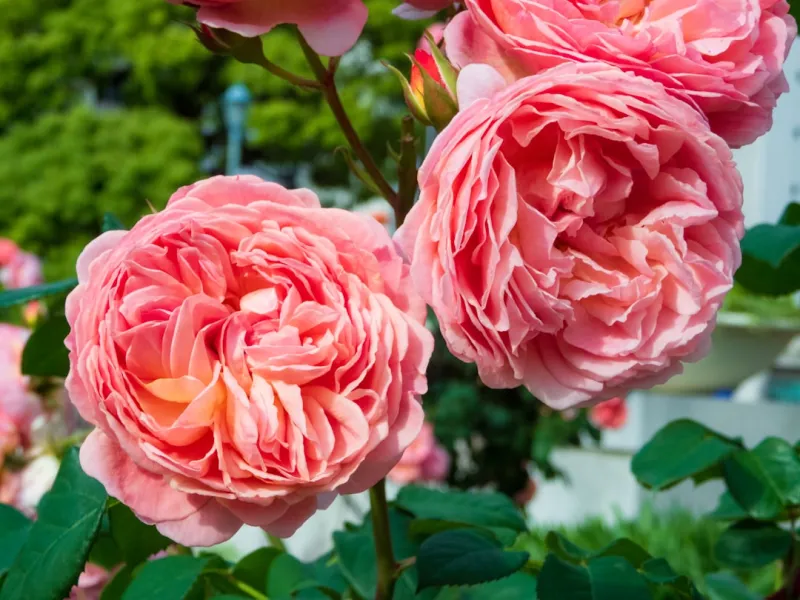
From My Garden Desk: Rose DesRochers on the New Era of Employment
Rose DesRochers shares her journey turning a backyard garden into a thriving home office, offering actionable tips and data‑driven insights for the next gener...Read More
0 Comments
Post Comment
You will need to Login or Register to comment on this post!