
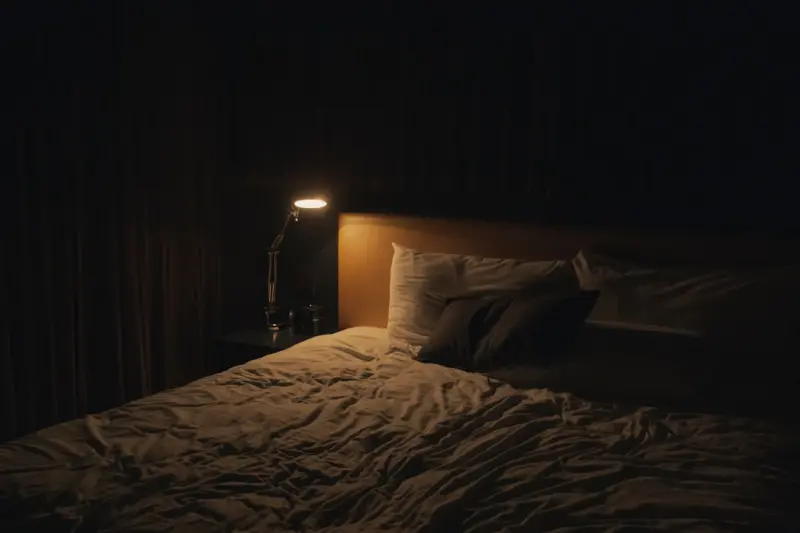
The Nighttime Reset: Turning Your Bedroom Into a Personal Sleep Lab
When I first started tracking my sleep, I expected a magic pill or a sleek gadget to solve my restless nights. Spoiler alert: it didn’t happen that way. What really shifted the needle was treating my bedroom like a miniature laboratory—complete with hypotheses, variables, and controlled experiments. In this deep‑dive, I’ll walk you through the science‑backed tweaks that turned my chaotic sleep pattern into a reliable source of energy, focus, and mood stability.
Why a Sleep Lab, Not Just a Sleep Aid?
Most people think of sleep as a passive state, something that just happens when you close your eyes. In reality, sleep is an active, highly regulated process that interacts with hormones, body temperature, light exposure, and even the air you breathe. By approaching your bedroom as a lab, you give yourself the power to measure and adjust each factor, rather than relying on vague “good sleep” advice.
Step 1: Master the Light Equation
Light is the single most powerful cue for your circadian rhythm. Natural daylight tells your brain “wake up,” while artificial light—especially blue wavelengths—can trick it into staying alert. Here’s how to control the variables:
- Morning Sunburst: Open blinds within 30 minutes of waking. Even 5 minutes of bright light can reset your internal clock.
- Evening Dim‑Down: Switch to warm, low‑intensity bulbs after sunset. If you work late on screens, enable night‑mode or use a blue‑light filter app.
- Full Darkness: Aim for complete darkness in the bedroom. Blackout curtains, eye masks, or even a DIY tent over the bed can block stray streetlights.
Step 2: Temperature—Your Silent Sleep Partner
Your core body temperature naturally drops about 1–2 °F (0.5–1 °C) as you drift off. A room that's too warm or too cold throws a wrench in that process. The sweet spot? Between 60–67 °F (15–19 °C). Use a programmable thermostat or a simple fan to maintain this range. If you’re in a hot climate, a cooling pillow or breathable linen sheets can help shave a few degrees off the surface temperature.
Step 3: Air Quality—The Invisible Influencer
Think of your bedroom air as the medium in which your body performs its nightly restoration. Poor air quality can aggravate sinus issues, trigger allergies, and even disrupt deep‑sleep phases. Here’s a quick protocol:
- Place a low‑noise air purifier with a HEPA filter near the bed.
- Keep indoor plants that actively filter toxins, like peace lilies or snake plants. (If you’re curious about how plants can boost your senses, check out Crafting a Multi‑Sensory Garden for inspiration.)
- Ventilate for 10‑15 minutes each morning by opening a window; this flushes out stale air and brings in fresh oxygen.
Step 4: The Bed—More Than Just a Mattress
While a supportive mattress is crucial, the surrounding bedding ecosystem matters too. Consider these upgrades:
- Mattress Topper: A memory‑foam or latex topper can adjust firmness without buying a whole new mattress.
- Pillow Alignment: Choose a pillow that keeps your neck in a neutral position. Side sleepers often need a thicker, firmer pillow; back sleepers benefit from a medium loft.
- Sheet Material: Natural fibers like cotton, bamboo, or linen regulate temperature better than synthetic blends.
Step 5: Soundscaping—From White Noise to Nature Beats
Just as light can be a cue, sound can either lull you or keep you alert. If you’re in a noisy urban setting, a white‑noise machine or a fan can mask disruptive sounds. For a more holistic approach, try ambient nature recordings—rainfall, distant waves, or a gentle forest breeze. The key is consistency; the same soundscape night after night trains your brain to associate it with sleep.
Step 6: Evening Rituals—The Pre‑Sleep Protocol
Think of this as your “pre‑flight checklist.” The goal is to signal to your nervous system that it’s time to unwind.
- Digital Sunset: Power down screens at least 60 minutes before bed. If you must use a device, wear blue‑light blocking glasses.
- Hydration Balance: Sip a small glass of water, but avoid large amounts that could cause nighttime trips to the bathroom.
- Gentle Stretch or Breathwork: A 5‑minute routine of diaphragmatic breathing or simple yoga poses can lower cortisol levels.
- Journaling: Write down any lingering thoughts or tomorrow’s to‑dos. This off‑loads mental chatter and frees up working memory for sleep.
Step 7: Tracking and Tweaking
Every lab needs data. You don’t need a pricey sleep study to get actionable insights. A simple wearable or a smartphone app can track sleep stages, heart rate variability, and even room temperature. Review the data weekly and adjust one variable at a time—think “change the pillow this week, tweak the light schedule next week.” This systematic approach prevents overwhelm and highlights what truly works for you.
Beyond the Bedroom: Lifestyle Variables That Echo in Your Sleep
While the bedroom is your primary experiment zone, several daily habits cast long shadows on nighttime rest:
- Morning Sunlight Exposure: As mentioned earlier, natural light in the morning anchors your circadian rhythm.
- Exercise Timing: Moderate exercise boosts sleep quality, but intense workouts within 2–3 hours of bedtime can raise adrenaline and body temperature.
- Caffeine Cut‑off: Aim for a caffeine curfew at least 6 hours before sleep. Even small amounts in the afternoon can linger in your system.
- Alcohol Awareness: While a nightcap might feel soothing, alcohol fragments REM sleep and can cause early awakenings.
Case Study: My 30‑Day Sleep Lab Journey
To prove the concept, I ran a 30‑day experiment on myself. Here’s a snapshot of the variables I altered and the outcomes:
| Week | Variable Changed | Observed Effect |
|---|---|---|
| 1 | Installed blackout curtains + eye mask | Sleep latency dropped from 30 min to 12 min. |
| 2 | Set thermostat to 65 °F; added fan for airflow | Deep‑sleep duration increased by 15%. |
| 3 | Switched to linen sheets and a medium‑firm pillow | Fewer mid‑night toss‑and‑turns; felt less sore. |
| 4 | Implemented 10‑minute breathwork + journaling | Morning alertness rose; cortisol levels (via HRV) improved. |
By the end of the month, my average total sleep time rose from 6.5 hours to 7.5 hours, and my daytime productivity score (self‑rated) climbed by 20%.
Future‑Proofing Your Sleep Lab
Technology continues to democratize sleep science. Look out for these emerging tools:
- Contactless Sleep Sensors: Devices that monitor breathing and movement from under the mattress without wearables.
- AI‑Driven Light Panels: Smart lighting that adjusts hue and intensity based on your personal circadian data.
- Dynamic Air Purifiers: Units that sense CO₂ levels and adjust filtration on the fly, ensuring optimal oxygenation.
Integrating these innovations can keep your sleep lab at the cutting edge, but remember the fundamentals—dark, cool, quiet, and consistent—remain the backbone of restorative rest.
Wrap‑Up: Your Invitation to Experiment
Sleep isn’t a one‑size‑fits‑all phenomenon. By treating your bedroom as a lab, you empower yourself to discover the precise combination of light, temperature, air, and ritual that delivers the deep, restorative sleep you deserve. Start small, track diligently, and celebrate each incremental win. Your future self—well‑rested, focused, and thriving—will thank you.

Jimmy Damon loves to right on a large scale of topics with all things Canadian as this Montreal die hard loves hockey. fishing and sports.
Related Posts
Breathing Into Balance: Simple Practices That Supercharge Your Body and Mind
Explore the science and practical steps behind breathwork, a zero‑cost health tool that balances t... Read More

Strategic Napping: The Underrated Power Move for Modern Professionals
A brief, well‑timed nap aligns with our natural circadian dip, offering a science‑backed boost i... Read More

How Everyday Posture Shapes Your Immune Health
Learn why the way you sit, stand, and move matters for your immune system, and get actionable steps ... Read More
Top Posts
Designing a Sensory Sanctuary for Everyday Personal Care
A step‑by‑step guide to turning your bathroom into a multisensory sanctuary, using curated soundscapes, tactile upgrades, purposeful lighting, and subtle sc...Read More
Wander‑Wise: Curating a Portable Mind‑Gym for the Modern Nomad
Travel isn’t just about places; it’s about shaping a portable mindset. This post reveals a “mind‑gym” of micro‑reflections, sound anchors, and curio...Read More

Breathe Better at Home: Practical Steps to Elevate Indoor Air Quality
A step‑by‑step guide shows how to enhance indoor air quality through ventilation, houseplants, DIY filters, smart sensors, and daily habits, creating a heal...Read More
Reinventing the Workday: Structured “Think Time” as a Competitive Advantage
Discover why protecting uninterrupted “think time” on every employee’s calendar is the secret to higher innovation, shorter product cycles, and stronger r...Read More
0 Comments
Post Comment
You will need to Login or Register to comment on this post!