
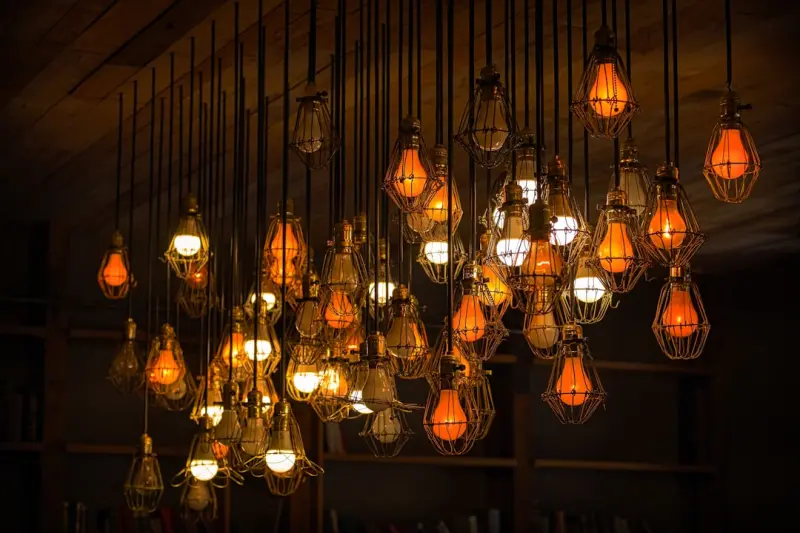
Why Lighting Matters More Than You Think
When I first moved into my downtown loft, I was dazzled by the open‑plan layout and the floor‑to‑ceiling windows. But after a few weeks, the space felt oddly flat. The problem wasn’t the furniture or the paint; it was the light. Light is the invisible architecture of a home, shaping how we feel, think, and even how we move through our day. In this post I’ll walk you through a series of low‑cost, high‑impact lighting tweaks that turn any room from “just a space” into a supportive, mood‑boosting environment.
1. Map Your Day, Then Map Your Light
Start by plotting the key activities that happen in each room. Is your kitchen a bustling breakfast hub? Does the living room double as a home‑office? Are you winding down with a book in the bedroom? Once you have that mental map, align your lighting sources to those activities. The goal is to create a light script—a sequence that supports your natural rhythm.
- Morning boost: Cool, bright light (5000‑6500 K) in the kitchen and bathroom helps signal your brain that it’s time to wake up.
- Mid‑day focus: Neutral white (3500‑4100 K) in work zones reduces eye strain and keeps you alert without the harsh glare of overhead fluorescents.
- Evening unwind: Warm amber (2700‑3000 K) in living and bedroom areas cues melatonin production, making it easier to transition to sleep.
Think of this as a digital sunset for your home: you’re deliberately dimming the visual noise as the day ends, just as you would switch off devices.
2. Layer, Don’t Just Flood
Good lighting is never a single source. It’s a layered composition of ambient, task, and accent light. Ambient light provides general illumination, task light focuses on specific activities, and accent light adds drama or highlights artwork.
In practice, this might look like a recessed ceiling fixture for ambient light, a sleek adjustable desk lamp for task work, and a couple of LED strip lights behind a bookshelf for accent. When each layer can be independently controlled, you gain the flexibility to fine‑tune the atmosphere without buying a new lamp every time.
3. Embrace Smart Bulbs—But Choose Wisely
Smart LED bulbs are the workhorses of modern lighting. They let you change color temperature, dim intensity, and set schedules with a tap on your phone or a voice command. However, not all smart bulbs are created equal. Here’s what I look for:
- Full spectrum range: A bulb that can swing from 2700 K to 6500 K covers sunrise to sunset.
- Reliable app integration: I prefer platforms that sync with both iOS and Android and have a robust API for future home‑automation expansions.
- Energy‑star rating: Even though LEDs are already efficient, the best models consume even less power.
Once you’ve installed a few smart bulbs, create “scenes” that align with the light script you mapped earlier. For example, a “Morning Rush” scene might turn on the kitchen’s cool white at 100 % brightness while dimming the living‑room lamps to 30 %.
4. Use Light to Define Zones
Open‑plan layouts often suffer from visual ambiguity—where does the kitchen end and the dining area begin? Light can act as a subtle boundary. Install pendant lighting over the kitchen island, and use a softer, dimmable flush‑mount fixture over the dining table. The contrast in illumination signals to your brain that you’re transitioning from food prep to eating, even without a wall.
In my own loft, I added a slim LED cove along the perimeter of the living‑room ceiling. When the cove is set to a gentle warm hue, it frames the space without the need for a physical partition. It’s an elegant, cost‑effective way to carve out distinct zones while maintaining visual flow.
5. Leverage Natural Light—Don’t Fight It
Artificial light is a supplement, not a replacement for daylight. Position mirrors opposite windows to bounce light deeper into the room. Use sheer curtains rather than blackout drapes (except for bedroom evenings). And if you have a south‑facing window, consider a light‑reflective interior paint—soft whites with a hint of warm undertone amplify the sun’s reach.
When the sun is at its strongest, I program my smart blinds to tilt just enough to diffuse glare while preserving the view. The result is a bright, inviting space that still feels comfortable for reading or video calls.
6. Create a Calm‑Down Corner with Breathable Light
Every home needs a small sanctuary where you can reset. I carved out a corner in my hallway, equipped with a low‑profile floor lamp that emits a soft, flickering glow mimicking candlelight. Pair this with a guided breathing routine and you have an instant stress‑reliever. If you’re curious about breathwork techniques, check out Unlocking Calm for a quick start.
The key is to keep the light level low enough to encourage the parasympathetic nervous system to engage, but not so dim that you feel sleepy. A color temperature around 3000 K and a dimming level of 20‑30 % works wonders.
7. Sync Light with Your Sleep Cycle
Science shows that exposure to blue‑rich light in the evening suppresses melatonin, making it harder to fall asleep. Most smart bulbs let you set “night mode” schedules that automatically shift from cool white to warm amber an hour before bedtime. Pair this with a “no‑screen” rule—your phone’s night‑shift mode can complement the lighting transition.
My personal routine: At 9 p.m., the living‑room lights dim to 40 % and shift to 2700 K, while the bedroom lamp stays at a barely perceptible 15 % warm glow. I then read a physical book for 20 minutes before lights go off completely. The consistency has improved my sleep latency dramatically.
8. Add Subtle Color for Mood Boosts
While warm whites dominate most of the day, a splash of color can lift spirits. Think about a single hue that resonates with the activity—soft teal for creative work, gentle lavender for meditation, or a vibrant amber for a dinner party. Most smart bulbs allow you to set a specific RGB value, so you can experiment without repainting walls.
A fun experiment I tried: during weekly family game night, I set the living‑room lights to a playful teal‑blue. The subtle shift turned an ordinary evening into a memorable event, and the kids even started calling it “the game‑night glow.”
9. Keep Energy Costs in Check
Smart lighting isn’t just about ambiance; it’s also a tool for sustainability. Use motion sensors in low‑traffic areas like closets and bathrooms to automatically turn lights off when not needed. Set schedules for outdoor fixtures so they only illuminate during dusk to dawn.
My favorite tip: create a “vacation mode” that mimics your usual lighting pattern while you’re away. It not only conserves energy but also deters potential intruders by giving the illusion someone is home.
10. Future‑Proof with Modular Fixtures
Technology evolves rapidly. Choose fixtures that are easy to upgrade—think of a basic socket that can accept both a standard LED bulb and a future‑proof smart module. This way, you won’t need to rip out wiring or replace whole fixtures when a new standard emerges.
Modular track lighting, for example, lets you swap out heads for different purposes—spotlight for reading, diffused flood for movie nights—without a full remodel. It’s an investment in flexibility that pays off as your lifestyle changes.
Putting It All Together: A Sample 24‑Hour Light Script
To make the concepts concrete, here’s a day‑long schedule you can copy, tweak, and expand:
- 6 a.m. – Sunrise Boost: Kitchen & bathroom cool white at 100 %.
- 8 a.m. – Commute Prep: Living‑room neutral white dimmed to 70 %.
- 9 a.m. – Work Zone: Home office task lamp at 4000 K, 80 % brightness.
- 12 p.m. – Lunch Pause: Kitchen warm white at 60 %.
- 2 p.m. – Creative Sprint: Studio teal accent light at 30 %.
- 5 p.m. – Transition: Living‑room lights shift to 3500 K, 50 %.
- 7 p.m. – Dinner Glow: Dining area amber at 80 %.
- 9 p.m. – Digital Sunset: All indoor lights warm to 2700 K, dim to 30 %.
- 10 p.m. – Calm‑Down Corner: Soft amber floor lamp 20 % for breathing exercises.
- 11 p.m. – Sleep Mode: Bedroom lights off, night‑light at 5 % amber.
This script is a template—you can add or subtract steps based on your own routines. The magic lies in consistency; the brain learns to associate lighting cues with activity, making transitions smoother and more intuitive.
Final Thoughts
Lighting is the silent partner in every home ritual. By treating it as a dynamic, programmable element rather than a static fixture, you empower yourself to shape mood, boost productivity, and protect your health—all while shaving a few dollars off your electricity bill. Start small: swap out one bulb, set a simple schedule, and watch how the change ripples through your day. The next time you step into a room, notice how the light feels—you might just find the missing piece that turns a house into a truly nurturing home.

Jessica Gills is a freelance writer carving a niche for herself by empowering others through her words. With a focus on careers, self-development, and business, she helps readers navigate the complexities of the modern professional landscape.
Related Posts
Transform Your Hallway into a Health‑Boosting Hub
Turn your often‑ignored hallway into a wellness corridor with lighting, scent, movement cues, and ... Read More
Quiet Corners and Clever Hacks: Transform Your Home into a Productivity Oasis
A step‑by‑step guide to turning everyday corners into quiet, efficient, and energizing zones, us... Read More

Multi‑Functional Furniture Secrets: Turn Every Corner Into a Purpose‑Built Zone
Discover practical, budget‑friendly strategies to turn any room into a multi‑functional zone, us... Read More
Top Posts

Beyond Tourist Trails: Crafting Meaningful Journeys Through Skill‑Based Travel
Turn every trip into a hands‑on classroom by immersing yourself in local crafts, cuisines, and practices. Learn how to choose authentic experiences, budget wi...Read More

Quiet Corners: DIY Acoustic Hacks for a Calmer Home
Learn practical, low‑cost ways to improve your home’s sound environment—from soft surfaces and DIY panels to strategic furniture placement—creating quie...Read More

Why Psychological Safety Is the Career Super‑Fuel You’ve Been Overlooking
Psychological safety is the hidden catalyst behind promotions and innovation. Learn why it matters, how to measure it, and practical steps to cultivate it for u...Read More

The Wild Prescription: How Forest Bathing Boosts Modern Health
Forest bathing, rooted in Japanese shinrin‑yoku, offers measurable health benefits—from reduced cortisol to enhanced immune function. Learn practical steps,...Read More
0 Comments
Post Comment
You will need to Login or Register to comment on this post!