

Rethinking Employment: From Transactional Jobs to Adaptive Talent Ecosystems
When I first stepped into the corporate world, the job description was a contract, the salary a paycheck, and the office a place you showed up at 9 am and left at 5 pm. Fast forward a few decades and the narrative has shifted dramatically. Today, employment is less about a static role and more about an evolving talent ecosystem that adapts, learns, and co‑creates with the organization.
The Myth of the “Job for Life” Is Dead
There was a time when a single job could sustain you for an entire career. That story is now a nostalgic footnote. The modern worker craves variety, purpose, and continuous growth. Companies that cling to the old “job for life” model risk becoming stagnant, while agile organizations treat each employee as a dynamic node in a broader network.
Data from multiple workforce studies show that over 70 % of employees plan to switch roles or employers within the next five years. The driving forces? A desire for new challenges, a need for skill diversification, and a search for alignment between personal values and corporate mission.
From Rigid Roles to Fluid Talent Pools
Instead of defining talent strictly by job titles, forward‑thinking firms are building fluid talent pools. Think of it as a talent marketplace inside the company, where employees can explore cross‑functional projects, short‑term gigs, and mentorship loops that match their evolving skill sets.
- Project‑Based Mobility: Teams form around specific initiatives and dissolve once objectives are met, allowing participants to rotate freely.
- Skill‑Marketplace Platforms: Internal tools let employees showcase emerging competencies, making it easy for managers to source the right expertise on demand.
- Learning‑First Contracts: Compensation packages now include dedicated learning budgets, guaranteeing that time spent upskilling is valued as highly as billable hours.
This approach mirrors the gig economy’s flexibility while preserving the security and benefits of full‑time employment.
The Role of Peer‑Led Communities
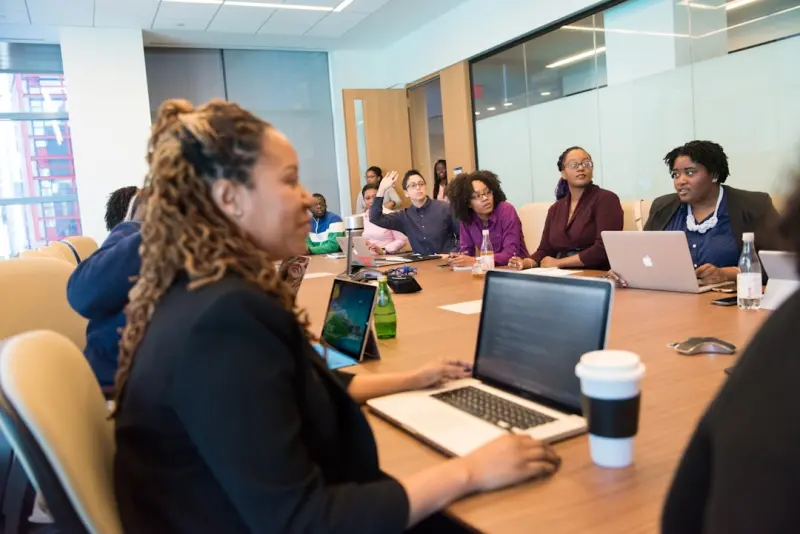
One of the most powerful catalysts for this shift is the rise of peer‑led communities. When people with shared interests congregate—whether around data science, product design, or sustainability—they create informal knowledge hubs that accelerate learning and innovation.
These communities often operate outside traditional hierarchies. They are self‑organizing, driven by curiosity, and backed by the organization’s strategic goals. The result? A workforce that is continuously refreshed with fresh ideas, new techniques, and diverse perspectives.
To illustrate, consider a company that launched an internal “Data Storytellers” group. Within six months, the group produced a series of visual dashboards that informed the executive board’s quarterly strategy. The initiative started as a hobby, yet it delivered tangible business value, proving that peer networks can be a goldmine for insight.
Embedding Continuous Feedback Loops
Feedback used to be an annual event—a performance review that most employees dreaded. In an adaptive talent ecosystem, feedback is continuous, multidirectional, and data‑rich. Real‑time platforms collect input from managers, peers, and even customers, turning performance into a living conversation.
When feedback is frequent and contextual, employees can course‑correct quickly, aligning their growth trajectory with business needs. Moreover, it reduces the anxiety associated with once‑yearly evaluations, fostering a culture of trust and transparency.
Technology as an Enabler, Not a Replacement
It’s easy to assume that AI and automation will replace human workers, but the smarter view sees technology as an enabler. Tools that surface skill gaps, recommend learning pathways, or match employees to projects are only as valuable as the humans who interpret and act on the insights.
Take a look at the insights from AI‑driven professional growth. The technology identifies patterns in employee performance and suggests micro‑learning modules. Yet the real magic happens when a manager pairs that recommendation with a mentorship conversation, turning data into personal development.
In practice, this means building a tech stack that supports:
- Skill Mapping: Algorithms that chart employee competencies against business objectives.
- Learning Pathways: Curated content libraries that adapt based on progress and feedback.
- Opportunity Matching: Real‑time alerts when a new project aligns with an employee’s skill profile.
Redefining Compensation: From Salary to Value Creation
Compensation packages are evolving beyond base pay and bonuses. Modern employees value value‑creation incentives—reward structures that tie earnings to measurable contributions, such as product launches, cost savings, or sustainability milestones.
This shift requires clear metrics and transparent reporting. When employees see how their work directly influences the bottom line, motivation spikes, and turnover drops. Moreover, it aligns individual ambition with corporate strategy, creating a win‑win scenario.
Inclusive Talent Strategies: Neurodiversity and Beyond
Inclusivity isn’t just a buzzword; it’s a competitive advantage. Companies that design hiring and development processes for neurodiverse talent unlock unique problem‑solving abilities. For example, individuals on the autism spectrum often excel in pattern recognition and system optimization—skills that are priceless in data‑intensive environments.
Building an inclusive ecosystem means:
- Designing interview processes that assess potential over conventional credentials.
- Providing workplace accommodations, such as quiet zones or flexible schedules.
- Creating mentorship programs that pair neurodiverse employees with allies who understand their communication styles.
Case Study: From “Job” to “Talent Journey”
A mid‑size software firm decided to pilot a talent‑journey program. They replaced traditional job titles with “role clusters”—broad categories like “Customer Success Enablement” or “Product Innovation Lab.” Employees could move laterally between clusters, accumulating badges for each skill mastered.
Within a year, the firm reported:
- 30 % reduction in time‑to‑fill critical project roles.
- 15 % increase in employee engagement scores.
- Significant uptick in cross‑functional collaboration, leading to three new product features that generated notable revenue.
The success was attributed to the blend of flexible talent pools, continuous feedback, and a technology platform that surfaced opportunities in real time.
Practical Steps for Leaders
If you’re a leader looking to transition from a static job model to an adaptive talent ecosystem, start small:
- Map Current Skills: Conduct a comprehensive audit of existing competencies across teams.
- Introduce a Pilot Project Pool: Create a temporary cross‑functional project and invite volunteers from different departments.
- Implement Real‑Time Feedback: Adopt a platform that captures quick, actionable input after each sprint or milestone.
- Invest in Learning Budgets: Allocate funds for employees to pursue micro‑courses, conferences, or certifications relevant to emerging needs.
- Celebrate Success Stories: Publicly recognize individuals who have navigated new roles or contributed to high‑impact projects.
These actions lay the groundwork for a culture where employment is seen as a journey rather than a destination.
The Future Is Adaptive
Employment will continue to morph as technology, demographics, and societal expectations evolve. The organizations that thrive will be those that view talent as a living ecosystem—flexible, interconnected, and continuously learning.
By embracing fluid talent pools, peer‑led communities, continuous feedback, and inclusive practices, you’ll not only future‑proof your workforce but also unlock a level of innovation that static job models simply can’t deliver.
In the end, the question isn’t “How do we keep employees?” but rather “How do we empower them to co‑create the future of work with us?”

Paul Flynn is a versatile freelance writer equipped with a diverse skillset and a portfolio that reflects his wide-ranging interests and expertise. From crafting compelling website copy and engaging blog posts to delivering in-depth articles and meticulously researched reports, Flynn demonstrates a remarkable ability to adapt his writing style to suit various audiences and purposes.
Related Posts

Skill Badges Are the New Currency of Career Progression
Micro‑credentials and skill badges are transforming employment by offering specific, verifiable pr... Read More

Dynamic, Outcome‑Focused Job Contracts for Modern Teams
Static job descriptions are holding your talent back. Learn how dynamic, outcome‑focused contracts... Read More
The Four‑Day Workweek Playbook: How to Pitch, Implement, and Thrive
Learn how to pitch a four‑day workweek, build a solid business case, negotiate with leadership, an... Read More
Top Posts

Reimagining Employment: The Hybrid Gig Contract Revolution
A deep dive into the hybrid gig contract—an innovative employment model that merges full‑time security with freelance freedom, delivering transparent compen...Read More

How to Turn Every Trip into a Personal Narrative Lab
Learn to transform any journey into a personal narrative lab by setting themes, capturing sensory details, and using simple tools—turning ordinary travel into...Read More
How Employee‑Led Learning Communities Are Shaping the Future of Work
Employee‑led learning circles turn peers into teachers, creating a dynamic growth engine that boosts engagement, skill development, and retention—learn how ...Read More

The Unseen Power of Mental Micro‑Resets in a Hyper‑Connected World
Micro‑resets—short, intentional breaks built into the workday—offer a practical, scalable way to protect mental health without sacrificing productivity....Read More
0 Comments
Post Comment
You will need to Login or Register to comment on this post!