

When I first moved into my third‑floor walk‑up, the only green I owned was a wilted pothos that seemed to thrive on neglect. I quickly learned that the lack of a traditional yard didn’t have to mean a lack of nature. Instead, I turned the most overlooked real estate on my apartment – the window ledge – into a seasonal showcase that not only brightens the room but also rewires my daily rhythm.
Why Window Boxes Deserve a Spot in Your Home Story
Most of us think of “garden” as a plot of earth behind a fence, but the concept is really about bringing life, texture, and scent into the spaces we inhabit. A well‑curated window box is a compact, low‑maintenance stage for that drama. It offers three core benefits that echo the larger principles of good home design:
- Micro‑climate control: The glass barrier moderates temperature swings, letting you grow herbs and blooms that might otherwise need a full‑sized garden.
- Visual anchoring: A splash of green or a burst of color becomes an instant focal point, reducing visual clutter and sharpening the room’s aesthetic.
- Psychological lift: Tending to a living arrangement, even a tiny one, releases dopamine and lowers stress – a tiny ritual that can reshape an entire day.
Choosing the Right Box – Form Meets Function
Before you dash to the nearest home‑goods store, consider these three dimensions:
- Depth – A 6‑inch box is perfect for herbs and shallow‑rooted annuals. Deeper (10‑12 inches) opens the door to dwarf tomatoes or even a mini salad mix.
- Material – Plastic is lightweight and weather‑proof but can look cheap. Ceramic adds texture but is heavy; consider mounting brackets. Wood
- Drainage – Whatever you pick, a layer of pea gravel or broken terracotta at the bottom prevents soggy roots. A simple drip edge on the outside of the box can channel excess water away from your sill.
Seasonal Planting Calendar for the Window Box
Think of your box as a living calendar. By aligning plant choices with the seasons, you create a dynamic backdrop that evolves with the year. Below is a simplified guide that works for most temperate zones; feel free to adjust for your local climate.
- Spring (March–May): Plant early‑blooming pansies, snapdragons, and dwarf sweet peas. Add culinary herbs like parsley and chives – they love the cooler mornings.
- Summer (June–August): Swap in heat‑tolerant marigolds, petunias, and compact basil. This is also the perfect time for dwarf pepper varieties that love the sunshine.
- Fall (September–November): Transition to ornamental kale, chrysanthemum miniatures, and cilantro, which prefers the crisp air.
- Winter (December–February): If you have a sunny, south‑facing window, keep hardy pansies and thyme. Otherwise, treat the box as a decorative container for evergreen sprigs or dried floral arrangements.
Soil Mix – The Unsung Hero
Store‑bought potting mixes are convenient, but a custom blend gives you control over drainage and nutrient release. I recommend a 50/30/20 ratio:
- 50% coarse pine bark or perlite for aeration
- 30% compost for organic nutrients
- 20% torrefied coconut fiber for moisture retention
Mix it thoroughly and moisten lightly before planting. This “light‑as‑air” substrate mimics the loose structure of a garden bed while staying lightweight enough for a balcony or high‑rise window.
Design Tricks That Turn a Box Into a Story
When I first installed my window box, I treated it like a miniature stage set. Here are three design tricks I’ve refined over the years:
- Color gradients: Plant tall, deep‑green foliage at the back, medium‑height blooms in the middle, and low, pastel flowers at the front. The eye naturally travels from depth to foreground, creating a sense of depth on a flat plane.
- Texture layering: Pair the soft, feathery leaves of baby’s tears (Soleirolia) with the glossy, waxy surface of rosemary. Contrasting textures make the arrangement feel richer.
- Functional flair: Use the box as a herb pantry. By placing culinary herbs at arm’s reach, you turn cooking into a fragrant, hands‑on experience. Plus, fresh herbs reduce the need for store‑bought packages, nudging you toward a more sustainable kitchen.
Maintenance Hacks for Busy Professionals
If you’re anything like me – juggling client calls, project deadlines, and the occasional yoga session – you need a maintenance routine that fits into a 10‑minute window. Try this three‑step weekly rhythm:
- Water check: Press your finger into the soil; if the top inch feels dry, water until you see a slow drip from the drainage holes.
- Deadhead: Snip away wilted petals to encourage rebloom and prevent disease.
- Fertilize light: A quick spray of a balanced, water‑soluble fertilizer (1‑2 teaspoons per gallon) once every two weeks keeps growth vigorous without over‑feeding.
Integrating Technology – Not a Gadget Overload, Just Smart Support
For the tech‑savvy homeowner, a tiny moisture sensor paired with a Bluetooth‑enabled water pump can turn a manual box into an almost‑self‑watering system. The sensor alerts your phone when soil moisture drops below a set threshold, and the pump delivers a measured dose of water. It’s a subtle way to blend the analog joy of gardening with the convenience of automation.
From Window Box to Whole‑Home Green Strategy
Starting small can inspire bigger changes. Once you’ve mastered the window box, you might consider:
- Adding a hanging pocket garden in the bathroom for air‑purifying ferns.
- Replacing a few decorative knick‑knacks on the coffee table with potted succulents that double as conversation starters.
- Creating a “green wall” of modular planter shelves in the hallway, turning a transit space into a living gallery.
Each step builds on the confidence you gain from your initial box, reinforcing a mindset that treats every corner of your home as a canvas for nature.
When to Seek Inspiration Elsewhere
Even the most seasoned plant lover can hit a creative block. That’s why I occasionally turn to broader resources for fresh ideas. For instance, the article on backyard oasis sparked a rethink of my own seasonal color palette, reminding me that bold, contrasting hues can be just as effective in a modest window box as they are in a sprawling lawn.
Similarly, the piece on home transformation highlighted the psychological impact of greenery on productivity. While the focus there was broader, the core lesson – that a touch of nature can sharpen focus – directly informed my decision to keep culinary herbs within arm’s reach of my stovetop.
Wrapping Up: A Small Box, A Big Impact
In the end, the window box is less about the size of the plant and more about the size of the intention behind it. It’s a micro‑project that teaches patience, celebrates seasonality, and adds a living brushstroke to your interior design. If you’ve never tried it, pick a simple herb mix, find a sunny sill, and let the rhythm of watering and watching sprout become a gentle anchor in your daily routine.
Remember, the goal isn’t to create a flawless botanical masterpiece but to cultivate a living habit that reminds you of growth, change, and the simple pleasure of seeing something thrive under your care. So, next time you glance at your window, ask yourself: what could blossom here?

Steph Sanderson is a Toronto-based freelance writer and content creator with a clear passion: crafting compelling articles. With a dedication to clear, engaging prose and a knack for storytelling, Steph brings a wealth of experience to every project.
Related Posts
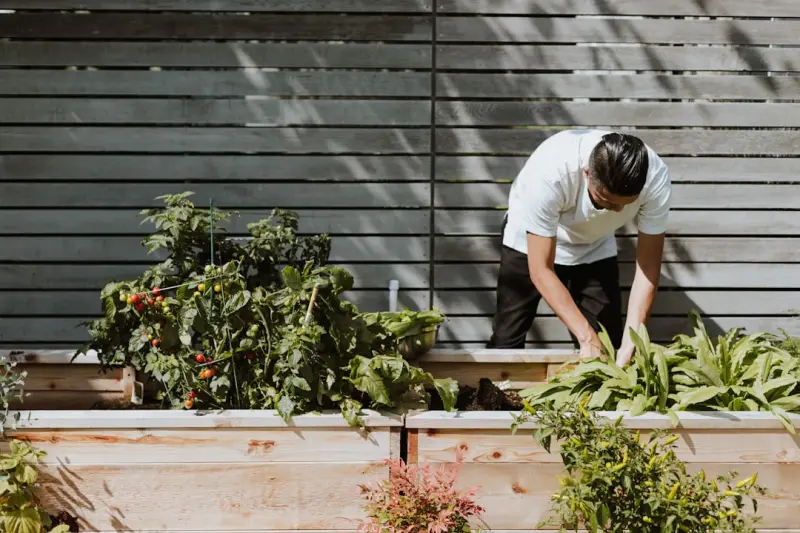
Vertical Edible Gardens: Harvesting Freshness on Your Home Walls
A step‑by‑step guide to building a vertical edible garden in compact homes, blending practical d... Read More
The Secret Life of Backyard Sanctuaries: Designing Spaces That Nurture Body and Soul
Miranda Murphy shares a step‑by‑step guide to creating a backyard sanctuary that balances sight,... Read More
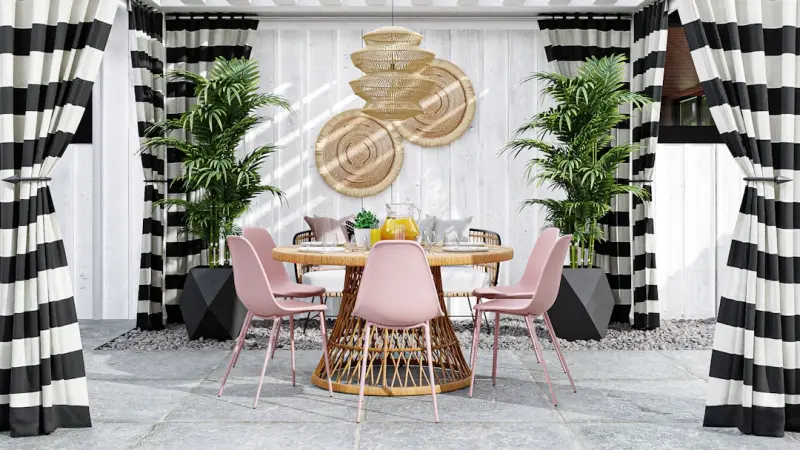
Designing a Year‑Round Outdoor Living Room: Comfort, Style, and Sustainability
Transform your backyard into a year‑round living room with strategic zoning, durable furnishings, ... Read More
Top Posts
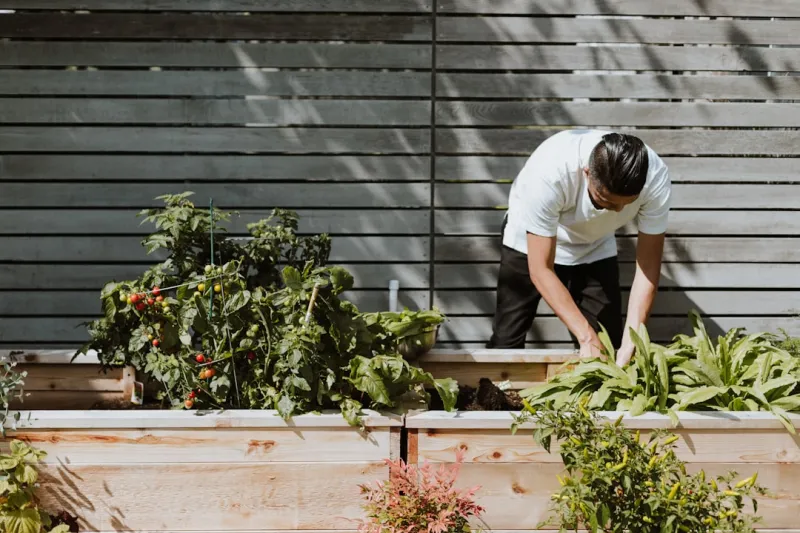
Cultivating Productivity: My Journey to a Garden Desk Haven
Explore the personal journey of turning a backyard into a vibrant workspace, where nature fuels focus, creativity, and a balanced home‑work harmony....Read More

Crafting an Internal Personal Brand That Propels Your Career
Discover a step‑by‑step approach to shaping your internal personal brand, from narrative crafting to cross‑functional projects, and turn everyday work int...Read More

Beyond the Desk: Unconventional Ways to Boost Your Immune Resilience
Explore fresh, actionable health habits that go beyond typical wellness advice, focusing on air quality, micro‑movement, hydration, light exposure, sleep arch...Read More

Personalized Nutrition: Decoding Your DNA for a Healthier You
Discover how genetic testing can transform your eating habits. Learn to interpret DNA reports, make targeted food swaps, and combine lifestyle hacks for a diet ...Read More
0 Comments
Post Comment
You will need to Login or Register to comment on this post!