
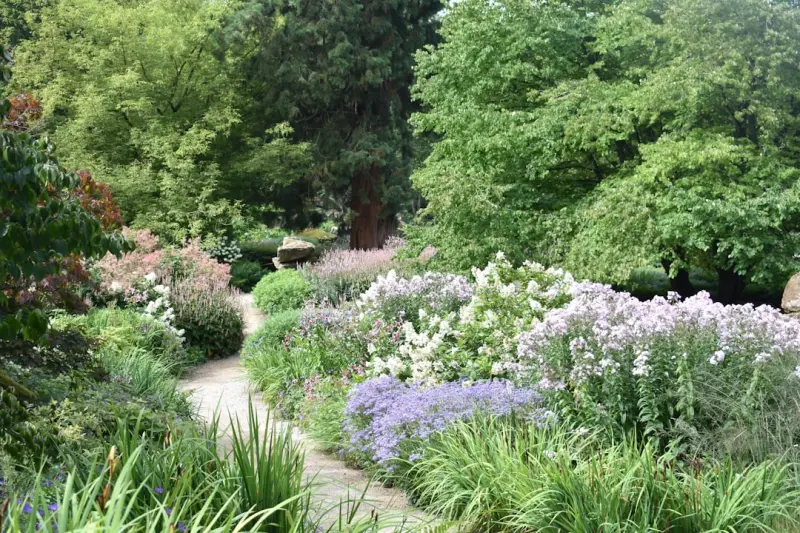
Edible Landscaping: Designing a Garden That Feeds the Soul and the Stomach
When I first inherited a modest lot behind my childhood home, I saw it as a blank canvas—an opportunity to blend the visual poetry of a traditional garden with the practical bounty of a kitchen garden. The result? An edible landscape that feels like a curated art installation, yet supplies fresh herbs, fruits, and vegetables right at my doorstep. This approach goes beyond “growing food” or “planting pretty flowers.” It’s about orchestrating color, texture, scent, and taste into a single, living masterpiece that nourishes both body and mind.
Why Edible Landscaping Works for Modern Lifestyles
Today’s homeowners juggle demanding careers, digital overload, and a growing desire for sustainability. Edible landscaping answers these pressures in three powerful ways:
- Visual Appeal: By selecting fruit‑bearing shrubs, ornamental kale, and flowering herbs, you create a garden that looks as polished as any ornamental design.
- Food Security: A well‑planned edible garden can supply a meaningful portion of your weekly produce, reducing grocery trips and waste.
- Therapeutic Value: Tending to plants that you’ll eventually eat deepens the sense of accomplishment and connection to the land, a subtle yet potent antidote to screen fatigue.
In practice, the line between “garden” and “kitchen” blurs. Imagine strolling past a row of purple‑flowered basil that doubles as a fragrant border, or admiring a hedge of dwarf apple trees that doubles as a living fence. The garden becomes a daily source of inspiration and nourishment.
Key Principles for a Successful Edible Landscape
Creating an edible landscape that feels intentional rather than haphazard requires a strategic mindset. Below are the core principles I follow, each with a short “how‑to” tip you can apply this weekend.
1. Start with a Master Plan
Before you buy a single seed packet, sketch a site plan that maps sunlight patterns, soil types, and existing hardscape. Use a simple grid on graph paper or a digital garden planner. Identify zones where you’ll place:
- Sun‑loving fruit trees (full sun, 6+ hours)
- Partial‑shade herbs (north‑facing walls, under taller perennials)
- Ground‑cover edibles that also act as mulch (strawberries, creeping thyme)
By aligning plant needs with micro‑climates, you set the stage for low‑maintenance success.
2. Choose Multi‑Purpose Plants
Every plant should serve at least two functions: aesthetics and edibility. Some of my favorites include:
- Lavender – Silvery foliage, fragrant spikes, and culinary buds for desserts.
- Blueberry bushes – Autumn color, winter berries, and a natural privacy screen.
- ornamental kale – Bold, graphic leaves in winter, and tender greens for salads.
These selections keep the garden looking vibrant year‑round while delivering harvestable produce.
3. Layer for Visual Depth
Borrow the classic “layered garden” technique from landscape design: place taller, structural elements at the back, medium‑height shrubs in the middle, and low‑lying groundcovers at the front. This creates a tiered look that guides the eye and makes the space feel larger. In an edible context, a row of dwarf citrus trees can serve as a backdrop to a wave of rosemary and thyme, while creeping strawberries spill over the garden edge.
4. Incorporate Seasonal Interest
To avoid a garden that looks barren in winter, select plants that offer visual cues throughout the year:
- Winter: Hellebores with their rose‑colored blooms, and evergreen rosemary for year‑round fragrance.
- Spring: Rhubarb stalks emerge early, brightening the bed.
- Summer: Tomatoes and zucchini provide lush foliage and fruit.
- Fall: Pomegranate trees burst with ruby fruit, while chicory leaves turn amber.
This rotating palette keeps the garden fresh and encourages continuous harvest.
5. Embrace the Power of Containers
If you’re limited on ground space, think vertically. Large terracotta pots, reclaimed wooden crates, and even repurposed pallets can host dwarf fruit trees, herbs, and salad greens. Containers also let you experiment with different soil mixes, making it easier to fine‑tune conditions for each species.
Practical Steps to Get Started This Weekend
Even if you’re a busy professional, you can lay the groundwork for an edible landscape in a single weekend. Here’s a quick‑start checklist:
- Assess Sunlight: Use a smartphone app or a simple notebook to track which parts of your yard receive full, partial, or dappled sun over a week.
- Test Soil: Purchase a basic pH test kit. Most edible plants thrive in a range of 6.0‑7.0; amend with compost if needed.
- Pick Three Star Plants: Choose one fruit tree, one herb, and one ornamental edible (like kale or chard). This limited scope keeps the project manageable.
- Sketch a Rough Layout: Mark where each plant will go, respecting height hierarchy.
- Source Materials: Visit a local nursery for locally adapted varieties; ask staff for “edible landscaping” recommendations.
- Plant and Mulch: Follow planting depth guidelines, water in deeply, and add a 2‑inch layer of organic mulch to retain moisture.
- Set a Harvest Calendar: Note expected harvest windows on your phone or a garden journal. This turns the garden into a predictable source of fresh produce.
Integrating Edible Landscaping with Home Design
Beyond the garden beds, think about how edible elements can flow into interior spaces. A herb wall in the kitchen, a fruit‑tree window box, or a living room patio with dwarf citrus in stylish containers can blur the line between indoor and outdoor living. These touches not only enhance aesthetics but also keep fresh ingredients within arm’s reach, encouraging healthier cooking habits.
For inspiration on how to weave plants into your living environment, check out Simple Shifts for a Calmer, More Productive Space. The article highlights subtle design changes that amplify both visual harmony and functional efficiency—a perfect companion piece for anyone looking to extend garden benefits indoors.
Technology Meets Tradition: Smart Soil Sensors
While the ethos of edible landscaping feels timeless, modern tools can make the process smoother. Soil moisture sensors, connected to a smartphone app, alert you when a plant needs watering, preventing both under‑ and over‑irrigation. Some devices even measure nutrient levels, guiding you on when to add compost or specific fertilizers. Integrating these tools into your garden routine saves time and reduces guesswork, allowing you to focus on design and harvest.
If you’re curious about other low‑tech, high‑impact habits that boost home well‑being, you might enjoy the Microbreak Mastery article. Tiny, intentional pauses can make garden maintenance feel less like a chore and more like a restorative practice.
Seasonal Care: Keeping Your Edible Landscape Thriving Year‑Round
Just as you would rotate crops in a traditional farm, rotate plant varieties in your garden to maintain soil health. Here’s a seasonal care calendar to keep your edible landscape flourishing:
- Early Spring: Prune dormant fruit trees, sow lettuce and peas directly into the soil, and start mulching.
- Late Spring: Transplant seedlings, add a balanced organic fertilizer, and begin regular watering.
- Summer: Harvest regularly to encourage continuous production, stake tall tomatoes, and monitor for pests.
- Fall: Plant garlic cloves and cover crops, prune back perennials, and collect fallen fruit for compost.
- Winter: Protect tender plants with frost cloth, maintain mulch depth, and plan next year’s layout.
Consistent attention transforms your garden from a seasonal novelty into a reliable, year‑long source of flavor and beauty.
Community and Sharing: Turning Your Garden into a Neighborhood Asset
One of the most rewarding aspects of edible landscaping is the social ripple effect. When neighbors see vibrant fruit trees or fragrant herb borders, curiosity follows. Host a “harvest swap” where neighbors trade surplus produce, or organize a small workshop on container herbs. Such gatherings not only foster community but also reinforce your own commitment to the garden.
Final Thoughts: A Garden That Grows With You
Edible landscaping isn’t a static project; it evolves as your tastes, schedule, and environment change. By treating your garden as a living, breathing extension of your home, you create a space that feeds the soul, the palate, and the planet. The next time you step onto your porch, imagine a world where every splash of color is also a promise of flavor—a garden that looks as good as it tastes.
Ready to start? Grab a sketchpad, a soil tester, and a handful of seed packets. Your edible landscape awaits, ready to become the centerpiece of both your home’s aesthetic and its culinary story.

Paul Flynn is a versatile freelance writer equipped with a diverse skillset and a portfolio that reflects his wide-ranging interests and expertise. From crafting compelling website copy and engaging blog posts to delivering in-depth articles and meticulously researched reports, Flynn demonstrates a remarkable ability to adapt his writing style to suit various audiences and purposes.
Related Posts
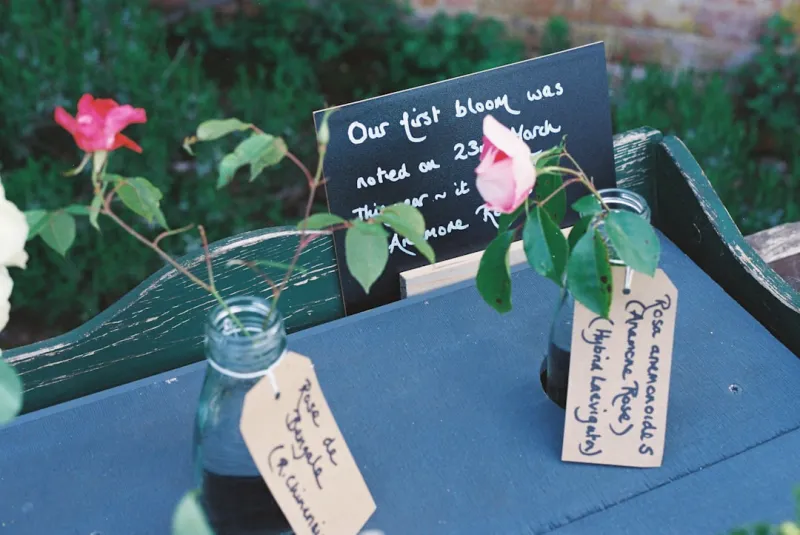
Garden Desks: How Rose DesRochers Is Redefining Home & Garden Living
Rose DesRochers shares her personal journey turning backyard spaces into thriving green workstations... Read More
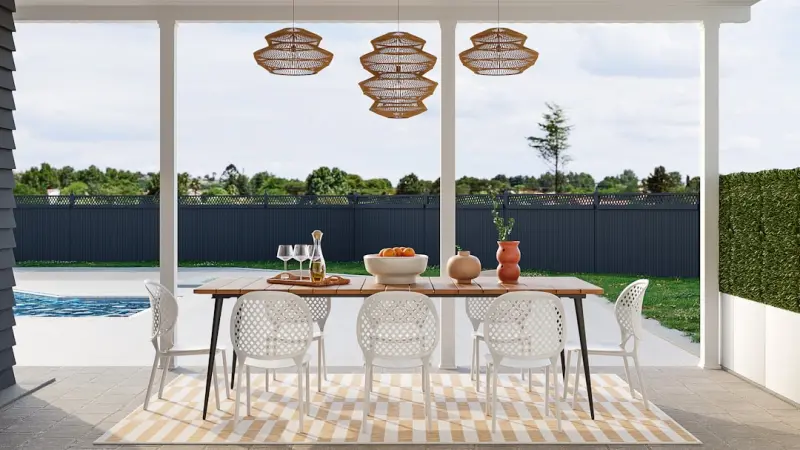
Designing an Outdoor Living Room That Feels Like an Indoor Retreat
Discover how to turn any patio into a year‑round outdoor living room with modular furniture, smart... Read More

Transform Your Backyard into a Captivating Night Garden
Discover how to turn your garden into a luminous nightscape with layered lighting, nocturnal plants,... Read More
Top Posts

Cold Exposure: Tiny Chills, Big Wellness Wins
Explore the surprisingly powerful health perks of everyday cold exposure—from icy showers to brief outdoor chills—and how to safely add these tiny temperatu...Read More

Turning Layovers Into Mini‑Adventures: A New Travel Playbook
Learn to transform ordinary layovers into intentional mini‑adventures that sharpen adaptability, deepen sensory experiences, and enrich every journey....Read More
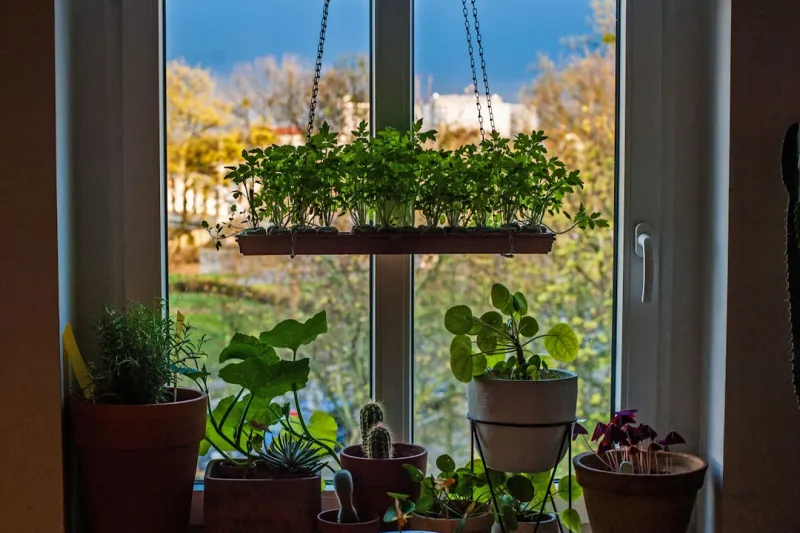
Garden Desk Mastery: Transforming Home Life with Outdoor Workspaces
Turn your backyard into a thriving workspace. Learn design tips, productivity hacks, and seasonal care to make a garden desk the heart of your home life....Read More

Garden Desks: My 2026 Journey from Office Cubicle to Backyard Oasis
Jimmy Damon reveals his shift from a cramped office to a sun‑lit garden desk, detailing design hacks, health benefits, and eco‑friendly upgrades that redefi...Read More
0 Comments
Post Comment
You will need to Login or Register to comment on this post!