
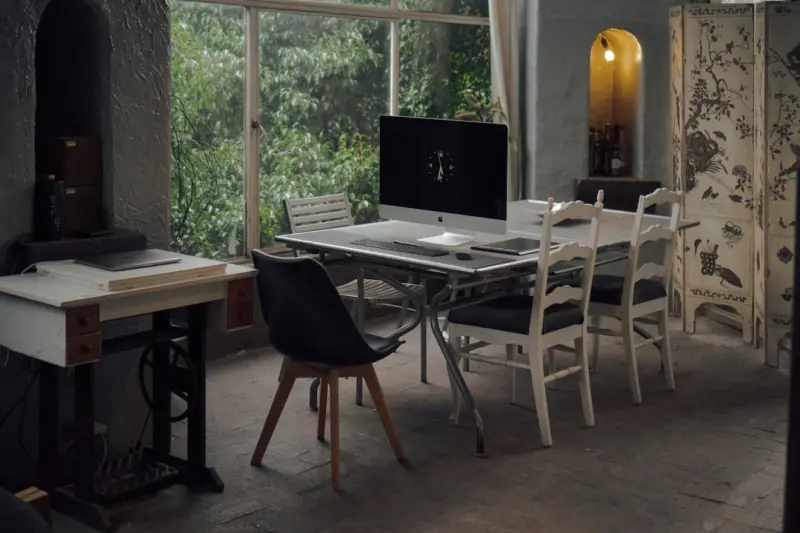
Reimagining Home Comfort: The Upcycled‑Furniture Office Makeover
Ever walked into a room and felt an instant click—as if the space itself whispered, “You belong here”? I’ve had that moment more times than I care to admit, especially when I’m juggling a freelance gig, a growing side hustle, and the occasional late‑night brainstorming session for a client. The secret sauce? A home office that feels less like a workstation and more like a curated gallery of second‑hand treasures.
Most of us have inherited the myth that productivity thrives in a sterile, all‑white environment. But let’s be real: the perfect office isn’t a blank canvas; it’s a storytelling canvas. It’s the place where a reclaimed wooden desk, a repurposed vintage filing cabinet, and a hand‑stitched rug all converse about who you are and where you’re headed. In this guide, I’ll walk you through the step‑by‑step process of building a high‑performing home office using upcycled furniture, while keeping sustainability, ergonomics, and style at the forefront.
Why Upcycling Beats Buying New
Before we dive into the nitty‑gritty, let’s talk motivation. Upcycling isn’t just a buzzword for the eco‑savvy; it’s a strategic move for anyone looking to maximize ROI on home comfort.
- Cost Efficiency: A solid reclaimed wood table can cost a fraction of a brand‑new counterpart—often under $100 versus $400.
- Unique Aesthetic: Each piece carries its own history, adding character that mass‑produced furniture can’t replicate.
- Environmental Impact: By diverting wood, metal, and fabric from landfills, you’re actively reducing carbon footprints.
- Customization Potential: A raw piece invites you to sand, stain, paint, or upholster it exactly to your taste.
Think of upcycling as the DIY equivalent of curating a personal museum—each artifact is a conversation starter, and each conversation fuels creativity.
Scouting the Treasure Trove
Finding the right pieces is part adventure, part detective work. Here’s how I make the hunt both efficient and rewarding.
- Local Thrift Stores: Places like Goodwill and Habitat for Humanity’s ReStore often have hidden gems waiting for a fresh coat of paint.
- Estate Sales & Garage Sales: Early mornings are prime time; sellers are eager, and you’ll face less competition.
- Online Marketplaces: Platforms such as Facebook Marketplace, Craigslist, and OfferUp let you filter by “free” or “low‑price” listings.
- Community Swap Events: Many neighborhoods host “Swap Meets” where you can trade your old bookshelf for a sturdy desk.
When evaluating a piece, keep an eye out for structural integrity—no wobbly legs, no cracked surfaces, and a solid frame. Even if the finish is dated, the underlying build quality is what matters.
Blueprint: Designing a Flow‑Friendly Layout
Now that you have your raw materials, it’s time to map out the space. The goal is to create a layout that promotes movement, focus, and a splash of inspiration.
- Identify Your Core Zones: Typically, you’ll need a work surface, storage, and a relaxation nook. If space permits, add a “brain‑storming wall” for whiteboard doodles.
- Orient Toward Natural Light: Position your primary desk near a window to harness daylight—this isn’t just about aesthetics; natural light improves alertness and reduces eye strain. For deeper insights on light‑smart design, check out sunlight‑smart design.
- Maintain a Clear Path: Ensure at least a 3‑foot clearance around the desk for easy movement. This prevents the dreaded “clutter trap” where you’re constantly navigating around boxes.
- Integrate Greenery: Even a modest windowsill herb garden can boost morale. If you have a yard, consider regenerative yard ideas to extend the indoor‑outdoor synergy.
Step‑by‑Step: Transforming the Finds
Below is my go‑to workflow for turning a drab find into a functional masterpiece.
1. Clean & Assess
Give each piece a thorough cleaning—warm water, mild detergent, and a soft brush. Inspect for hidden damage: loose screws, warped boards, or insect infestations.
2. Sand & Prep
For wood, start with 80‑grit sandpaper, progressing to 120‑grit for a smoother finish. Metal frames may need rust removal—use a wire brush and a rust converter.
3. Paint, Stain, or Refinish
Choose a finish that matches your overall palette. I love a matte charcoal stain on reclaimed oak for a modern‑industrial vibe. For metal, a powder‑coat in matte black adds durability.
4. Upholster (If Needed)
Old chairs can be revived with fresh foam and fabric. Opt for breathable, natural fibers like linen or hemp for comfort during long work sessions.
5. Add Functional Accents
Install cable management clips, add a pegboard for tools, or mount floating shelves for books. These touches keep the workspace tidy and visually appealing.
6. Personalize
Finally, sprinkle in personal items—a vintage clock, a framed travel photo, or a handmade ceramic mug. These items anchor the space in your personal narrative.
Ergonomics Meets Aesthetics
Comfort is non‑negotiable. Even the most beautiful desk won’t help if it induces back pain. Here’s how to marry ergonomics with the upcycled aesthetic.
- Desk Height: Aim for a surface height where your elbows form a 90‑degree angle when typing—typically 28‑30 inches for most adults.
- Chair Support: If the original chair is too low, add a sturdy, upholstered cushion or replace the base with a reclaimed wooden stool that matches the desk.
- Monitor Placement: Position the top of the screen at eye level, roughly an arm’s length away.
- Lighting: Supplement natural light with a daylight‑balanced desk lamp (4000‑5000 K) to reduce eye fatigue.
Invest in a good ergonomic mouse and keyboard—these are cheap compared to medical bills.
Keeping the Space Fresh: Maintenance Hacks
Upcycled spaces, like any living environment, need routine love. Here are my go‑to maintenance habits:
- Weekly Dust‑Wipe: A microfiber cloth keeps surfaces spotless without scratching.
- Quarterly Re‑Stain: Lightly sand and reapply a protective sealant to wood surfaces to maintain luster.
- Seasonal Declutter: Every few months, reassess what’s on your shelves. Remove anything that no longer serves a purpose.
- Plant Care: Trim dead leaves, rotate pots for even sunlight exposure, and water according to each plant’s needs.
Case Study: My Own Upcycled Office Transformation
To illustrate the process, I’ll share a before‑and‑after snapshot of my own office.
- Original Find: A 1960s walnut writing desk with a chipped veneer, a metal filing cabinet with dented doors, and a mismatched upholstered armchair.
- Process:
- Stripped the desk’s veneer, sanded down to the solid wood, and applied a dark walnut stain.
- Repaired the filing cabinet’s hinges, painted it matte black, and added brass drawer pulls for a retro feel.
- Reupholstered the armchair with a teal linen fabric, swapping the original springs for a supportive foam core.
- Result: A cohesive, stylish workstation that feels like a blend of a vintage library and a modern studio. Productivity spiked—my average daily focus sessions grew from 2 to 4 hours.
Budget Breakdown (All Prices Approximate)
| Item | Source | Cost |
|---|---|---|
| Walnut Desk (upcycled) | Estate Sale | $60 |
| Metal Filing Cabinet | Thrift Store | $25 |
| Upholstery Fabric (2 yards) | Online Retailer | $30 |
| Foam Cushion | Home Improvement Store | $15 |
| Sanding Supplies | Hardware Store | $10 |
| Stain & Sealant | Hardware Store | $20 |
| Desk Lamp (daylight) | Online | $35 |
| Plants (3 small) | Local Nursery | $18 |
| Total | $213 |
Compare that to a brand‑new ergonomic office set that can easily top $800. The upcycled route saved me over 70% while delivering a space that’s uniquely mine.
Beyond the Office: Extending the Upcycling Mindset
Once you’ve mastered the home office, the principles translate seamlessly to other rooms. Imagine a dining table built from an old pallet, a bookshelf crafted from reclaimed ladder rungs, or a bathroom vanity made from a refurbished vintage dresser. The core ideas—search, refurbish, personalize—remain constant.
Final Thoughts: Your Space, Your Story
At its heart, an upcycled home office isn’t just a cost‑saving hack; it’s a narrative device. Every grain of wood, every brushed‑off rust spot, tells a part of your journey. By curating a workspace that reflects your values—sustainability, creativity, and intentional living—you set the stage for better work, clearer ideas, and a deeper sense of belonging.
So the next time you glance around your current setup and feel that itch for change, remember: the perfect office might be waiting in a nearby thrift store, ready for you to breathe new life into it. Grab a sandpaper, a splash of stain, and start shaping the space that will power your next big breakthrough.

Jimmy Damon loves to right on a large scale of topics with all things Canadian as this Montreal die hard loves hockey. fishing and sports.
Related Posts
Dynamic Zoning: Transform Every Room into a Flexible Work, Rest, and Play Space
Learn to reshape your home’s rooms into adaptable zones that boost productivity, comfort, and funâ... Read More
The Entryway Overhaul: Turning Your Front Door Space Into a Stress‑Busting Power Zone
A well‑designed entryway can lower stress and boost mood. Learn practical steps—decluttering, fu... Read More

Sound‑Smart Home: Crafting Audio Zones for Focus, Calm, and Joy
Discover how to turn everyday noises into purposeful soundscapes by auditing your home’s acoustics... Read More
Top Posts

Tiny Terraces, Big Harvests: Mastering Small‑Space Gardening
Learn how to maximize limited outdoor space with vertical gardens, smart watering, and seasonal planting for fresh harvests all year round....Read More

When AI Learns to Listen: Building Empathetic Machines
A deep dive into designing AI that truly listens, covering prompt engineering, real‑world use cases, ethical guardrails, and a practical framework for buildin...Read More

From Garden Soil to Office Success: Rose DesRochers Redefines Home & Garden Living
Rose DesRochers shares her journey of turning a backyard garden into a vibrant office, offering practical tips and inspiring stories that reshape home and work ...Read More

Adaptogenic Skincare: Harnessing Nature’s Stress‑Busters for Modern Personal Care
Adaptogenic skincare blends ancient herbal wisdom with modern science, offering a holistic approach that balances cortisol, boosts cellular energy, and reinforc...Read More
0 Comments
Post Comment
You will need to Login or Register to comment on this post!