
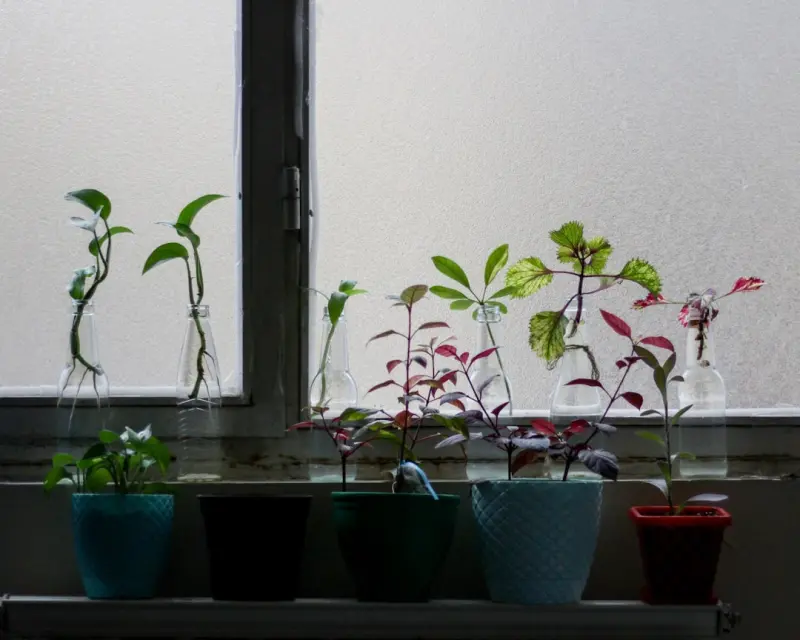
When I first inherited my tiny apartment’s only window ledge, I thought of it as a decorative shelf for a few succulents. A few weeks later, that modest strip of real‑estate turned into a thriving micro‑garden, and the transformation was nothing short of a health revelation. The experience taught me that even the smallest patches of green can become power stations for our immune system, mood, and cognitive sharpness. In this post, I’ll walk you through the science behind indoor micro‑gardening, share practical steps to get started, and reveal how tending to a handful of leaves can become a daily ritual that nurtures body, mind, and spirit.
Why Tiny Gardens Pack a Big Health Punch
It’s easy to dismiss a windowsill herb garden as merely aesthetic, but research tells a different story. Plants engage in a subtle dance with our environment: they filter volatile organic compounds (VOCs) from the air, release oxygen, and emit phytoncides—organic compounds that boost natural killer cell activity, a key component of our immune defense. Moreover, the visual presence of greenery triggers the brain’s biophilic response, a deep‑seated affinity for nature that lowers cortisol and blood pressure.
Beyond air quality, micro‑gardening offers nutritional benefits. Fresh herbs like basil, mint, and cilantro are rich in antioxidants, vitamins, and essential oils that aid digestion and reduce inflammation. The act of harvesting your own greens also encourages mindful eating; you’re more likely to incorporate those flavors into meals when you’ve nurtured them yourself.
From Light to Life: The Role of Ambient Lighting
One of the biggest hurdles for indoor gardeners is providing the right light. While high‑intensity grow lights can be effective, they often clash with the desire for a calm, health‑focused home environment. Instead, consider optimizing natural light by placing your garden near a south‑facing window and using reflective surfaces—like a light‑colored tray or mirrored backdrop—to bounce sunlight onto the plants. If natural light is limited, low‑intensity LED panels that mimic the full spectrum of daylight can sustain growth without overstimulating your circadian rhythm.
Interestingly, the same light that fuels photosynthesis also influences your melatonin production. Exposure to bright, blue‑rich light in the morning helps reset your internal clock, while dimmer, warmer light in the evening signals it’s time to wind down. By aligning your plant‑care schedule with these light cues, you create a harmonious loop: the plants thrive, and so does your sleep architecture.
Breathing New Life into Your Routine
Plant care is more than a visual activity; it’s a full‑body experience. When you water, prune, or gently dust leaves, you naturally engage in slow, deliberate breathing. This mindful respiration mirrors techniques outlined in Breath, Balance, and the Brain, where deep diaphragmatic breaths activate the parasympathetic nervous system, reducing stress and improving focus. By pairing plant‑care with intentional breathing, you amplify the calming effect, turning a simple chore into a therapeutic ritual.
Micro‑Movements, Macro Benefits: Adding Activity to Your Day
Even a brief stretch to reach a high shelf or a squat to re‑pot a seedling counts as Micro‑Movements. These tiny bursts of activity accumulate over the day, counteracting the sedentary lifestyle that many of us lead, especially when working from home. Integrating plant maintenance into your schedule ensures you get up, move, and reset without carving out additional workout time.
Choosing the Right Plants for Health and Space
Not all plants are created equal when it comes to health benefits. Here’s a quick guide to the most effective species for a compact indoor garden:
- Spider Plant (Chlorophytum comosum) – Excellent at removing formaldehyde and xylene.
- Aloe Vera – Provides soothing gel for skin burns and supports digestive health when consumed in small, food‑grade amounts.
- Lavender (Lavandula angustifolia) – Releases calming scents that can reduce anxiety and improve sleep quality.
- Herbs (Basil, Mint, Parsley, Thyme) – High in antioxidants, vitamins A, C, K, and can be incorporated directly into meals.
- Snake Plant (Sansevieria trifasciata) – Continues to produce oxygen at night, supporting better sleep.
When selecting plants, consider both their air‑purifying capabilities and their ease of care. For beginners, start with resilient varieties like spider plant and snake plant; they tolerate irregular watering and lower light levels.
Soil, Water, and Nutrient Basics
High‑quality, well‑draining potting mix is the foundation of a healthy micro‑garden. Avoid garden soil, which can compact and retain excess moisture, leading to root rot. A blend of peat moss, perlite, and compost provides aeration and moisture control. For nutrients, a balanced, water‑soluble fertilizer applied once a month keeps growth vigorous without over‑feeding, which can cause foliage burn.
Watering is an art. Over‑watering is a common mistake; most indoor plants prefer the “soak and dry” method—water thoroughly, let excess drain, then wait until the top inch of soil feels dry before the next watering. Using a moisture meter can take the guesswork out of the process.
Integrating Plant Care into Your Evening Reset
Evening routines often focus on screens and quick tidying, but a gentle plant‑care session can serve as a calming Evening Reset. Spend five minutes pruning dead leaves, misting foliage, or simply observing the subtle movements of your plants as they sway in the evening light. This practice signals to your brain that the day is winding down, promoting a smoother transition to sleep.
Mindful Harvest: From Garden to Plate
The moment you snip fresh basil for a pasta sauce, you engage multiple senses—sight, smell, touch, and taste—creating a multi‑sensory experience that heightens satisfaction and reduces mindless snacking. Fresh herbs are also packed with volatile oils that can boost digestion and enhance nutrient absorption. For example, the menthol in mint relaxes gastrointestinal muscles, while the eugenol in basil has anti‑inflammatory properties.
Tracking Progress: The Science of Plant‑Based Metrics
Just as you might log workouts or meals, consider keeping a simple plant journal. Note the dates of watering, fertilizing, and any growth milestones (new leaves, flowering). Over time, you’ll notice patterns that align with your own health indicators—energy levels, mood swings, or sleep quality. This feedback loop reinforces the connection between nurturing plants and nurturing yourself.
Community and Knowledge Sharing
Micro‑gardening doesn’t have to be a solitary pursuit. Online forums, social media groups, and local workshops provide platforms to exchange tips, troubleshoot issues, and celebrate successes. Sharing photos of your thriving window ledge can inspire others to start their own green corners, creating a ripple effect of health benefits across your community.
Common Pitfalls and How to Avoid Them
- Neglecting Light – If leaves turn yellow or leggy, move the plant closer to the window or add supplemental LED lighting.
- Over‑watering – Let the soil dry between waterings; use a saucer to prevent standing water.
- Pest Intrusion – Inspect leaves regularly for spider mites or aphids; a gentle spray of diluted neem oil can keep infestations at bay.
- Ignoring Air Circulation – A small fan set on low helps strengthen plant stems and prevents mold growth.
Scaling Up: From One Ledge to a Green Oasis
If your window ledge proves successful, consider expanding vertically with wall‑mounted planters or a hanging garden. Modular systems like pocket organizers allow you to layer herbs, succulents, and decorative foliage without sacrificing floor space. As your plant collection grows, so does the cumulative health impact—more surface area for air purification, increased opportunities for fresh ingredients, and a greater visual connection to nature.
Conclusion: The Tiny Garden, The Big Return
Micro‑gardening is a low‑cost, low‑maintenance strategy that yields outsized health returns. By curating a small ecosystem of resilient plants, you invite cleaner air, richer nutrients, mindful moments, and gentle movement into your daily life. Whether you’re a busy professional, a remote worker seeking a break from the screen, or simply someone craving a touch of green, your windowsill can become a health sanctuary—without the need for a sprawling backyard.
Start small, stay consistent, and watch how a few pots of life can transform not just your home, but your whole sense of well‑being.

When it comes to the world of blogging and writing, Rose DesRochers is a name that stands out. Her passion for creating quality content and connecting with her audience has made her a trusted voice in the industry. Aside from her skills as a writer and blogger, Rose is also known for her compassionate nature.
Related Posts

Micro‑Movement Moments: Recharging Your Body in a Desk‑Centric World
Micro‑movement moments are short, intentional bursts of activity that counteract the toll of prolo... Read More
Breathing Into Health: Simple Practices for Immune Strength
Karen Edwards explains why intentional breathing is a powerful, low‑cost tool for strengthening im... Read More
Micro‑Movements at Your Desk: Tiny Actions, Big Health Gains
Mei Chen shares a practical guide to integrating micro‑movements into a busy workday, explaining t... Read More
Top Posts

The Four-Day Workweek Revolution: Redefining Success in Modern Employment
A deep dive into the four‑day workweek: why it works, how it fuels creativity, and the leadership mindset needed to turn reduced hours into a competitive adva...Read More

From Gateways to Growth Labs: Turning Transit Hubs into Personal Innovation Studios
Learn to repurpose airports, train stations, and cafés into micro‑learning labs, community hubs, and sensory reset zones, turning every layover into a cataly...Read More

Why Outdoor Desks Are the Secret Weapon for Modern Workers
A personal look at how swapping a cubicle for a garden desk can transform productivity, morale, and the future of work, complete with practical tips and insider...Read More

Why Your Desk Needs a Movement Minute (And How to Make It Stick)
Micro‑movement breaks are a low‑effort habit that can counteract the health risks of prolonged sitting, boost circulation, and sharpen mental clarity, makin...Read More
0 Comments
Post Comment
You will need to Login or Register to comment on this post!