
Why Regenerative Outdoor Spaces Are the Future of Home & Garden
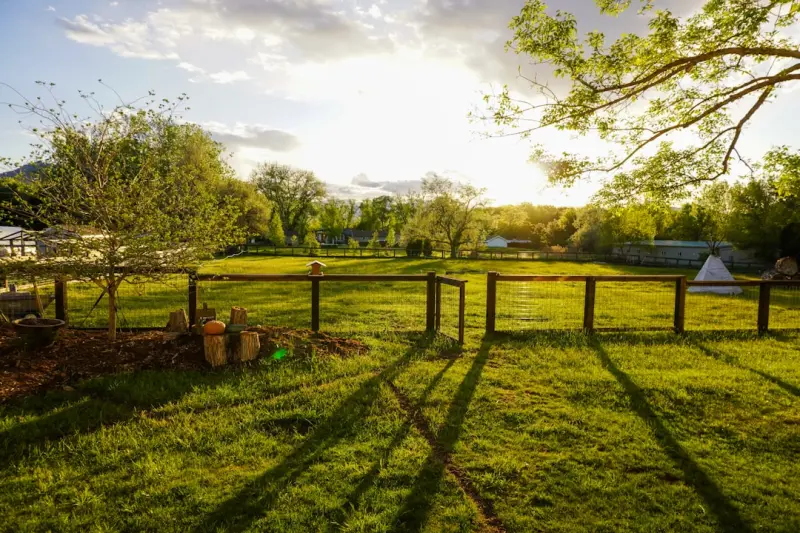
When I first moved into my suburban home, the yard was a flat, manicured stretch of grass that required a weekly haircut and a constant battle against weeds. It was functional, but it felt sterile—a stage set for a weekend barbecue, not a living, breathing ecosystem. Over the past few years, my perspective has shifted dramatically. I’ve come to view the garden not as a decorative afterthought, but as a dynamic partner in the health of my home, my neighborhood, and the planet.
Regenerative outdoor spaces go beyond the traditional goals of aesthetics and productivity. They aim to restore soil vitality, nurture biodiversity, and close the water loop while still delivering the visual appeal and comfort we all crave. In other words, they turn a simple plot of land into a thriving micro‑climate that works for you—not the other way around.
The Core Principles of Regeneration
Before diving into the how‑to, it helps to internalize the three guiding principles that differentiate a regenerative garden from a conventional one:
- Soil Health First: Healthy soil is the foundation of every plant, microbe, and insect in your garden. The goal is to increase organic matter, encourage earthworm activity, and promote a living soil food web.
- Biodiversity as a Strategy: Variety is not just a design choice; it’s a resilience strategy. Mixed planting, native species, and habitat features (like beetle banks and pollinator corridors) create a self‑sustaining ecosystem.
- Water as a Resource, Not a Waste: Capture, store, and reuse rainwater. Design contours that slow runoff, feed deeper root zones, and recharge groundwater.
When these pillars are intentionally integrated, the garden begins to generate its own nutrients, retain moisture, and even attract beneficial predators that naturally keep pests in check.
Designing the Landscape: From Blueprint to Living System
Designing a regenerative yard starts with observation. Walk the site at different times of day, note the sun patterns, wind corridors, and existing vegetation. Map the low‑lying spots where water collects and the high points that dry out quickly.
Next, sketch a basic zoning plan. In regenerative design, zones are defined by their functional intent rather than aesthetic zones alone. Typical zones include:
- Food Production Zone: Raised beds, hugelkultur mounds, or no‑till patches that deliver fresh harvests.
- Habitat Zone: Native meadow strips, pollinator gardens, and wildlife shelters.
- Water Management Zone: Swales, rain barrels, and bio‑retention ponds that capture runoff.
- Social Zone: Patios, pergolas, or fire pits where family and friends gather, framed by the regenerative elements.
Integrate these zones so that they support each other. For example, a rain garden can double as a pollinator haven, and compost produced from kitchen scraps can feed the food production beds.
Reviving Soil Without a PhD
If the phrase “soil regeneration” makes you think of a chemistry lab, you’re not alone. The good news is that the process is accessible and, frankly, a bit fun.
- Skip the Till: No‑till methods preserve soil structure and the delicate fungal networks that help plants access nutrients.
- Cover Crops are Your Friends: Planting legumes or grasses during the off‑season adds organic matter, fixes nitrogen, and prevents erosion.
- Compost, Not Chemical Fertilizer: A well‑managed compost heap turns kitchen scraps into a dark, crumbly gold that feeds microbes and, ultimately, plants.
- Mycorrhizal Inoculants: These fungal supplements form symbiotic relationships with roots, expanding their reach for water and nutrients.
Every time you add a layer of leaf mulch, you’re feeding the soil’s underground community. Over time, you’ll notice the soil becoming spongier, richer in scent, and teeming with life—tiny indicators that regeneration is taking root.
Water Strategies That Pay Dividends
Water is the most precious currency in gardening. Regenerative designers treat it like a bank: you deposit during rain, you withdraw during dry spells. Here are three practical ways to get started:
- Rain Barrels and Cisterns: Capture roof runoff with barrels equipped with mesh filters. Use the stored water for irrigation, dramatically cutting municipal usage.
- Swales and Contour Trenches: Gentle, shallow depressions following the land’s natural slope slow water, letting it infiltrate rather than rush away.
- Mulching Mastery: A thick mulch blanket reduces evaporation, keeps roots cool, and adds organic matter as it decomposes.
When combined, these methods create a water‑positive garden—one that contributes more to the local water table than it extracts.
Inviting Wildlife: The Benefits of a Balanced Food Web
Many homeowners fear that a garden teeming with insects will become a pest haven. In a regenerative setting, the opposite is true. By fostering a diverse habitat, you attract predators that keep harmful insects in check.
Consider adding a few simple features:
- Bee Hotels and Butterfly Gardens: Provide nesting sites for pollinators, which in turn boost fruit set and seed production.
- Bat Boxes: Bats are voracious mosquito eaters and can significantly reduce vector populations.
- Toad and Amphibian Refuges: Small ponds or damp logs become breeding grounds for amphibians that feast on slugs and beetles.
The result is a garden that self‑regulates, reducing the need for chemical interventions and creating a vibrant, living backdrop for daily life.
Technology Meets Regeneration: Smart Yet Subtle
Regenerative gardening doesn’t have to reject technology. In fact, the right tech can amplify your ecological goals while keeping the experience low‑maintenance. For instance, AI-driven garden management tools can analyze soil moisture, forecast micro‑climates, and suggest optimal planting dates—all without demanding a degree in agronomy.
Simple sensor kits that plug into a smartphone app can alert you when a specific zone needs watering, allowing you to respond with precision and avoid over‑irrigation. Pair those insights with automated drip irrigation timers, and you have a system that waters itself based on real‑time data, not on a fixed schedule.
Creating Quiet Garden Retreats for the Soul
Even the most eco‑focused garden benefits from places where the mind can rest. Incorporating tranquil spots—like a shaded bench beneath a native tree or a small stone circle surrounded by hummingbirds—enhances the emotional connection to the space. As an extension of the interior sanctuary, these “quiet corners” help you unwind after a busy day. Check out this guide on creating quiet garden retreats for tips on integrating sound‑absorbing plantings and natural materials that turn your yard into a meditation haven.
When you design a garden that soothes both the senses and the environment, you’ve achieved the ultimate win‑win.
Case Study: Transforming a ½‑Acre Suburban Lot into a Regenerative Hub
To illustrate the principles in action, let’s walk through a recent project I consulted on—a typical suburban lot with a small front yard, a larger back yard, and a modest shed. The owners wanted a garden that fed the family, helped the neighborhood, and required minimal upkeep.
Step 1: Soil Assessment
A simple soil test revealed low organic matter and compaction. We introduced a series of compost layers, topped with a living mulch of clover, and installed a sub‑surface aeration system using simple root‑pruning techniques. Within six months, the soil’s carbon content increased by 30%.
Step 2: Water Capture
Two 200‑gallon rain barrels were installed on the roof, connected to a drip system serving the vegetable beds. Swales were cut along the property’s gentle slope, capturing runoff and feeding a shallow rain garden that also hosted native wildflowers.
Step 3: Habitat Integration
We planted a pollinator strip along the fence line with native asters, goldenrods, and coneflowers. A bee hotel, bat box, and a small amphibian pond were positioned strategically to maximize biodiversity. Within a season, the garden hosted over 40 species of insects, three species of birds, and a family of Eastern newts.
Step 4: Tech Implementation
A solar‑powered moisture sensor network was set up, feeding data into an app that suggested irrigation adjustments. The owners could see a live feed of soil health metrics, reinforcing their connection to the garden’s rhythm.
Outcome
The family now harvests enough produce to cover half of their weekly grocery bill, enjoys a lower water bill, and reports a measurable uplift in wellbeing—a tangible return on the effort they invested.
Common Misconceptions Debunked
Myth #1: Regenerative Gardens Require Massive Space. No. Even a balcony or a modest patio can host container‑based regenerative systems, such as vertical herb towers with composting units.
Myth #2: It’s Too Expensive. While there is upfront investment, the long‑term savings on water, fertilizers, and grocery costs offset the initial spend. Many materials, like reclaimed bricks or reclaimed wood, can be sourced for free.
Myth #3: It’s Labor‑Intensive. The goal is to design low‑maintenance cycles. Once soil health is restored, weeds decline, and water needs stabilize, freeing up time instead of creating more work.
Getting Started: A 4‑Week Action Plan
Feeling inspired but overwhelmed? Here’s a realistic roadmap you can follow:
- Week 1 – Soil Scan: Perform a basic soil test (pH, texture, organic matter). Add a thin layer of compost and leaf mulch.
- Week 2 – Water Audit: Install rain barrels if possible. Map where water pools after a rainstorm and sketch simple swales.
- Week 3 – Plant Selection: Choose a mix of native perennials, a few edible varieties, and at least one pollinator plant. Order seedlings or transplants.
- Week 4 – Install & Observe: Plant, set up a drip irrigation timer, and add a bird or bee house. Spend a few minutes each day observing changes.
Within a single growing season, you’ll notice richer soil, more wildlife, and a garden that feels less like a chore and more like a partnership.
Conclusion: From Trend to Lifestyle
Regenerative outdoor spaces are not a fleeting design fad; they represent a shift toward stewardship, resilience, and deeper home ownership. By viewing the garden as a living system that feeds, filters, and heals, you unlock a suite of benefits—environmental, financial, and emotional—that compound over years.
If you’ve ever felt that your yard was “just a lawn,” consider this an invitation to reframe that space. Plant a worm‑friendly patch, capture a rainstorm, invite a bee to your porch, and watch as the land begins to return the favor. The journey is as rewarding as the destination, and every small step contributes to a larger, healthier world.

David Moore is a freelance writer specializing in two dynamic and ever-evolving fields: gambling and the tech industry. With a keen eye for detail and a knack for unraveling complex topics, David delivers insightful and engaging content that keeps readers informed and entertained.
Related Posts

Balcony to Bounty: Turning Small Outdoor Spaces into Year‑Round Food Havens
Discover step‑by‑step strategies to turn a modest balcony into a productive, year‑round garden... Read More

Reviving Forgotten Spaces: Turning Attic Nooks into Creative Retreats
Unlock the hidden potential of your attic with smart design, storage hacks, and cozy touches—turni... Read More

Front Porch Revival: Turning Your Entryway into a Seasonal Oasis
Discover how to reinvent your front porch into a welcoming seasonal oasis, blending comfort, greener... Read More
Top Posts

AI‑Powered Scenario Planning: Future‑Proofing Your SaaS Business
Explore how AI‑powered scenario planning transforms uncertainty into strategic advantage for SaaS companies, offering probabilistic forecasts, causal insights...Read More

Layered Sensory Rituals: Turning Everyday Personal Care into a Sanctuary
Learn to elevate your personal care routine by layering sight, scent, touch, sound, and timing, creating a calming sanctuary that boosts well‑being and sustai...Read More

Soundproof Your Sanctuary: Practical Home Acoustics Hacks
Learn how to tame unwanted noise with affordable tweaks, DIY acoustic panels, strategic furniture placement, and digital boundaries, turning any room into a qui...Read More

Nurturing Your Inner Ecosystem: A Fresh Take on Gut Health
Explore a fresh perspective on gut health, from feeding beneficial bacteria to debunking myths, and learn simple daily habits that transform digestion, mood, an...Read More
0 Comments
Post Comment
You will need to Login or Register to comment on this post!