
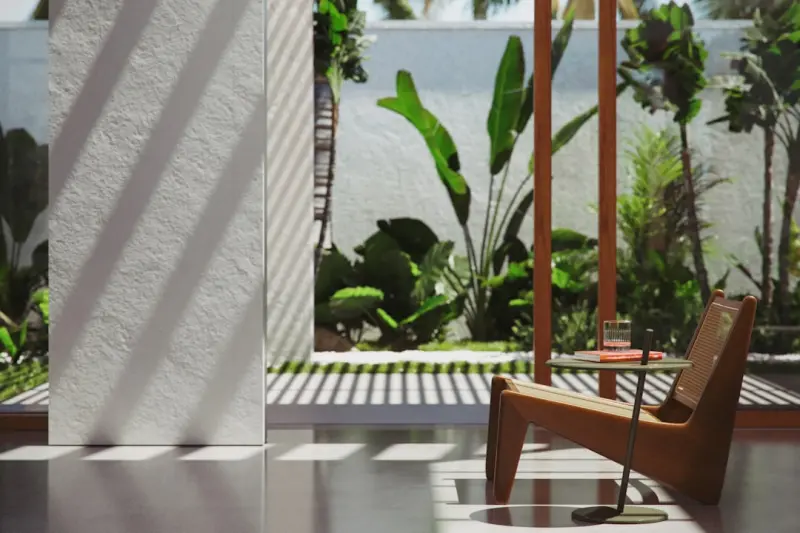
Chasing Sunlight: Designing Home & Garden Spaces That Thrive With Natural Light
When I first moved into my modest bungalow, the living room felt like a perpetual twilight zone—heavy curtains, deep‑hued walls, and a garden that seemed to hide in the shadows. I quickly realized that the problem wasn’t the lack of windows; it was the missed opportunity to let the sun become a design partner. Over the past few years I’ve turned that gloomy nook into a luminous sanctuary, and the journey taught me that natural light isn’t just a decorative flourish—it’s a strategic asset that can reshape mood, health, and even energy bills.
Why Sunlight Deserves a Seat at the Design Table
Science backs up the intuitive feeling that daylight lifts spirits. Exposure to natural light regulates circadian rhythms, boosts serotonin, and improves focus. In the garden, sunlight drives photosynthesis, influencing plant vigor and fragrance. When you purposefully choreograph sunlight throughout a home and its adjoining outdoor space, you create a living rhythm that syncs with the body’s own cycles.
Beyond the wellness angle, there’s a pragmatic side: daylight reduces reliance on artificial lighting, trims cooling loads in summer (when you harness shading correctly), and can even raise a property’s market value. In short, designing for light is a win‑win for health, sustainability, and economics.
Mapping the Sun’s Path: A Practical Primer
The first step is to become a solar cartographer. Grab a free app—many smartphones now include augmented‑reality sun‑trackers—or simply observe the sky at three key times: sunrise, solar noon, and sunset. Note where the light falls in each room and how it kisses the garden beds. Sketch these observations on a floor plan; you’ll quickly spot “light deserts” (areas that stay dim) and “light oases” (sun‑bathed corners).
Once you have that map, you can start to answer two fundamental questions:
- What activities thrive in bright zones? Think reading, cooking, or morning yoga.
- Where can you afford shade? Spaces meant for relaxation, movies, or nighttime gatherings benefit from softer light.
Architectural Tricks to Capture and Redirect Light
Here are the most effective, budget‑friendly tactics I’ve used to coax more sunlight into both interior and exterior realms.
1. Expand the Window Real Estate
If structural changes are on the table, consider:
- Floor‑to‑ceiling glazing on the sun‑facing wall. Modern low‑E glass lets in visible light while cutting UV heat gain.
- Clerestory windows—high, narrow strips that flood deeper rooms without sacrificing privacy.
- Transom windows above doors to channel light into hallways.
Even a modest widening of an existing sash can add 15–20% more daylight to a room.
2. Harness Reflective Surfaces
Light loves to bounce. Mirrors, glossy tiles, and light‑colored ceilings become secondary light sources. I painted my kitchen ceiling a soft, buttery white and installed a large, rectangular mirror opposite the window. The effect? A 30% boost in perceived brightness without a single extra watt of electricity.
For the garden, use light‑colored stones or a reflective water feature. A shallow pool positioned near a south‑facing wall can mirror the sun, creating sparkling micro‑climates that benefit nearby herbs.
3. Light Shelves and Interior Overhangs
Architects use light shelves—horizontal ledges placed above eye level—to bounce high‑angle summer sun onto the ceiling while letting low‑angle winter sun penetrate deeper. You can DIY a light shelf with a simple wooden board and a reflective backing. Install it just below the top of a south‑facing window, and watch the room transform from a harsh glare to a soft, diffused glow.
4. Strategic Plant Placement
Plants are living light filters. Tall, evergreen shrubs positioned a foot or two from a window can soften glare in summer while still allowing winter light to filter through. In the garden, place taller perennials or dwarf trees on the sun‑ward side of lower‑lying edibles to create a tiered light hierarchy. This approach mimics natural forest layers and yields healthier crops without resorting to intensive pruning.
Color, Texture, and Light: A Symbiotic Trio
Light interacts with color in fascinating ways. Dark hues absorb, while light tones reflect. In my own home, I transitioned from deep navy walls to a muted sage green. The result was a room that felt airy even on overcast days. For texture, consider matte finishes for walls (they diffuse light gently) and glossy finishes for décor accents (they catch and throw light around).
In the garden, light‑reflecting mulches (like white pebble or crushed limestone) can brighten the soil surface, encouraging seed germination and reducing weed growth. Pair them with low‑maintenance groundcovers that have silvery foliage—such plants literally shimmer under the sun, enhancing the overall brightness of the space.
Seasonal Adjustments: Letting Light Flow All Year
Sunlight isn’t static; its angle changes with the seasons. A design that works in midsummer may leave a room starved of light in winter. Here’s how to stay adaptable:
- Adjustable louvers or blinds that you can tilt to capture low winter sun while shielding from high summer glare.
- Seasonal planting—swap tall, shade‑providing shrubs for deciduous varieties that lose leaves in winter, allowing more light to penetrate.
- Portable light‑enhancing accessories like reflective folding screens that you move around as the sun shifts.
Tech‑Lite Tools to Boost Light Without Going Full‑On Smart
While I’m a fan of high‑tech, I also love solutions that don’t require a Wi‑Fi hub. Consider these simple gadgets:
- Solar‑powered LED pathway lights—they charge during the day and glow softly at night, extending the sense of daylight into twilight hours.
- Daylight‑simulating bulbs for rooms that stay dark in winter; they mimic the spectrum of natural light without the glare of traditional fluorescents.
- Light‑diffusing window films that reduce UV while preserving visible light—great for protecting furniture without sacrificing brightness.
For a deeper dive into how subtle changes in environment can elevate wellbeing, check out this piece on tiny brain‑boosting habits. Though it focuses on mental performance, the underlying principle—small, intentional tweaks leading to outsized benefits—applies perfectly to light design.
Creating Outdoor “Acoustic Havens” While Embracing Light
Light and sound often share the same design pathways. A garden that basks in sunlight can also become a serene auditory retreat. By arranging tall grasses, bamboo, or water features strategically, you can diffuse both light and sound, creating a space that feels both bright and tranquil. For more ideas on integrating quiet zones into your home, explore my earlier guide on creating acoustic havens. The concepts translate smoothly to outdoor settings—think of a sunlit gazebo surrounded by a living wall of ferns that rustle gently in the breeze.
Case Study: From Dim to Dazzling in Three Phases
Here’s a snapshot of a recent project I tackled for a client who owned a modest two‑story house with a narrow side garden.
- Phase 1 – Light Audit: Using a sun‑tracker app, we identified that the living room received only 30 minutes of direct sun each morning. The garden’s east side was a perpetual shade zone.
- Phase 2 – Architectural Tweaks: We installed a pair of floor‑to‑ceiling glass sliders on the east wall, added a light shelf above the existing window, and painted the ceiling a crisp ivory. In the garden, we introduced a reflective stone border and planted a row of dwarf Japanese maples that would lose leaves in winter, opening up the space.
- Phase 3 – Finishing Touches: Mirrors were placed opposite the new windows, and a series of solar pathway lights were tucked along the garden perimeter. The result? The living room’s daylight factor jumped to 45% (from 20%), and the garden’s formerly shadowy corner now hosts a thriving bed of lavender and rosemary that love the increased sun.
Energy bills dropped by roughly 12% in the first six months, and the homeowners reported better sleep and higher daytime productivity—testament to how light can silently shift daily life.
Putting It All Together: Your Light‑Forward Action Plan
Ready to turn your home and garden into a sun‑centric haven? Follow this checklist:
- Map the sun’s path in each room and garden zone.
- Identify high‑impact architectural tweaks (window expansions, light shelves, reflective surfaces).
- Choose a light‑friendly color palette—soft neutrals, pastel greens, and warm whites.
- Introduce reflective elements (mirrors, glossy tiles, light‑colored stones).
- Strategically place plants to filter glare while preserving light flow.
- Implement seasonal adjustments (adjustable blinds, deciduous shade trees).
- Add low‑tech, solar‑powered lighting for twilight continuity.
Remember, the goal isn’t to flood every corner with harsh glare but to craft a balanced choreography where light guides activity, nurtures plants, and lifts the spirit.
Final Thoughts: Sunlight as a Sustainable Design Language
When we think of sustainability, we often jump straight to insulation, renewable energy, or water conservation. Light, however, is the most renewable resource we have—free, abundant, and endlessly adaptable. By treating sunlight as a primary design language, you not only enhance aesthetics but also embed health‑boosting, cost‑saving, and environmentally friendly principles into the very fabric of your home and garden.
If you’re inspired to start your own light‑focused makeover, begin small—a new mirror here, a reflective garden stone there—and watch the ripple effect grow. In the end, the simplest changes often shine the brightest.

Jimmy Anand is a content creator that gets inspired by many aspects of life, internet or whatever inspires him at that moment. When he's not online he's gaming and when he is not gaming he is online trolling discussion boards.
Related Posts

Garden Desks: My 2026 Journey from Office Cubicle to Backyard Oasis
Jimmy Damon reveals his shift from a cramped office to a sun‑lit garden desk, detailing design hac... Read More

Seasonal Sensory Gardens: Crafting a Year‑Round Oasis for the Senses
Discover a step‑by‑step guide to building a seasonal sensory garden that delights all five sense... Read More

Why My Garden Desk Became the Soul of My Home
A garden desk isn’t just a workspace—it’s a sanctuary where home life, productivity, and natur... Read More
Top Posts
Transform Your Backyard into a Productive Oasis with a Garden Desk
Explore the rise of garden desks and learn how to create a stylish, eco‑friendly outdoor workspace that enhances focus, well‑being, and your home garden’s...Read More
Smart Personal Care: How AI and Sustainable Design Are Redefining Daily Routines
Discover the future of personal care where technology meets sustainability—smart devices, data‑driven routines, and refillable packaging combine to create a...Read More

The Quiet Health Engine: Harnessing Daily Gratitude for Better Well‑Being
A daily gratitude habit may seem modest, but its impact on brain chemistry, hormone balance, and immune function is profound. Learn how to integrate this simple...Read More
Why My Backyard Garden Desk Became My Home’s Productivity Hub
Transform your home life with a garden desk: boost productivity, improve health, and create a vibrant family hub—all in your backyard....Read More
0 Comments
Post Comment
You will need to Login or Register to comment on this post!