
Why Every Room Deserves a Dedicated Focus Zone
Home life is a juggling act, and the spaces we inhabit can either amplify the chaos or become silent allies in our daily rhythm. Instead of treating your living area as a generic backdrop, imagine carving out purpose‑driven zones that whisper exactly what you need at the moment—whether it’s laser‑focused work, mindful unwinding, or a burst of creativity. When each corner knows its role, the mental load drops, and the home transforms from a passive setting into an active productivity partner.
The Science Behind Spatial Intent
Our brains are wired to respond to environmental cues. A well‑defined area triggers specific neural pathways, signaling to your mind that it’s time to switch modes. Research in environmental psychology shows that visual separation—even simple changes in lighting, furniture layout, or texture—can improve concentration by up to 30 % and reduce stress hormones by a comparable margin. By deliberately shaping zones, you give your nervous system clear “start” and “stop” signals, making transitions smoother and more sustainable.
Step 1: Map Your Daily Flow
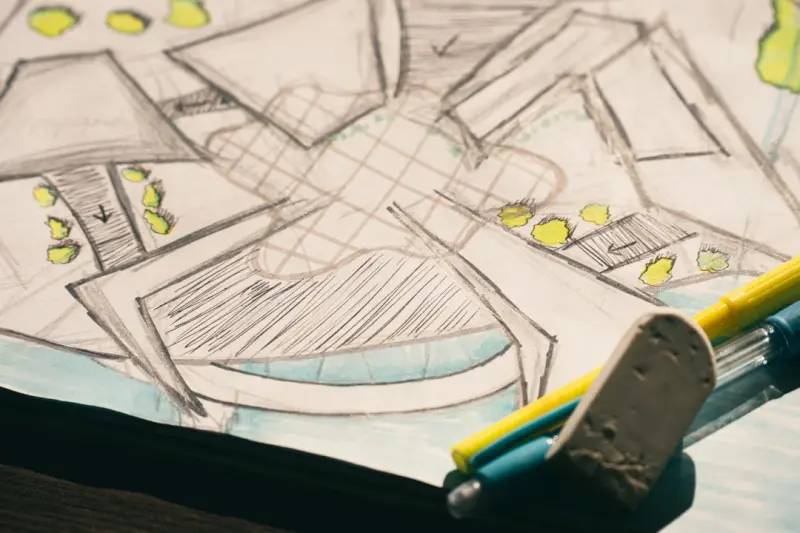
Start with a quick audit of how you spend a typical day at home. Grab a notebook and sketch a rough floor plan, marking where you eat, work, relax, and move. Identify the “high‑traffic” corridors and the “dead‑ends” that rarely see activity. This visual map will reveal hidden opportunities—perhaps an under‑used corner that could become a mini‑studio, or a hallway that can double as a stretching strip.
- Work bursts: Identify a spot where you can set up a laptop without competing with TV glare.
- Mindful pause: Spot a place near a window for a short meditation or breathing exercise.
- Creative spark: Choose an area with natural light for sketching, journaling, or brainstorming.
Step 2: Choose the Right Furniture Pieces
The furniture you select should reinforce the zone’s purpose. A compact, height‑adjustable desk works wonders for a focused work nook, while a soft floor cushion paired with a low‑profile side table invites a relaxation corner. When space is at a premium, make the most of tight spaces by opting for modular units that can be re‑configured as needs shift throughout the day.
Step 3: Light It Up—Smartly
Lighting is the unsung hero of functional zones. For work areas, prioritize bright, cool‑white light (4,000–5,000 K) to keep you alert. In relaxation spaces, warm amber tones (2,700–3,000 K) cue your body to wind down. Adjustable LED strips, floor lamps with dimmers, and even smart bulbs that change temperature on a schedule can automate this transition, eliminating the guesswork and ensuring each zone has its signature glow.
Step 4: Acoustic Considerations Without the Noise
Even if you’re not soundproofing an entire room, subtle acoustic tweaks can make a huge difference. Soft textiles—think plush rugs, curtains, and upholstered chairs—absorb stray echoes, creating a quieter backdrop for deep work or meditation. If you’re near a bustling street, a simple acoustic buffer like a thick bookshelf filled with books can act as a passive sound barrier while also adding visual interest.
Step 5: Color Psychology for Mood Alignment
Colors are more than aesthetics; they influence emotion. Blues and greens foster calm and concentration—ideal for study or office zones. Warm oranges and yellows energize, perfect for a creative studio where brainstorming happens. Keep the palette cohesive within each zone but allow subtle transitions between them to guide the eye naturally from one activity to the next.
Step 6: Integrate Minimal Tech That Serves the Zone
Technology should support, not dominate. In a work nook, a single monitor, a wireless keyboard, and a noise‑cancelling headset are sufficient. For a relaxation corner, consider a Bluetooth speaker that streams ambient sound or a smart diffuser that releases calming essential oils on a timer. The goal is to keep gadgets purposeful and out of sight when they’re not in use.
Step 7: Add Personal Touches That Signal Purpose
Every zone benefits from a few signature items that reinforce its intent. A small stack of your favorite books, a vision board, or a handful of inspirational quotes can cue your brain into the desired mode. In a wellness corner, a yoga mat rolled neatly alongside a small plant can act as a visual reminder to stretch. The key is to keep these elements curated—too many objects dilute the signal.
Step 8: Maintain Fluidity with Easy Reconfiguration
Life is fluid, and your zones should be too. Choose furniture on wheels, fold‑away desks, or collapsible screens that let you repurpose a space without a major overhaul. This flexibility is especially valuable for households with varying schedules—one day the living room might double as a conference space, the next it becomes a movie theater.
Real‑World Example: A Two‑Bedroom Apartment Turned Multifunctional Hub
Take the case of Maya, a freelance graphic designer who lives in a 750‑sq‑ft apartment. She started with a single open‑plan living area that felt chaotic. By applying the focus‑zone framework, she designated:
- Work Corner: A narrow wall adjacent to the kitchen, fitted with a wall‑mounted desk, a small LED lamp, and a corkboard for client briefs.
- Creative Studio: A sunny nook near the balcony, equipped with a drafting table, a set of pastel paints, and a bookshelf of design references.
- Mindful Retreat: A corner by the window with a floor cushion, a low‑profile diffuser, and a small indoor plant for daily meditation.
Within weeks, Maya reported a 25 % increase in project turnaround speed and felt more relaxed during her evening wind‑down, attributing the shift to the clear spatial cues.
Bonus Tips: Micro‑Zones for Tiny Spaces
If you’re truly limited on square footage, think even smaller—micro‑zones that serve a single purpose for a few minutes at a time. A charging station near the entryway can become a “tech‑off” zone where you pause to disconnect before stepping into work mode. A standing coffee bar by the kitchen can double as a quick brainstorming spot with a notepad and pen ready at hand.
Future‑Proofing Your Home Zones
As our lives evolve, so will the functions we need at home. Design your zones with adaptability in mind: keep wiring accessible for future smart devices, use neutral base colors that can be accentuated later, and store extra furniture in an attic or garage for seasonal re‑configurations. This foresight ensures your home remains a dynamic ally, not a static backdrop.
Final Thoughts: The Power of Intentional Design
When you move beyond the “one‑size‑fits‑all” mindset and start assigning purpose to each square foot, you’ll notice a subtle but profound shift. The home becomes a catalyst for the life you want to lead—productive, peaceful, and creatively charged. The effort lies not in massive renovations but in thoughtful, intentional tweaks that align your environment with your aspirations.

Jimmy Anand is a content creator that gets inspired by many aspects of life, internet or whatever inspires him at that moment. When he's not online he's gaming and when he is not gaming he is online trolling discussion boards.
Related Posts

Designing Quiet, Focus‑Friendly Zones in an Open‑Plan Home
Discover step‑by‑step strategies to turn corners of your open‑plan home into quiet, focus‑fr... Read More

Revamp Your Home with Low‑Effort, High‑Impact Tweaks
Learn how small, strategic changes—like smarter lighting, sound management, multi‑functional zon... Read More
Sound‑Smart Living: Simple DIY Hacks to Silence Home Chaos
Learn practical, low‑cost ways to quiet your home—from soft surfaces and DIY acoustic panels to ... Read More
Top Posts
Transform Your Entryway into a Calm, Functional Welcome Zone
A well‑designed entryway can reduce stress and improve daily efficiency. Learn how to zone, light, store, scent, and personalize your hallway for a calm, func...Read More

Soundtrack Your Self‑Care: How Audio Shapes Personal Wellness
Explore the untapped power of sound in personal care. Learn to craft audio‑driven routines, integrate micro‑movements, and measure the impact for a calmer, ...Read More

Pop‑Up Villages: The New Frontier of Travel
Pop‑up villages blend modular design, local partnership, and communal living to create immersive, sustainable travel experiences that foster genuine connectio...Read More
Turn Your Compact Home into a High‑Efficiency Hub
Learn how to transform a compact living space into a high‑efficiency hub using smart zoning, modular storage, low‑tech air solutions, one‑touch automation...Read More
0 Comments
Post Comment
You will need to Login or Register to comment on this post!