

When I first moved into my modest bungalow, the entryway was a cramped, forgotten corridor that barely fit a coat rack. Over time I realized that this small space was actually a silent stage where the first act of every day unfolds. By treating it as a curated gallery, you can turn a functional hallway into a personal museum that welcomes guests, lifts your mood, and even nudges you toward better habits—all without a massive renovation.
Why the Entryway Deserves More Attention
Most home‑improvement guides focus on kitchens, living rooms, or bathrooms because those rooms see the most traffic. The entryway, however, is the gateway to the rest of your home and sets the tone for what follows. A well‑designed foyer can:
- Reduce mental clutter: A tidy, visually appealing hallway signals that the rest of the house is organized.
- Boost emotional wellbeing: Seeing art or meaningful objects you love triggers dopamine, making you feel more positive right from the door.
- Encourage better habits: A designated spot for keys, bags, and mail reduces the “I‑always‑lose‑my‑keys” scramble each morning.
- Increase home value: Curb appeal isn’t just the exterior; a stylish entryway can impress potential buyers or renters.
Step 1: Declutter Before You Decorate
The first rule of any gallery is a clean canvas. I start by removing everything that isn’t essential: extra shoes, stray mail, or decorative pieces that no longer spark joy. Then I ask three questions for each item:
- Do I need it here daily?
- Does it add to the visual story I want to tell?
- Is it in good condition?
Items that fail any of these criteria get stored elsewhere, donated, or responsibly discarded. The result is a spacious backdrop that lets the pieces you keep truly shine.
Step 2: Define Functional Zones
Even a narrow hallway can accommodate multiple micro‑zones. I usually carve out three simple areas:
- Landing Zone: Right at the door for shoes, umbrellas, and a small bench or shoe rack.
- Display Zone: The wall space directly opposite the landing, perfect for art, photos, or curated collections.
- Utility Zone: A slim console table or wall‑mounted shelf for mail, keys, and a decorative bowl.
By assigning purpose to each segment, you prevent the hallway from becoming a catch‑all dump and make daily routines smoother.
Step 3: Master the Lighting
Lighting can either highlight or hide your gallery. Natural light is ideal, but most entryways rely on artificial sources. I recommend a layered approach:
- Ambient Light: A ceiling fixture or recessed LED that evenly illuminates the entire space.
- Accent Light: Small track lights or wall sconces that spotlight artwork or a favorite sculpture.
- Task Light: A low‑profile table lamp on the console for reading mail or sorting keys.
For inspiration on using light to transform spaces, check out the light‑rich design ideas that blend natural and artificial illumination for a warm, inviting atmosphere.
Step 4: Curate Your Visual Story
Think of your entryway as a mini‑exhibition. Choose a theme that resonates with you—travel souvenirs, family heritage, abstract art, or even a monochrome photograph series. Here are some curation tips:
- Limit the number of pieces: A rule of three works well—three frames, three objects, or three colors.
- Mix media: Combine framed prints with three‑dimensional items like a vintage ceramic vase or a handcrafted wooden box.
- Use uniform framing: Consistent frames (same color or material) unify disparate pieces.
- Vary heights: Arrange items at different levels to create visual rhythm. A floating shelf can add a mid‑level platform for smaller objects.
Rotate the display seasonally. I keep a small storage box under the bench where I swap summer beach photos for winter cabin prints. This keeps the gallery fresh without buying new art each year.
Step 5: Smart Storage Solutions That Blend In
Storage doesn’t have to be an eyesore. Here are a few budget‑friendly options that double as décor:
- Hidden Baskets: Woven baskets tucked under a console keep scarves and gloves tidy while adding texture.
- Magnetic Spice Racks: Repurpose a spice rack on the back of a door for mail, keys, and small accessories.
- Floating Shelves with Built‑In Bins: A sleek shelf with a concealed bin underneath offers a place for loose items without breaking the visual flow.
- Repurposed Vintage Trunks: A small antique trunk can serve as both a storage chest and a statement piece.
Step 6: Add a Scent Narrative
Smell is a powerful memory trigger. A subtle, pleasant fragrance can make the entryway feel like a welcoming hug. Choose a scent that matches your visual theme:
- Citrus or eucalyptus: For a clean, modern gallery.
- Lavender or rosemary: For a rustic, nature‑focused display.
- Vanilla or sandalwood: For a warm, cozy vibe.
Use a small, refillable diffuser on the console or a scented candle on a decorative tray. Just be sure the fragrance isn’t overpowering; it should be a gentle background note.
Step 7: Bring In a Touch of Green
Plants soften hard edges and inject life into any hallway. Choose low‑maintenance varieties that thrive in low light, such as:
- Snake plant (Sansevieria)
- ZZ plant (Zamioculcas zamiifolia)
- Pothos (Epipremnum aureum)
Place a small pot on the console or hang a trailing planter from the ceiling. The greenery pairs beautifully with artwork, creating a living frame.
Step 8: Incorporate energy‑boosting hacks for Comfort
Even a small entryway can benefit from simple energy‑efficiency tweaks. Consider adding a draft stopper to the front door, installing a door‑sweep, or using reflective wall stickers behind a light source to bounce illumination deeper into the hallway. These low‑cost adjustments make the space feel warmer in winter and cooler in summer, while also reducing your utility bills.
Step 9: Personal Touches That Make a Difference
Finally, sprinkle in elements that reflect your personality:
- Handwritten Welcome Sign: A small chalkboard with a daily affirmation or a simple “Welcome Home” adds warmth.
- Family Photo Collage: A framed cluster of candid photos creates an instant emotional connection.
- Travel Souvenirs: A small shelf for a vintage compass, a miniature Eiffel Tower, or a handcrafted mask tells a story of where you’ve been.
Putting It All Together: A Sample Layout
Here’s a concrete example of how I arranged my own entryway (approximately 6 feet wide and 8 feet long):
- Landing Zone (left side): A slim shoe rack, a woven basket for scarves, and a small bench with a hidden storage compartment.
- Display Zone (center wall): Three uniform black frames—one large abstract print, two smaller black‑and‑white photos—flanked by a floating shelf holding a potted snake plant.
- Utility Zone (right side): A narrow console table with a magnetic spice rack repurposed for keys, a ceramic bowl for loose change, and a small diffuser emitting a faint citrus scent.
- Lighting: A recessed LED ceiling light for ambient illumination, a wall sconce above the display zone for accent lighting, and a low‑profile table lamp on the console for task lighting.
- Energy Hacks: A draft stopper at the bottom of the front door and a reflective sticker behind the sconce to maximize light output.
Walking through this space each morning feels like stepping into a tiny, curated museum that gently reminds me of my passions and keeps my essentials within reach.
Maintenance: Keeping the Gallery Fresh
Just as you would dust a museum, set a monthly routine to:
- Dust frames, shelves, and plant leaves.
- Rotate artworks or swap seasonal items.
- Check lighting bulbs and replace as needed.
- Refresh the diffuser oil or replace candles.
- Re‑evaluate the storage system for any new items that have accumulated.
By staying on top of these small tasks, your entryway will continue to feel intentional rather than static.
Conclusion: Your Hallway, Your Story
The entryway is more than a passage; it’s an opportunity to showcase who you are, streamline your daily routine, and set a positive tone for every guest who walks through your door. By following these steps—decluttering, zoning, lighting, curating, storing smartly, adding scent, greenery, and energy‑saving tweaks—you can transform even the most modest hallway into a curated gallery that welcomes, inspires, and functions flawlessly.

Margaret Thomson is a seasoned freelance writer specializing in the dynamic worlds of marketing and advertising. With a career deeply rooted in the marketing field, Margaret brings a wealth of practical experience and insightful knowledge to her writing.
Related Posts
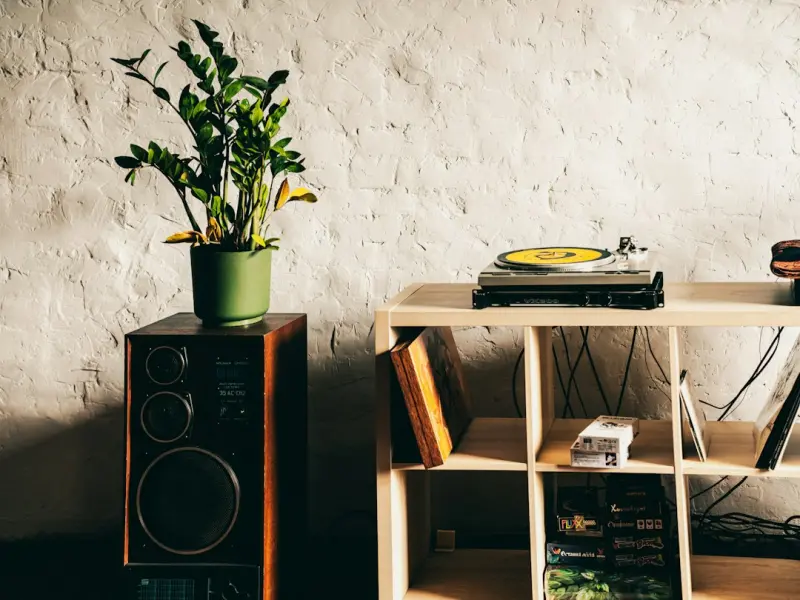
Soundscaping Your Home: Simple Hacks for a Calmer, More Focused Space
Learn how to transform any living space into a sound sanctuary with low‑cost rugs, DIY acoustic pa... Read More

Designing Quiet Corners: A Blueprint for Home Calm
Discover practical strategies to carve out peaceful corners in your home, from layered sound‑proof... Read More
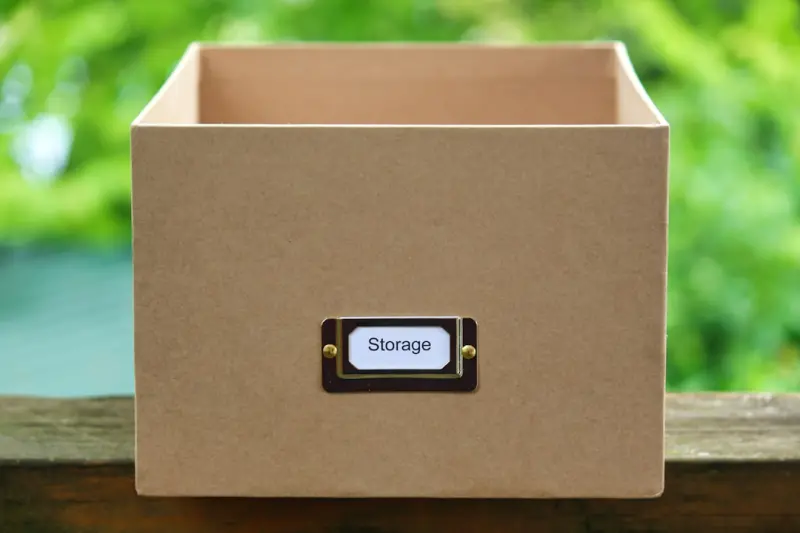
Invisible Storage Hacks: Turn Everyday Items into Hidden Organizers
Learn how to create invisible storage using simple household items, from magnetic strips and underâ€... Read More
Top Posts

When the Road Unfolds: Harnessing Unplanned Moments for Creative Travel
Explore the power of unplanned moments on the road, turning chance encounters into lasting creative memories....Read More

Beyond the Tourist Trail: Curiosity‑Led Travel for Real Connection
Explore a fresh travel mindset that swaps checklists for questions, embraces unplanned detours, and uses simple tools to turn every journey into a meaningful, s...Read More

Cold Water Immersion: Rewiring Health in the Age of Comfort
Cold water immersion, once a niche practice for athletes, is now a powerful health tool for anyone seeking better immunity, mood, and metabolic balance. This gu...Read More

Beyond the Itinerary: Crafting Immersive Sensory Journeys
Explore a fresh travel approach that engages all five senses—from soundscapes and scents to textures and flavors—turning ordinary trips into lasting, immers...Read More
0 Comments
Post Comment
You will need to Login or Register to comment on this post!