
Why “Low‑Maintenance Luxe” Is the New Garden Goal
Imagine stepping out onto a patio where the foliage looks meticulously groomed, yet you haven’t spent a single weekend pulling weeds or wrestling with wilted stems; that is the promise of a low‑maintenance luxury garden, and it’s a dream I’ve chased ever since my first backyard makeover. The secret isn’t in hiring a full‑time gardener, but in embracing a design philosophy that works with nature instead of against it, leveraging plants that thrive on their own and materials that age gracefully. When the garden essentially takes care of itself, you free up precious time for the things that truly matter—whether that’s a good book, a glass of wine, or a spontaneous gathering with friends.
The Native Plant Advantage: Beauty That Doesn’t Beg for Attention
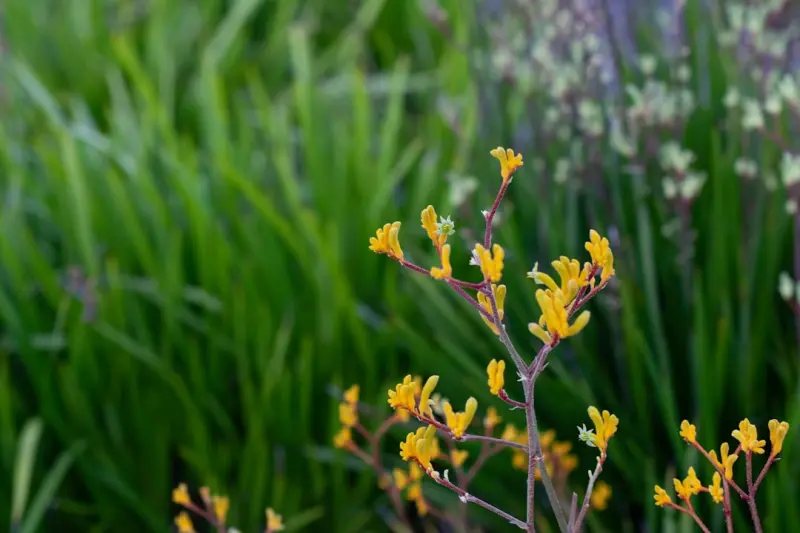
Native species are the unsung heroes of effortless elegance; they are already adapted to the local climate, soil composition, and pest pressures, which means they require far less water, fertilizer, and chemical intervention than exotic imports. By selecting a palette of hardy natives, you create a resilient tapestry of color and texture that can survive the harshest summer droughts and the chill of early frosts with barely a sigh. Moreover, native plants provide vital habitat for local pollinators, creating a subtle ecological benefit that enhances the garden’s visual appeal without any extra effort on your part.
Preparing the Ground: Soil Health as the Foundation of Minimal Care
Before you lay the first plant, invest time in building a healthy soil structure, because rich, well‑aerated earth reduces the need for constant feeding and watering; a simple amendment of compost and native leaf mulch can transform a compacted plot into a thriving substrate. Once the soil is prepared, apply a generous layer of organic mulch to lock in moisture, suppress weeds, and slowly release nutrients—this thin blanket works like a silent steward, doing the heavy lifting while you relax. For those who crave an extra edge, integrating a smart irrigation system can further cut back on water usage, delivering precise amounts directly to the root zone only when the soil truly needs it.
Choosing a Cohesive Color Palette That Grows With the Seasons
The key to a garden that feels curated year‑round is selecting plants that provide staggered bursts of color, foliage interest, and structural form, ensuring there’s always something captivating on display. Pair early‑blooming spring perennials like native columbine with midsummer favorites such as coneflower, then finish with late‑season asters that usher in autumn tones; this sequencing creates a natural rhythm that eliminates the dreaded “dead period” many homeowners dread. Adding evergreen shrubs and ornamental grasses adds year‑round texture, while the occasional splash of foliage‑colored foliage—think copper‑hued sage or silver‑leaf rabbitbrush—offers subtle visual intrigue even when blossoms are scarce.
Hardscape Elements: Upcycled Materials That Add Sophistication
While plants form the living heart of your garden, thoughtfully chosen hardscape pieces anchor the design, providing pathways, seating, and definition without demanding regular upkeep; reclaimed stone, salvaged timber, and repurposed brick can all be fashioned into elegant features that age beautifully. By sourcing materials from demolition sites or local salvage yards, you not only reduce waste but also infuse your outdoor space with a narrative of sustainability—a story that resonates with visitors and adds depth to the overall aesthetic. For inspiration on how to incorporate these elements, explore our guide on upcycled hardscape ideas, which showcases practical projects that blend style with environmental responsibility.
Water Management: Making Every Drop Count
Even the hardiest native garden benefits from smart water practices, especially in regions prone to drought or where water restrictions are common; a well‑designed irrigation plan can dramatically lower consumption while keeping plants healthy. Begin by grouping plants with similar water needs together, allowing you to zone the irrigation system and avoid over‑watering delicate species. Pair this zoning with soil moisture sensors that communicate with a smart irrigation controller, ensuring that watering events only occur when the soil reaches a predefined dryness threshold, thereby preserving water and reducing utility costs.
Seasonal Interest: Planning for Continuous Visual Delight
To keep the garden looking fresh without constant replanting, design with layers of seasonal interest: think of a base of evergreen foliage, a middle tier of midsummer bloomers, and a top layer of spring ephemerals, each offering a different visual cue throughout the year. Incorporate ornamental grasses that sway in the wind, providing motion and sound, and add winter‑hardy berry-producing shrubs that bring splashy color during the colder months. By mapping out bloom times and foliage changes on a simple calendar, you can anticipate gaps and fill them with low‑maintenance annuals or quick‑growing perennials, ensuring that the garden never looks neglected.
Minimal Maintenance Routine: The Five‑Minute Check‑In
Once your garden is established, maintenance can be reduced to a brief, weekly walkthrough where you perform three essential tasks: inspect for any invasive weeds that might have slipped through the mulch, trim back any overgrown stems to maintain shape, and refresh the mulch layer if it has thinned considerably. This routine, often completed in under five minutes, prevents small issues from escalating and keeps the garden looking polished without the need for intensive labor. Additionally, an annual soil test can guide any occasional amendments, ensuring that the soil remains fertile and balanced for the long term.
Embracing the Low‑Maintenance Luxe Lifestyle
The allure of a garden that looks professionally tended yet demands minimal effort is no longer a distant fantasy; with the right plant choices, strategic hardscape, and intelligent water management, you can create an outdoor sanctuary that complements a busy lifestyle. By investing in native flora, upcycled materials, and a dash of technology, you not only save time and money but also contribute to a healthier ecosystem—a win‑win that resonates with modern homeowners. Ready to transform your yard into a low‑maintenance masterpiece? Start with a soil health audit, select a handful of resilient natives, and let the garden’s natural rhythm do the rest.

Jimmy Damon loves to right on a large scale of topics with all things Canadian as this Montreal die hard loves hockey. fishing and sports.
Related Posts

Harvesting Harmony: Building a Low‑Effort Kitchen Garden That Feeds Body and Soul
Learn to transform a sunny windowsill or balcony into a low‑maintenance kitchen garden, using smar... Read More
Cultivating a Backyard Sensory Sanctuary for Mindful Living
Discover how to turn your backyard into a sensory sanctuary that engages touch, sound, and scent, of... Read More
Turn Your Backyard into a Garden Desk Oasis
Learn to transform your backyard into a productive garden desk oasis with practical design tips, pla... Read More
Top Posts

How AI Can Become Your Personal Microlearning Mentor
Learn how AI-powered microlearning transforms idle seconds into tailored lessons, building lasting habits and accelerating skill development....Read More
Scented Garden Paths: A Fragrant Blueprint for Small Outdoor Spaces
A scented garden path turns a modest outdoor area into a multisensory sanctuary, blending aromatic herbs, seasonal planting, and simple design tricks to boost w...Read More

Reimagining Mental Fitness: Data‑Driven Storytelling for Stress Mastery
Learn a simple, data‑rich storytelling framework that transforms stress into actionable insight, fostering mental fitness for individuals and teams alike....Read More

The Rise of Portfolio Careers: Crafting a Flexible, Future‑Proof Work Life
Explore the booming trend of portfolio careers, where juggling multiple part‑time roles creates flexibility, diverse skillsets, and a resilient professional f...Read More
0 Comments
Post Comment
You will need to Login or Register to comment on this post!