

Why Natural Light Is the Unsung Hero of Home Comfort
When I first moved into my downtown loft, I quickly learned that the most expensive design decisions weren’t about furniture or paint—they were about how the sun traveled across my floors each day. A room bathed in daylight feels larger, more welcoming, and even healthier. It’s a subtle yet powerful lever that can shift your entire living experience without a single demolition.
The Science Behind Sunlight and Mood
Sunlight does more than brighten your décor; it triggers the brain’s production of serotonin, the “feel‑good” neurotransmitter. Studies have shown that exposure to natural light can improve alertness, reduce stress, and even help regulate sleep cycles. In a world where we spend the majority of our time indoors—often staring at screens—leveraging daylight becomes an effortless wellness hack.
Step 1: Clear the View
The easiest way to invite more light is to remove visual barriers. Heavy drapes, bulky furniture, and dark window frames all siphon away precious photons. Swap thick curtains for sheer panels or, better yet, install a simple rod with a light‑filtering roller blind that can be lifted fully on sunny days. If you have a window seat, consider a low‑profile bench that doesn’t obstruct the view.
Step 2: Mirror Magic
Strategically placed mirrors act as light amplifiers. Position a large mirror directly across from a window to bounce sunlight deeper into the room. For smaller spaces, a collection of decorative mirrors on one wall creates a collage that not only reflects light but adds visual interest. Remember, the mirror’s frame should be light‑colored to avoid absorbing the reflected glow.
Step 3: Light‑Reflective Surfaces
Glossy finishes, glass tabletops, and metallic décor are subtle ways to keep light in motion. A glass coffee table or a brushed‑nickel lamp base reflects ambient sunlight, distributing it across the ceiling and walls. Even a high‑gloss paint in soft whites or pastel tones can act like a secondary light source, especially when paired with matte furnishings that prevent glare.
Step 4: Re‑Think Your Color Palette
While bold colors have their place, lighter hues are your allies when maximizing daylight. Opt for off‑whites, gentle grays, or muted blues on walls and ceilings. These shades reflect rather than absorb light, making rooms feel airy. If you crave a pop of color, introduce it through accessories—pillows, throws, or artwork—so the base palette remains light and bright.
Step 5: Use Furniture to Guide Light
Furniture arrangement can either trap or guide light. Place low‑profile pieces, like a sleek sofa or a floating shelf, near windows to keep the floor space open. Avoid bulky, dark‑colored bookcases that block the sun’s path. If you need storage, consider open shelving with glass doors or light‑colored wood that lets light pass through.
Step 6: Add Layered Lighting That Complements Daylight
When natural light fades, layered artificial lighting can pick up the slack without feeling harsh. Install dimmable LED strips under cabinets or along crown moldings. Choose bulbs with a high CRI (Color Rendering Index) to mimic the sun’s spectrum. For a warm, inviting glow in the evenings, add a few amber‑toned table lamps or floor lamps.
Step 7: Bring the Outdoors In
Integrating nature can amplify the feeling of daylight. A few well‑placed houseplants not only purify the air but also reflect light with their glossy leaves. If you’re looking for inspiration on blending indoor and outdoor vibes, check out our guide on crafting a multi‑sensory garden sanctuary for everyday calm. Even a simple herb garden on a sunny windowsill adds a fresh, organic touch.
Step 8: Optimize Window Treatments for Seasonal Shifts
Seasonal changes demand adaptable window solutions. In summer, external awnings or interior roller shades can reduce glare while still allowing diffused light. In winter, sheer curtains combined with interior blinds let you capture low‑angle sun, warming rooms naturally. A smart home thermostat can sync with these treatments, ensuring you never sacrifice comfort for illumination.
Step 9: Consider Light‑Enhancing Accessories
Reflective wall art—think metal prints, mirrored tiles, or glass mosaics—can scatter sunlight in beautiful patterns. Even decorative trays with a lacquered finish catch and bounce light. When choosing accessories, aim for pieces that have a slight sheen; they’ll become secondary light sources as the day progresses.
Step 10: Acoustic Comfort Meets Light
While focusing on illumination, don’t overlook sound. A bright, echo‑y room can feel harsh. Pair your light‑enhancing strategies with sound‑absorbing elements that keep the space cozy. For ideas on creating a serene acoustic environment without breaking the bank, see our article on budget-friendly acoustic upgrades for a peaceful home office. Soft rugs, acoustic panels in light colors, and plush cushions can absorb excess noise while still reflecting light.
Putting It All Together: A Room‑by‑Room Checklist
- Living Room: Swap heavy drapes for sheer panels, add a large floor‑to‑ceiling mirror opposite the main window, and choose a light‑colored sofa with reflective accent pillows.
- Kitchen: Install glass-front cabinets or open shelving, use glossy white tiles, and position a reflective backsplash that catches morning sun.
- Bedroom: Opt for a light‑tinted duvet cover, place a low mirror across from the window, and incorporate a bedside lamp with a warm LED bulb for evening balance.
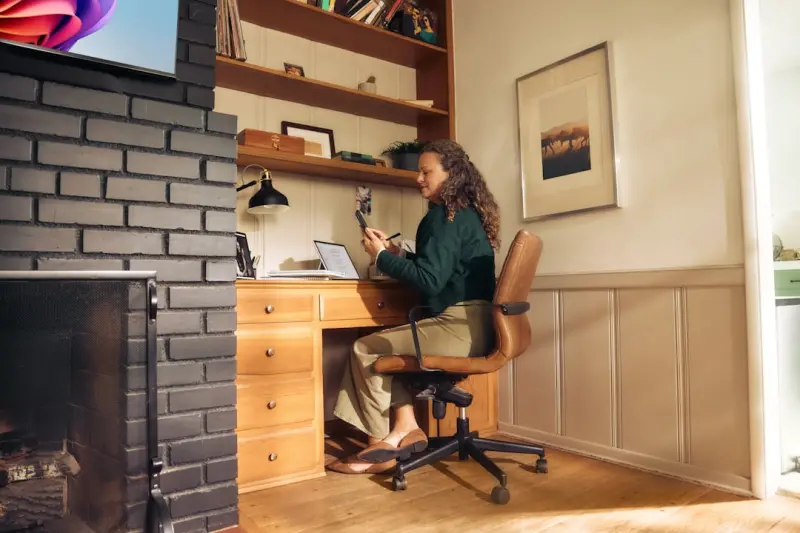
- Home Office: Position your desk near a window, use a slim metal desk lamp, and add a light‑colored rug to bounce daylight across the floor.
- Bathroom: Replace opaque shower curtains with frosted glass, add a mirrored vanity, and use white marble or quartz countertops to reflect light.
Final Thoughts: Light Is a Lifestyle Choice
Investing in natural light isn’t a one‑time project; it’s an ongoing practice of curating spaces that honor the sun’s rhythm. By making thoughtful, incremental changes—like swapping a curtain, adding a mirror, or choosing reflective finishes—you create a home that feels larger, more vibrant, and inherently healthier. So next time you glance at the sky, think of it as a design partner, ready to illuminate every corner of your sanctuary.

When it comes to the world of blogging and writing, Rose DesRochers is a name that stands out. Her passion for creating quality content and connecting with her audience has made her a trusted voice in the industry. Aside from her skills as a writer and blogger, Rose is also known for her compassionate nature.
Related Posts
Transform Your Home Into a Productivity Powerhouse
Learn how to map zones, streamline tech, and embed micro‑breaks so your home becomes a powerful al... Read More
Natural Air Refresh: Simple DIY Strategies for a Healthier Home
Learn practical, low‑cost ways to improve indoor air quality using plants, herb infusions, DIY cha... Read More

Evening Reset: The 10‑Minute Routine That Transforms Your Home
A simple, 10‑minute evening reset—covering entryway clear‑out, kitchen quick‑clean, light an... Read More
Top Posts

Narrative Nomad: Turning Every Trip Into a Story
Travel isn’t just about sights—it’s a living story. Discover how a capsule wardrobe, chronobiology hacks, and a narrative‑focused toolkit can transform ...Read More

Beyond the Itinerary: Crafting Immersive Sensory Journeys
Explore a fresh travel approach that engages all five senses—from soundscapes and scents to textures and flavors—turning ordinary trips into lasting, immers...Read More

Beyond Automation: How Generative AI Is Redefining Business Storytelling
A deep dive into generative AI’s role in crafting compelling business stories, aligning data with brand voice, and driving strategic impact....Read More

Cultivating a Backyard Office: How a Garden Desk Revives Home Life
From cubicle to garden oasis, I share how a backyard desk reshaped my daily routine, sparked creativity, and proved that outdoor workspaces are the secret to a ...Read More
0 Comments
Post Comment
You will need to Login or Register to comment on this post!