
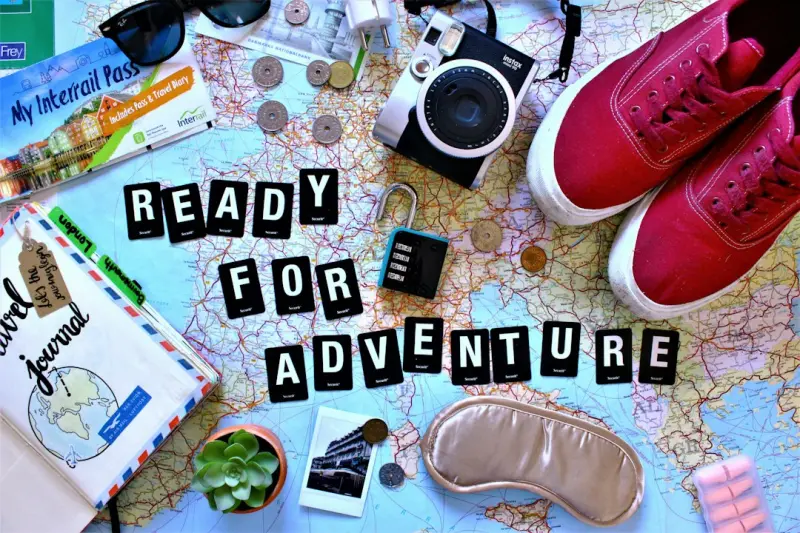
Travel as a Living Lab: How Wanderers Are Shaping Smarter Cities
Every time I step off a plane, the rush of new sights, sounds, and smells feels like an invitation to participate in an experiment I never signed up for. As a lifelong traveler who’s equally fascinated by design, technology, and human behavior, I’ve begun to see each journey not just as a personal escape, but as a contribution to a larger, data‑driven conversation about how our cities evolve. In this post, I’ll share why treating travel as a living lab can turn ordinary vacations into powerful civic collaborations, and how you can start harvesting insights on the go.
Why Cities Need a Living Lab
Urban planners have long relied on surveys, traffic counts, and static models to predict how a city will grow. Yet cities are living organisms, constantly reshaped by the very people who walk its streets. Traditional research methods often miss the spontaneous, nuanced interactions that define everyday life—how a commuter chooses a coffee shop, how a tourist navigates a public park, or how a street artist decides where to paint.
Enter the concept of the living lab: an open‑ended, real‑world environment where citizens, researchers, and businesses co‑create solutions in situ. By leveraging the collective observations of travelers, cities can gain a granular, real‑time view of what works and what doesn’t. This isn’t about surveillance; it’s about voluntary, crowdsourced insights that respect privacy while empowering communities.
From Backpacker to Urban Analyst: The Mindset Shift
Adopting a living‑lab mindset doesn’t require a PhD in urban studies. It starts with curiosity and a willingness to notice the mundane. Here are three mental pivots that helped me transition from a passive sightseer to an active data contributor:
- Observe with purpose: Instead of merely snapping photos, ask yourself why a particular sidewalk feels welcoming or why a bike lane seems underused.
- Ask “what if?” When you encounter a problem—say, a confusing transit map—consider how a simple redesign could improve the experience.
- Document responsibly: Use a notebook or a secure app to log observations, always being mindful of local regulations and cultural sensitivities.
When you frame each experience as a hypothesis to test, the entire trip becomes a series of mini‑experiments that can feed into larger urban narratives.
Tools of the Trade: Turning Observations into Actionable Data
Technology makes it easier than ever to capture and share insights without getting bogged down in spreadsheets. Below are my go‑to tools for turning raw observations into meaningful contributions.
1. Mobile Journaling Apps
Apps that allow offline note‑taking, tagging, and geo‑location stamping let you record moments as they happen. Look for features such as exportable CSV files and encryption to keep your data safe.
2. Photo‑First Platforms with Contextual Tags
Platforms like Traveling Light: Harnessing AI and Sensory Design for a Purposeful Journey demonstrate how AI can automatically tag images with environmental data (light levels, crowd density, noise). By adding your own qualitative notes, you create a richer dataset for city planners.
3. Anonymous Survey Links
Many municipal innovation portals now host open‑ended surveys where citizens can submit feedback. Bookmark these links before you travel so you can quickly contribute after a field observation.
4. Wearables for Ambient Data
While we must respect privacy, wearables can capture ambient metrics—temperature, humidity, even ambient sound levels—that help contextualize your qualitative observations. Pair this with a Digital Declutter mindset to avoid data overload and stay focused on the most salient signals.
Case Studies: Travelers Who Made an Impact
It’s easy to think that one traveler’s notes won’t matter, but history is full of examples where a single visitor’s insight sparked systemic change.
The Barcelona Bike Lane Reboot
In 2018, a group of cyclists on a backpacking tour posted a series of Instagram Stories highlighting how a popular bike lane was blocked by seasonal market stalls. Their visuals, coupled with a concise comment about safety concerns, were picked up by the city’s transportation department. Within weeks, the municipality adjusted the stall placement schedule, improving flow for both cyclists and vendors.
Tokyo’s “Quiet Zones” Initiative
During a research trip to Tokyo, I joined a local meetup of digital nomads who shared a common frustration: noisy co‑working spaces in residential neighborhoods. By aggregating their feedback into a shared spreadsheet and presenting it at a community council meeting, the city introduced “Quiet Zones”—designated hours where street vendors and delivery trucks reduced noise levels, enhancing the work environment without sacrificing street life.
Seoul’s Public Restroom Revamp
A solo traveler in Seoul used a crowdsourced mapping app to log the locations and cleanliness of public restrooms. The compiled data revealed gaps in service near major tourist attractions. The municipal sanitation department partnered with the app’s developers to prioritize upgrades, resulting in a 30% increase in user satisfaction scores within six months.
Ethical Considerations: Respect, Consent, and Impact
Turning travel into a living lab raises important ethical questions. The following principles guide responsible participation:
- Consent First: Never record individuals without explicit permission, especially in cultures where privacy is deeply valued.
- Transparency: When sharing observations with municipal bodies, disclose your role as a visitor and clarify that your data reflects personal perception.
- Beneficence: Aim to provide insights that improve public welfare, not just personal convenience.
- Data Minimization: Collect only the information necessary for your hypothesis, and delete raw data after it has served its purpose.
By adhering to these guidelines, you can ensure that your contributions are both valuable and respectful.
How to Start Your Own Urban Insight Journey
Ready to become a citizen scientist on your next trip? Follow this step‑by‑step framework to turn curiosity into concrete impact.
- Identify a Focus Area: Choose a theme—mobility, public spaces, waste management, or digital infrastructure—that aligns with your interests.
- Research Local Initiatives: Before you depart, look up the city’s open data portals, citizen hackathons, or community boards.
- Equip Yourself: Install a mobile journaling app, enable geo‑tagging on your camera, and pack a small, privacy‑focused wearable if you wish.
- Set Observation Goals: Define 3–5 specific questions you want to answer during your stay (e.g., “How often do pedestrians use the crosswalk at 5 pm?”).
- Engage Locally: Attend a community meeting or join a local meetup to share preliminary findings and learn about existing challenges.
- Submit Your Findings: Use official city channels or open‑source platforms to upload your data, ensuring you anonymize any personal identifiers.
- Reflect and Iterate: After your trip, review what worked and what didn’t. Adjust your methodology for future journeys.
The Business Angle: Travel Insights as Competitive Advantage
For B2B SaaS companies, especially those in the travel tech, real‑time urban insight is gold. By integrating traveler‑generated data into your product roadmap, you can:
- Enhance Destination Recommendations: Offer hyper‑personalized itineraries based on up‑to‑date crowd density and amenity quality.
- Inform Dynamic Pricing Models: Adjust pricing for services (e.g., bike rentals, tours) in response to observed demand fluctuations.
- Support Municipal Partnerships: Provide cities with aggregated, anonymized data that helps them improve infrastructure, creating a win‑win scenario.
When your platform demonstrates tangible civic benefits, you not only boost brand reputation but also unlock new revenue streams through public‑private collaborations.
Future Trends: The Rise of “Insight‑Travel” Packages
Travel agencies are already piloting “insight‑travel” packages where guests join structured observation tours led by urban designers. Participants receive a toolkit, a brief on research questions, and a post‑trip debrief with city officials. As demand grows, we can expect a niche market of “travel‑research” itineraries—think guided walks that map accessibility for wheelchair users, or culinary tours that track food waste patterns in markets.
These packages will likely integrate gamified elements, rewarding travelers with digital badges or micro‑grants for high‑quality contributions. The synergy between leisure and civic science could redefine what it means to be a tourist in the next decade.
Conclusion: Turn Wanderlust into a Force for Good
Travel has always been about discovery, but it can also be about co‑creation. By approaching each trip as a living lab, we transform fleeting moments into data points that help shape the future of our cities. Whether you’re a solo backpacker, a corporate traveler, or a product manager seeking fresh insights, the tools and mindset are within reach. Your next adventure could be the catalyst for a smarter, more inclusive urban landscape—one observation at a time.

Mei Chen is a dynamic professional who brings a unique blend of skills to Blogging Fusion. As a key contributor to the Blogging Fusion platform, she leverages her writing expertise to create engaging content that resonates with our audience.
Related Posts

Travel Light, Think Deep: Building a Minimalist Toolkit for Global Problem‑Solving
A minimalist travel toolkit, combined with micro‑habits, turns ordinary trips into powerful innova... Read More

Travel With Purpose: Turning Trips Into Positive Impact
Travel is evolving from sightseeing to purpose‑driven experiences. Learn how to design trips that ... Read More
When the Unexpected Becomes the Highlight: Embracing Travel Detours
Travel’s most memorable moments often come from surprise detours. This article explores the scienc... Read More
Top Posts
Turning Transit Time into a Playground for Curiosity
Discover a fresh travel mindset that turns ordinary commutes into a sandbox for observation, spontaneous collaboration, and mini‑projects, boosting creativity...Read More
Building a Portfolio Career Inside Your Company
Learn to create a dynamic portfolio career inside your company, balancing varied projects, visibility, and well‑being for lasting professional success....Read More
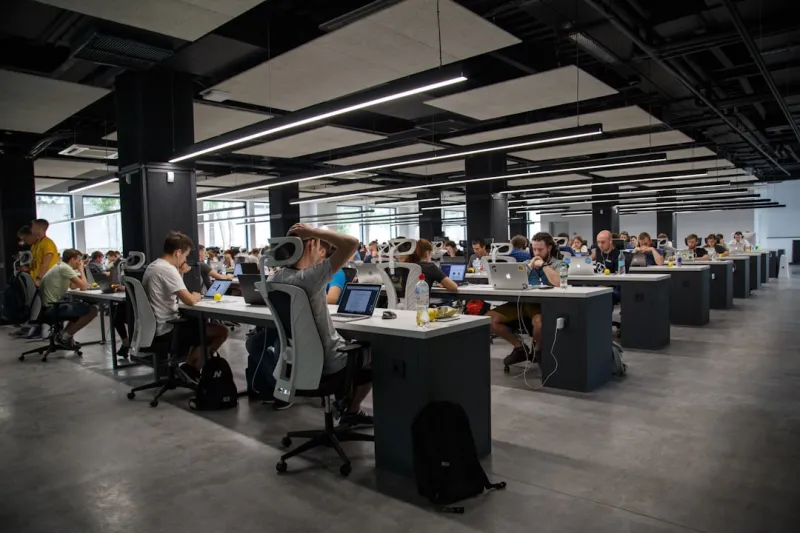
From Cubicle to Garden: Rethinking Employment in the Outdoor Era
I swapped my fluorescent cubicle for a garden desk and never looked back—here’s why outdoor workspaces are the secret weapon for today’s employee. They bo...Read More
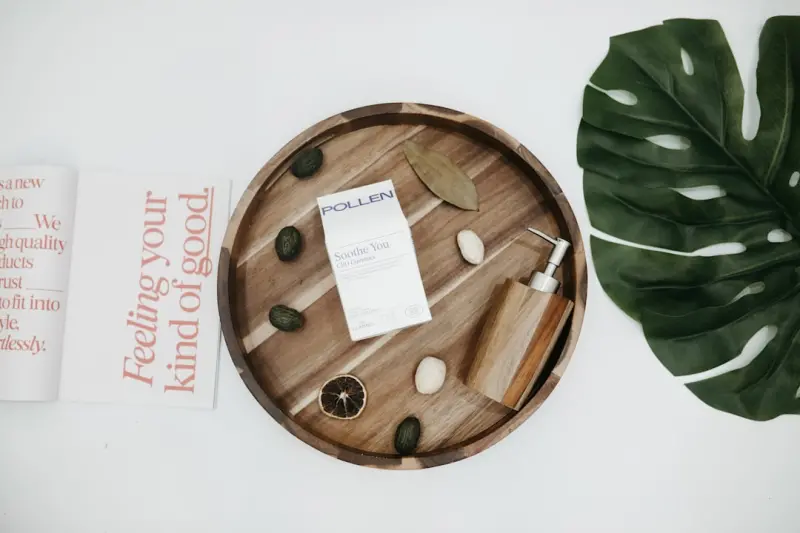
Ritual‑Driven Personal Care: Turning Everyday Moments into a Power‑Up
A deep dive into how purposeful personal‑care rituals can sharpen focus, elevate energy, and improve overall resilience, turning everyday grooming into a stra...Read More
0 Comments
Post Comment
You will need to Login or Register to comment on this post!