
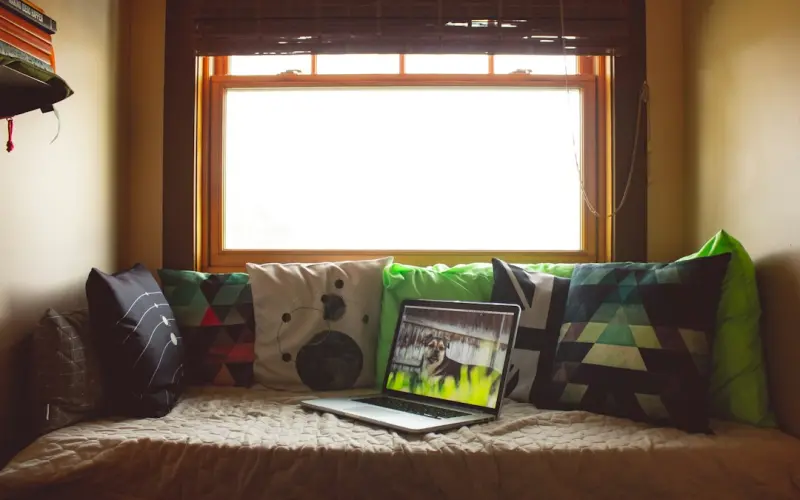
Why Quiet Efficiency Matters More Than Ever
When the world feels louder, the home should feel like a low‑volume sanctuary. I’ve spent years tweaking my own space, testing every cushion, bulb, and shelf until the house stopped demanding attention and started supporting it. The goal isn’t to strip away personality; it’s to strip away the hidden friction that drains energy, focus, and peace.
Step 1: Conduct a “Noise‑Budget” Audit
Just as a financial audit reveals hidden expenses, a noise‑budget audit uncovers invisible disturbances. Walk through each room and note three things:
- Visual clutter – piles of mail, stray chargers, or mismatched décor that draw the eye.
- Acoustic clutter – humming appliances, echoing hallways, or the constant buzz of a refrigerator.
- Airflow and scent – stale air or lingering cooking odors that subtly stress the nervous system.
Write these observations down. Seeing them on paper makes it easier to prioritize fixes that will have the biggest impact on your day‑to‑day calm.
Step 2: Light the Way—Strategic Illumination
Lighting isn’t just about visibility; it shapes mood, circadian rhythm, and even productivity. Here’s a quick cheat sheet:
- Layered lighting: Combine ambient (soft ceiling), task (desk lamp), and accent (LED strips) sources. Each layer serves a purpose without competing.
- Color temperature matters: Warm 2700‑3000K lights for evenings encourage melatonin production, while cooler 4000‑5000K lights in the morning boost alertness.
- Smart controls: Use programmable dimmers or voice‑activated hubs to shift scenes automatically—no need to fumble for switches.
If you’re looking for inspiration on how to turn a regular room into a focused zone, check out this guide on transforming your living area into a productivity hub. The principles of layered lighting are a core part of that transformation.
Step 3: Purify the Air Without a Whole‑House System
Most homes rely on HVAC filters that are replaced only once or twice a year. In the meantime, airborne pollutants—dust, VOCs from paints, and even pet dander—circulate unnoticed. Simple, low‑cost actions can dramatically improve indoor air quality:
- Houseplants as natural filters: While a micro‑herb windowsill garden gives you fresh basil, plants like snake plant, pothos, and peace lily absorb formaldehyde and boost oxygen at night.
- Ventilation hacks: Open windows for 5‑10 minutes during the coolest part of the day to create a cross‑draft. If security is a concern, install magnetic screen doors that stay open yet keep bugs out.
- DIY charcoal filters: Place a small bag of activated charcoal in each room’s corner. It absorbs odors and chemicals without any electricity.
Step 4: Sound Management—From Echoes to Harmony
Sound travels farther than you think. A hard‑floored hallway can amplify footfalls, while an open kitchen can turn the dishwasher’s whir into a daily percussion concert. Consider these acoustic tweaks:
- Soft furnishings: Add a plush rug, heavy curtains, or upholstered ottomans. They absorb mid‑range frequencies that are most irritating.
- Acoustic panels: Decorative fabric‑wrapped panels double as artwork while deadening reverberation. Even a simple cork board can act as a mini‑absorber.
- White‑noise allies: A small tabletop fan or a dedicated white‑noise machine can mask sudden spikes (like a door slamming) and create a consistent “room tone” that the brain learns to ignore.
When you control the soundscape, you free up mental bandwidth for creative work or genuine relaxation.
Step 5: Furniture That Works Twice (or Thrice)
Every piece of furniture should earn its square footage. Multi‑functional design is the antidote to cramped living. Here are my top picks:
- Fold‑out desks: Wall‑mounted desks that tuck away when not in use keep the floor clear and provide a dedicated workspace without a permanent office.
- Storage ottomans: Use the interior to stash blankets, magazines, or seasonal décor, then pull them out as needed.
- Convertible sofa‑beds with built‑in USB ports: Perfect for a guest‑ready bedroom that doesn’t dominate the living room.
Pair these with a scent and color strategy to ensure the furniture isn’t just functional but also contributes to a calming environment.
Step 6: DIY Upgrades That Pay Off Instantly
You don’t need a contractor to make meaningful changes. Try these weekend projects:
- Magnetic knife strip in the kitchen: Frees up drawer space and keeps blades visible, reducing the risk of accidental cuts.
- Under‑cabinet LED strips with motion sensors: Provide instant task lighting for cooking or reading without turning on a bright overhead fixture.
- Velcro cable organizers: Tame the spaghetti of chargers and HDMI cords behind your entertainment center. Label each bundle for quick identification.
- Reflective wall panels: Small mirrored tiles placed opposite a window amplify natural light, making a room feel larger and more inviting.
Step 7: Personal Touches That Anchor Calm
Finally, sprinkle in elements that remind you why you made these changes. These aren’t trends; they’re personal rituals.
- Signature scent: Choose a subtle essential‑oil diffuser (lavender for evenings, citrus for mornings). Keep it consistent so your brain learns to associate the aroma with relaxation or focus.
- Color accents: A single piece of art or a pillow in your favorite hue can serve as a visual cue that it’s time to pause and breathe.
- Mindful entryway: A small bench, a tray for keys, and a “thinking” jar (where you drop a note about a lingering thought) create a mental buffer before you step into the rest of the house.
These details are the finishing strokes on a canvas that’s already been cleared of clutter, noise, and stale air.
Putting It All Together: A 30‑Day Quiet Efficiency Challenge
To turn ideas into habit, I recommend a simple 30‑day challenge. Each day, tackle one micro‑task from the list above. By the end of the month you’ll have:
- Reduced visual clutter by at least 40%.
- Installed layered lighting in two high‑traffic rooms.
- Added three air‑purifying plants.
- Implemented acoustic softening in one noisy area.
- Replaced two pieces of single‑purpose furniture with multi‑functional alternatives.
- Completed three DIY upgrades.
- Established a personal scent and color routine.
Document the changes with before‑and‑after photos. Not only will you see tangible improvements, but you’ll also reinforce the habit loop: cue (clutter), routine (clear), reward (calm).
Conclusion: Your Home as a Quiet Power‑Plant
When you treat your house like a strategic system rather than a passive backdrop, you unlock a hidden reservoir of energy, focus, and wellbeing. The changes don’t need to be massive; they just need to be intentional. By auditing noise, lighting, air, sound, and furniture, you create a ripple effect that elevates every aspect of daily life. So roll up your sleeves, grab a notebook, and start engineering the quiet efficiency your home—and you—deserve.

Seth Samual is a name that's quickly becoming synonymous with compelling and insightful writing. As a freelance writer, Seth has carved a niche for himself by delivering high-quality content across a diverse range of subjects.
Related Posts

Seasonal Home Comfort Hacks: Low‑Effort Ways to Stay Cool and Cozy All Year
Learn practical, budget‑friendly tricks to improve airflow, insulate windows, and use smart device... Read More

Seasonal Space Swaps: Refresh Your Home Every Few Months for Energy and Focus
Discover a practical framework for seasonal home swaps that revitalize each room, boost focus, and a... Read More
Sound‑Smart Home: Crafting Audio Zones for Focus, Calm, and Joy
Discover how to turn everyday noises into purposeful soundscapes by auditing your home’s acoustics... Read More
Top Posts
When Your Body Clock Calls: Crafting Personal Care Routines for Every Chronotype
Discover how aligning your personal care rituals with your natural chronotype—whether you’re a lark, owl, or somewhere in between—can boost skin health, m...Read More

Tuning Your Workday: How Curated Soundscapes Boost Mental Health
Learn how intentional audio design can transform your workspace, lower stress, and sharpen focus. This guide walks you through auditing, curating, and automatin...Read More
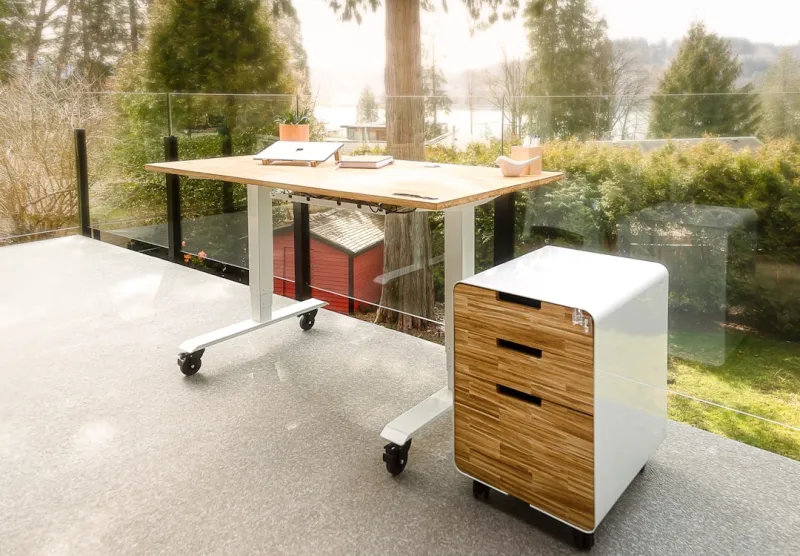
From Cubicle to Garden: How Outdoor Desks Are Transforming Employment
Explore how swapping a cubicle for a garden desk can boost well‑being, creativity, and performance, and learn practical steps to make the transition....Read More

The Quiet Power of AI in Driving Corporate Sustainability
AI is reshaping corporate sustainability by turning scattered environmental data into clear, actionable insights. From real‑time emissions tracking to predict...Read More
0 Comments
Post Comment
You will need to Login or Register to comment on this post!