
Why Travel Needs a Reset: From Gadget‑Heavy Tours to Sensory‑First Exploration
When I first quit my corporate grind to become a full‑time wanderer, my suitcase was a high‑tech shrine: power banks, noise‑cancelling headphones, a smartwatch that could track everything from heart rate to humidity. I thought the more data I could capture, the richer the experience would be. What I learned on the road was that the very tools designed to amplify our connection to the world often become the barrier that drowns out its subtle flavors.
In the past few years, a new generation of travelers has started asking a different question: How can I travel in a way that feels intentional, sustainable, and truly present? The answer isn’t a return to the analog past, nor is it an all‑in‑digital future. It’s a hybrid that leverages AI as a personal curiosity coach while redesigning each moment to engage the five senses deliberately. This approach, which I call sensory‑first travel, flips the script on traditional itineraries and invites the traveler to become a curator of experience rather than a collector of checkmarks.
The Five‑Senses Blueprint: Building a Travel Framework That Listens, Looks, Tastes, Touches, and Smells
Before you even book a flight, ask yourself which sense you want to prioritize on this trip. The answer will shape everything from destination choice to packing list.
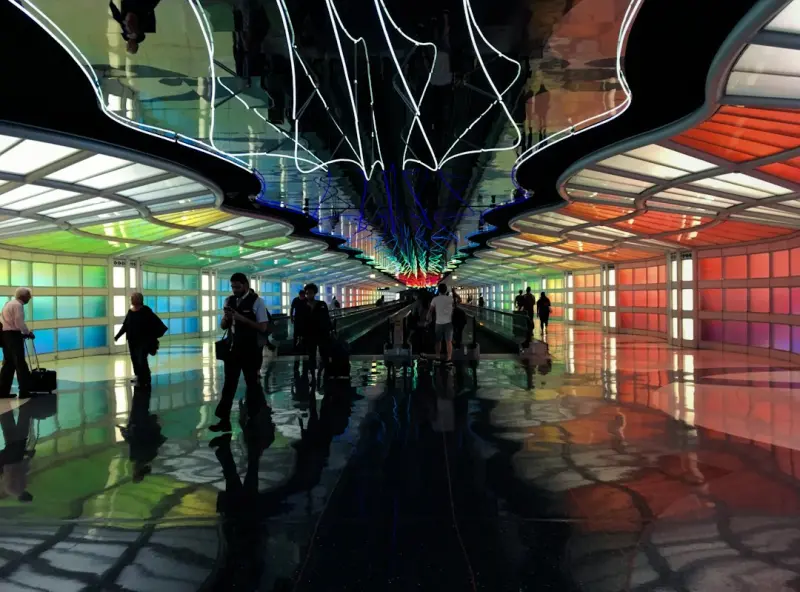
- Sight – Seek out locations where light plays a pivotal role: sunrise over a desert, neon‑lit night markets, or the gentle glow of a lantern‑lit village. Visual storytelling becomes the backbone of your travel diary.
- Sound – Instead of the constant drone of a cabin, hunt for places with distinctive acoustic signatures: the rhythmic crash of waves on a cliff, the soft hum of a traditional market, or the subtle rustle of alpine forests. Pair this with a home acoustic tip to bring those sounds back home.
- Smell – Follow the scent trail. A spice market in Marrakech, pine‑scented air in the Scottish Highlands, or the salty breeze of a coastal town can become memory anchors that outlast any photograph.
- Taste – While I’m not writing a culinary pilgrimage here, taste remains a powerful sensor. Instead of a generic food tour, pick one ingredient or flavor profile and trace it through the places you visit, noticing how terroir changes it.
- Touch – Feel the texture of your environment: the cool stone of an ancient temple, the rough bark of a redwood, the soft sand beneath your feet. These tactile moments ground you in the present and can be amplified with mindful practices like breathwork.
By anchoring your trip in a sensory goal, you instantly reduce the temptation to over‑pack gadgets and instead bring items that support that experience: a lightweight journal for sketches, a high‑fidelity earplug for sound immersion, or a small bottle of essential oil to recall a favorite aroma later.
Minimalist Packing: The Art of Carrying Light While Carrying Deep
Traveling light isn’t just about saving luggage fees; it’s a mindset that aligns perfectly with sensory‑first exploration. Here’s a step‑by‑step guide I refined over dozens of journeys:
- Define Your Sensory Anchor. If you’re chasing the sound of ocean tides, a compact waterproof speaker and a simple, high‑quality pair of earbuds may be all you need. If sight is your focus, a slim, high‑resolution camera replaces bulky DSLR gear.
- Choose Multi‑Functional Gear. A scarf that doubles as a blanket, a travel pillow that can become a seat cushion, or a jacket with built‑in solar panels for charging devices.
- Adopt a Capsule Wardrobe. Select versatile pieces in neutral tones that layer well. Aim for 4 tops, 2 bottoms, 1 outer layer, and 2 pairs of shoes that can handle both city strolls and nature hikes.
- Digital Declutter. Use AI tools to auto‑organize travel documents, create dynamic itineraries, and even recommend off‑beat sensory spots based on your past preferences.
- Leave Space for Souvenirs. The most meaningful souvenirs are rarely mass‑produced trinkets. Leave a small, empty slot in your bag for a locally sourced scent, a stone, or a handwritten note.
The result? A suitcase that feels like an extension of your curiosity rather than a burden. And because you’re not weighed down, you’re free to move spontaneously—catch a sunrise train, linger at a hidden waterfall, or wander a quiet alley that isn’t on any guidebook.
AI as Your Curiosity Coach: Crafting Dynamic, Sensory‑Driven Itineraries
Remember when travel planning meant flipping through glossy magazines and hoping the recommended “must‑see” spots resonated with you? Those days are fading. Modern AI platforms can now act as personal curiosity coaches, analyzing your past trips, preferred senses, and even current mood to suggest micro‑experiences that align perfectly with your travel intent.
Here’s how to put this into practice:
- Input Your Sensory Preference. Most AI travel assistants let you select categories like “audio‑rich environments” or “visual architecture.” Choose the one that matches your current focus.
- Feed Real‑Time Data. Sync your wearable’s heart‑rate or ambient sound levels to the AI, allowing it to recommend quieter cafés when your stress levels rise or more vibrant festivals when you feel energized.
- Iterate On‑The‑Go. As you move through a city, the AI can adapt. If you linger at a museum longer than expected, it may suggest nearby street art that satisfies your visual craving without a ticket.
- Balance Exploration and Rest. The algorithm can schedule “sensory resets”—short pauses for meditation, a quick nap, or a walk in a park—ensuring you don’t burn out before the trip ends.
This dynamic approach mirrors the flexibility of a live jazz performance: you have a structure, but you improvise based on the moment’s vibe. And because the AI learns from each interaction, your future trips become progressively more attuned to your evolving curiosity.
Case Study: From Tech Conference to Alpine Soundscape
Last fall, I was slated to attend a three‑day AI conference in Zurich. My itinerary was packed with panels, networking events, and a heavy schedule of client calls. Rather than let the trip become a series of Zoom windows, I let my curiosity coach reshape the experience.
First, I set my sensory anchor to “sound.” The AI flagged a hidden alpine village just two hours by train where the only “background noise” was wind through pine trees and distant cowbells. I swapped a late‑night conference dinner for a sunrise hike, equipped only with a lightweight recorder to capture the morning chorus.
While the conference provided valuable professional insights, the sensory detour rejuvenated my mental bandwidth. When I returned to the city, I found myself more present in each session, able to ask deeper questions and connect authentically with fellow attendees. The trip became a hybrid of intellectual stimulation and sensory rejuvenation—a model I now replicate whenever possible.
Integrating Sustainable Practices: The Eco‑Sensory Loop
Travel isn’t just about personal enrichment; it’s also a responsibility to the places we visit. By focusing on senses, you naturally gravitate toward low‑impact activities:
- Walk or Cycle. You hear the city’s heartbeat better on foot. It reduces carbon emissions and opens up alleyways and side streets that buses skip.
- Choose Locally Sourced Aromas. Instead of synthetic room sprays, support markets that sell locally harvested herbs and essential oils. Bring a small vial home to re‑experience the place later.
- Engage with Community Art. Public murals, street musicians, and open‑air performances are free, authentic, and amplify local voices.
- Practice “Leave No Trace” Touch. When you interact with natural environments—touching rock formations, feeling river water—make sure you leave them exactly as you found them, preserving them for the next sensory explorer.
In fact, the cold‑exposure benefits highlighted in another post can be experienced responsibly by taking a dip in a naturally cold lake rather than an energy‑intensive indoor pool. The sensation of icy water on your skin heightens awareness, improves circulation, and cements the memory of that place in your mind.
Digital Detox Without Missing Out
One of the biggest paradoxes of modern travel is the fear of “missing out” when you disconnect. The sensory‑first model reframes this fear. By investing in real‑world sensations, you naturally deprioritize the endless scroll of social media. Here’s a practical routine:
- Morning Ritual. Before checking your phone, spend five minutes with a sensory journal—note the air temperature, ambient sounds, and any scents you notice.
- Midday Check‑In. Use a single, purpose‑built app that consolidates navigation, translation, and emergency contacts. Turn off all other notifications.
- Evening Reflection. Capture the day’s highlight with a single photograph or audio clip, then store it in a cloud‑based “sensory album” that you’ll revisit months later.
This method ensures you’re still leveraging technology for safety and convenience while allowing your senses to remain the primary storytellers.
Bringing the Experience Home: Sensory Memory Curation
After you return, the journey doesn’t have to fade into a series of vague recollections. Create a “sensory scrapbook” that combines photos, sound bites, scent samples, and tactile items. Here’s a template I use:
- Page Header. Destination + primary sensory anchor.
- Visuals. One signature photograph that captures the visual essence.
- Audio QR Code. Record a 30‑second clip of a local sound (market chatter, river flow) and embed a QR code that plays it on a phone.
- Scent Vial. Secure a tiny sealed vial with a local fragrance—lavender from Provence, pine from the Alps.
- Touch Note. A small fabric swatch or stone, with a brief description of where you found it.
This physical artifact becomes a personal museum, reinforcing the lessons and emotions you gathered. When you look back, you won’t just remember “Paris was beautiful”; you’ll recall the exact note of a street musician’s violin, the crispness of the morning air, and the smoothness of the marble bench you sat on.
Future‑Proofing Your Travel Philosophy
Travel trends will always evolve—new AI platforms, emerging sustainability standards, and shifting geopolitical landscapes. However, the core of sensory‑first travel is timeless: it places the human body and mind at the center of exploration.
To keep your approach fresh, set an annual “sensory audit.” Review past trips, identify which sense you over‑ or under‑utilized, and adjust your next itinerary accordingly. Pair this with an updated AI model that learns from your audit, ensuring each future journey feels more curated and less curated by generic travel blogs.
In the end, traveling light isn’t about carrying fewer items; it’s about carrying more intention. By letting AI handle the logistics and your senses guide the experiences, you create a travel rhythm that feels both high‑tech and deeply human.

Tyler Johnson is a seasoned freelance writer with a keen eye for detail and a passion for crafting compelling narratives. His years of experience have honed his ability to adapt his style to suit diverse client needs and project requirements.
Related Posts
Savoring the Journey: A Sensory Approach to Modern Travel
A fresh look at travel that invites readers to engage all five senses, turning ordinary trips into u... Read More
Passport to Purpose: Make Every Trip a Creative Engine
Discover a systematic approach to make every journey a catalyst for innovation, using micro‑journa... Read More

Travel Sprints: Turning Mini‑Escapes into High‑Impact Growth Sessions
Learn how to treat short getaways as design sprints, using AI planning, minimalist packing, and micr... Read More
Top Posts

Seasonal Home Comfort Hacks: Low‑Effort Ways to Stay Cool and Cozy All Year
Learn practical, budget‑friendly tricks to improve airflow, insulate windows, and use smart devices for year‑round comfort without heavy HVAC reliance....Read More

Revitalizing Personal Care for the Remote‑Work Era
A fresh personal‑care blueprint for remote workers, blending mindful habits, DIY recipes, and micro‑movements to transform your home office into a nurturing...Read More

When AI Becomes Your Customer Success Co‑Pilot
AI is shifting customer success from reactive support to proactive partnership. By using predictive health scores, real‑time dashboards, and AI‑generated ou...Read More

Travel‑First Thinking: Turning Journeys into Strategic Growth Engines
Learn to treat every trip as a purposeful catalyst for professional growth by adopting a travel‑first mindset, embedding mini‑habits, and leveraging curiosi...Read More
0 Comments
Post Comment
You will need to Login or Register to comment on this post!