

Why One‑Night Escapes Are the Secret Weapon of High‑Performing Professionals
When I first booked a single‑night stay in a mountain town after a marathon week of client pitches, I expected the usual “just a break.” What I got instead was a mental reboot so profound that I returned to the office with ideas that felt hand‑crafted rather than forced. The experience made me realize that short, intentional getaways aren’t just a luxury—they’re a strategic tool for anyone who wants to stay ahead in a fast‑moving career.
Reframing “Vacation” as a Tactical Asset
Most of us think of vacation as a long, leisurely period where work fades into the background. That model works for some, but it also comes with hidden costs: idle time, loss of momentum, and the dreaded “post‑vacation slump.” The alternative is a series of micro‑escapes—intentional trips of 24‑48 hours that are purposefully designed to fuel creativity, sharpen focus, and build resilience.
These bursts of distance serve three core functions:
- Context Reset: A new environment forces your brain to discard stale assumptions and see problems through a fresh lens.
- Skill Stretch: Navigating unfamiliar places hones adaptability, a skill that directly translates to better decision‑making at work.
- Network Refresh: Short trips often bring you into contact with locals, niche communities, and fellow travelers who can become unexpected collaborators.
Choosing the Right Destination for a Power‑Up
Not every weekend getaway will deliver the same boost. The key is aligning the destination’s intrinsic qualities with the professional goal you’re chasing.
Here are three categories to consider:
- Nature‑Immersive Spots: Think forests, lakes, or desert retreats. The natural rhythm of these places slows down internal noise, making space for deep thinking. I once spent a night in a cabin near a quiet lake and emerged with a breakthrough branding concept for a client—something that had eluded me for months.
- Creative Hubs: Cities known for art, design, or tech meet‑ups (like Berlin’s Kreuzberg district or Austin’s East Austin). A short immersion in a creative ecosystem can spark ideas you can directly apply to projects.
- Industry‑Specific Micro‑Conferences: Some towns host ultra‑focused gatherings—think a two‑day fintech hackathon in a mountain resort. Even if you’re not presenting, the exposure to niche conversations can accelerate learning.
Designing the Escape: A Mini‑Travel Blueprint
If you’ve ever tried to design a personal travel dashboard, you know the power of intentional planning. Apply the same rigor to a short trip, but simplify the framework:
- Objective: What professional outcome do you want? (e.g., generate three new content ideas, practice public speaking, build a new connection.)
- Location Scan: Choose a place that naturally supports that objective.
- Micro‑Itinerary: Map out 2–3 high‑impact activities (a hike at sunrise, a local workshop, a coffee with a community leader).
- Reflection Buffer: Allocate at least an hour before departure to journal insights and outline next steps.
This lean approach keeps the trip from feeling like “just another vacation” and turns it into a focused, repeatable habit.
The Science Behind Short‑Term Travel Benefits
Researchers in cognitive psychology have long studied the “psychological distance” effect—how physical distance from everyday environments can improve abstract thinking. A single night away is often enough to trigger this effect without the fatigue that longer trips can cause.
Additionally, community‑centric travel experiences teach you to listen actively and adapt quickly, sharpening soft skills like empathy and negotiation. Even a brief interaction with a local shopkeeper can provide a masterclass in reading non‑verbal cues—a subtle but valuable asset for any leader.
Practical Tips to Maximize ROI from a One‑Night Trip
Below are my tried‑and‑tested hacks to ensure every short escape feels like a strategic investment:
- Disconnect, Then Reconnect: Turn off work notifications for the first half of your stay. In the second half, use a single, purposeful digital touchpoint (e.g., a quick LinkedIn message to a new contact you met).
- Carry a “Idea Capture” Kit: A small notebook, a pen, and a voice recorder. Inspiration often strikes while you’re on a train or walking a trail.
- Leverage the Power of “Morning Pages”: Write three pages of stream‑of‑consciousness thoughts first thing in the morning. This habit, popularized by Julia Cameron, clears mental clutter and makes room for new concepts.
- Schedule a “Post‑Trip Sprint”: Within 48 hours of returning, block out two hours to act on at least one insight you gathered. This converts abstract ideas into concrete results.
- Mindful Physical Reset: Even a short, brisk walk in a new setting can boost neuroplasticity. Pair it with deep breathing to amplify the calming effect.
Case Study: From a 24‑Hour City Break to a Product Innovation
Three months ago, I booked a spontaneous overnight stay in a coastal town known for its vibrant surf culture. My goal was simple: break the creative block surrounding a new SaaS onboarding flow.
Here’s the timeline:
- Day 1 – Arrival: I checked into a boutique hotel and took a sunrise walk along the pier. The rhythmic crashing of waves sparked an analogy—onboarding should feel like a tide, gently guiding users forward.
- Midday – Local Workshop: I joined a short surf‑safety class. The instructor emphasized “progressive learning”—starting with fundamentals before tackling big waves. That mirrored the need for progressive disclosure in our UI.
- Evening – Reflection: Over a local dinner, I jotted down three concrete design tweaks inspired by the day’s experiences.
- Day 2 – Return: Back at the office, I ran a rapid prototype test based on the “tide” concept. The results showed a 15% increase in user completion rates within the first week of testing.
This micro‑escape turned a vague problem into a tangible solution, all within 48 hours.
Integrating Short Escapes Into a Busy Professional Calendar
One of the biggest objections I hear is “I don’t have time.” The reality is that high‑performers already schedule “focus blocks” and “deep work” sessions. Treating a 24‑hour trip as a focus block for the mind is a natural extension.
Here’s a sample monthly cadence:
| Week | Activity |
|---|---|
| 1 | Standard work week |
| 2 | Two‑day micro‑escape (nature‑focused) |
| 3 | Standard work week |
| 4 | Creative‑hub city visit (evening networking) |
Even two short trips a month can create a rhythm of renewal that sustains high output without the burnout that comes from marathon work cycles.
Addressing Common Concerns
- Cost: Choose budget‑friendly options—train travel, Airbnb stays, or even house‑sitting swaps. The ROI in mental clarity often outweighs the monetary outlay.
- Team Perception: Communicate the purpose of your escape as a professional development activity. Many leaders appreciate the proactive approach to self‑care and innovation.
- Logistics: Use travel‑planning tools (or a simple spreadsheet) to keep packing, itinerary, and follow‑up tasks organized. Treat it like any other project.
Future‑Proofing Your Career With Travel‑Based Learning
In an era where remote work and hybrid teams dominate, the ability to self‑direct learning experiences is a competitive advantage. Short, purposeful trips are a form of experiential micro‑learning that can’t be replicated in a Zoom call.
When you return, you’ll notice:
- Sharper problem‑solving skills thanks to diverse sensory inputs.
- A broader network of contacts who can offer fresh perspectives.
- Increased resilience as you become comfortable navigating uncertainty—a critical trait for future leadership.
Think of each micro‑escape as a “skill‑stacking” exercise—another entry in the portfolio that signals adaptability and curiosity.
Ready to Try Your First Power‑Up Getaway?
Start simple: pick a destination within a two‑hour train ride, define one clear objective, and allocate a single evening for reflection. Document the experience, share a brief note with your manager (or your team) about the insight you gained, and schedule the next one. Before long, you’ll have a curated collection of travel‑fuelled breakthroughs that keep you at the top of your game.

In the world of freelance writing, where creativity and adaptability are paramount, Michelle Fisher stands out as a dedicated and versatile professional. With a passion for crafting compelling narratives and a keen eye for detail, Michelle has established herself as a trusted voice.
Related Posts

Rails & Reverie: Rediscovering the Romance of Train Travel
Miranda Murphy uncovers the hidden charm of train travel, guiding readers through micro‑adventures... Read More
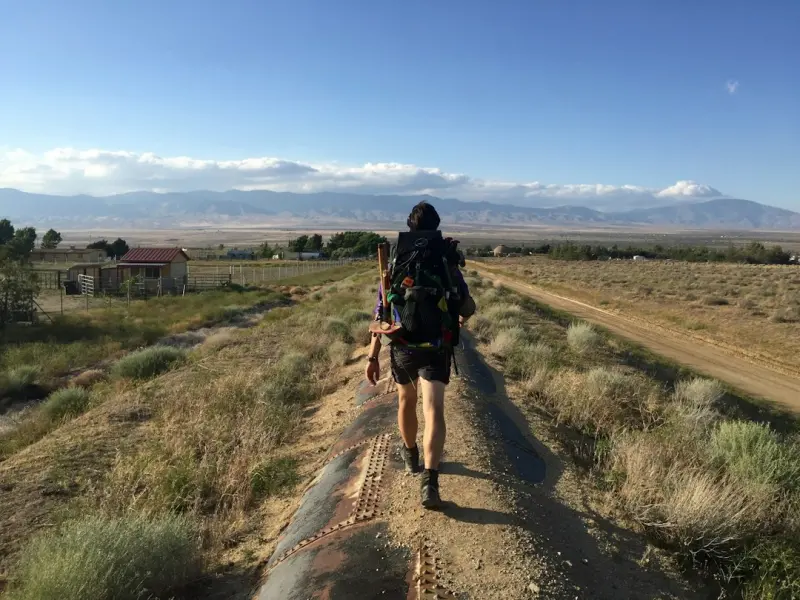
Narrative Nomad: Turning Every Trip Into a Story
Travel isn’t just about sights—it’s a living story. Discover how a capsule wardrobe, chronobio... Read More
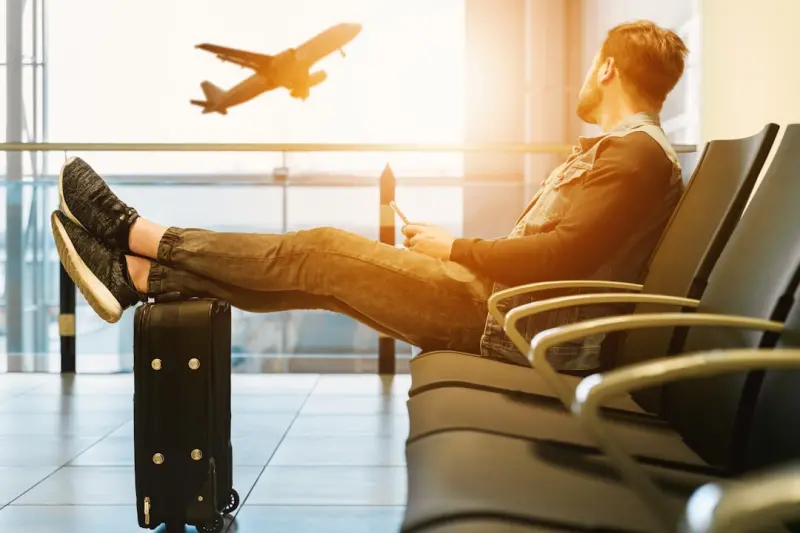
How Intentional Disconnect Transforms Your Travel Experience
A guide to purposeful travel that emphasizes digital detox, minimalist packing, and authentic local ... Read More
Top Posts

Micro‑Movements: Tiny Shifts for Big Health Gains
Micro‑movements are bite‑sized actions you can weave into everyday routines, offering cardiovascular, metabolic, and mental health benefits—perfect for bu...Read More
Unlocking Health: How Simple Breathwork Can Transform Your Daily Well‑Being
A practical guide to using conscious breathing for stronger immunity, calmer mind, and higher daily energy—simple steps you can start today....Read More
Why Internal Talent Marketplaces Are the Secret Sauce of Modern Employment
Internal talent marketplaces turn employees into dynamic resources, fostering cross‑functional growth, faster project delivery, and higher retention in the fa...Read More

When AI Hallucinations Slip Into SaaS: Guarding Trust and Revenue
AI hallucinations can silently erode trust in B2B SaaS platforms. This post explores why they happen, their hidden costs, and a step‑by‑step playbook—RAG,...Read More
0 Comments
Post Comment
You will need to Login or Register to comment on this post!