
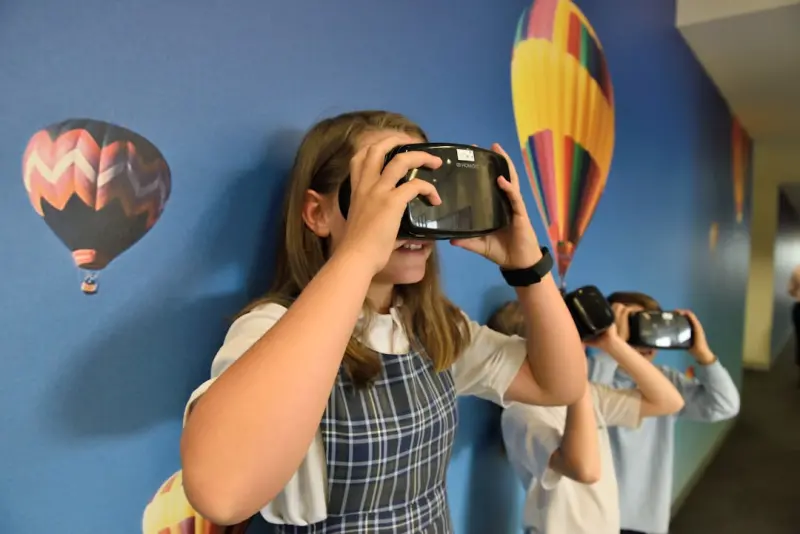
Why Travel Needs a Sensory Upgrade
We’ve all been there—checking the next flight on a cramped screen, snapping a quick photo, and rushing to the next landmark before the sun sets. The standard travel checklist (passport, charger, itinerary) works, but it leaves a crucial element untouched: the body’s full sensory capacity. When we travel, we’re not just moving from point A to point B; we’re stepping into a new orchestra of sights, sounds, smells, textures, and flavors. By deliberately engaging all five senses, you transform a routine trip into an unforgettable, mind‑body experience.
The Science Behind Sensory Travel
Neuroscientists tell us that memories are strongest when multiple sensory pathways fire simultaneously. A visual snapshot of a mountain range is nice, but when that image is paired with the crisp alpine air, the pine‑scented wind, the crunch of gravel underfoot, and the distant echo of a mountain stream, the brain creates a richer, more durable memory trace. This multisensory encoding also triggers the release of dopamine and oxytocin—chemicals linked to joy and social bonding—making the journey feel rewarding on a biochemical level.
1. Curate Your Soundtrack: From Ambient to Adaptive
Sound is the most under‑utilized travel tool. Instead of defaulting to the white noise of airplane engines, think of sound as a dynamic companion:
- Ambient local tracks: Before you land, stream recordings of the city’s natural soundscape—birdsong from a Japanese garden, the chatter of a Barcelona market, the distant call to prayer in Marrakech. This primes your brain to sync with the destination’s rhythm.
- Adaptive playlists: Use AI‑driven platforms that adjust tempo based on your activity. A faster beat for hiking, a slower tempo for museum visits.
- Ear‑level health hacks: Consider using sound to elevate focus, recovery, and sleep while on the road. Noise‑cancelling earbuds paired with binaural beats can help you recover after long transits, keeping your energy reserves high for the next adventure.
2. Scent‑Mapping Your Destination
Smell is the sense most closely linked to memory. While most travelers focus on visual landmarks, you can create a scent map that guides you through a city’s aromatic identity.
- Research local fragrances: From the citrus groves of Amalfi to the incense markets of Chiang Mai, note signature scents.
- Carry a portable aroma kit: Small vials of essential oils (lavender, bergamot, sandalwood) let you trigger specific memories on the go.
- Engage with local perfumers: Many cities offer short workshops where you blend your own scent, giving you a personalized olfactory souvenir that will forever remind you of the place.
3. Texture Trails: Feeling Your Way Through Culture
Touch is often the silent protagonist in travel storytelling. From the smooth marble of a Roman piazza to the rough basalt stones of Icelandic coastlines, tactile experiences anchor you physically to a location.
- Seek tactile tours: Look for “hands‑on” experiences—pottery classes in Portugal, silk weaving in Laos, stone‑carving workshops in Morocco.
- Travel gear that invites touch: Choose a backpack with natural fibers, a water bottle made of stone‑washed metal, and shoes that let you feel the ground, not just glide over it.
- Document through texture: Instead of just photos, bring a small sketchbook to capture the feel of surfaces you encounter. This practice sharpens mindfulness and deepens your sensory recall.
4. Flavor Journeys: Beyond the Tourist Menu
Food is the most obvious sensory entry point, yet many travelers stay in the safety zone of familiar chain restaurants. To truly taste a place, you need to go deeper.
- Flavor foraging: Join a local forager or market tour that teaches you to identify regional herbs, berries, and spices.
- Meal‑by‑meal storytelling: Assign a narrative to each dish—what season it represents, the history behind its ingredients, the emotions it evokes.
- Tech‑enhanced tasting: Use AI‑powered apps that suggest flavor pairings based on the dish you’re about to order. The AI co‑pilot for travel planning can also recommend hidden‑gem eateries that align with your palate preferences.
5. Visual Storyboarding: From Instagram to Immersive Viewing
While Instagram has turned travel into a visual sport, true visual immersion goes beyond a quick snap. Think of your camera as a tool for building a visual narrative that you’ll relive later.
- Slow‑shutter walks: Capture the motion of people and traffic to convey the city’s energy.
- Layered perspectives: Shoot from ground level, eye level, and high angles to understand how space feels from multiple viewpoints.
- Post‑trip visual curation: Create a digital “sensory board” that pairs photos with the sounds, scents, and textures you experienced at each location. This multi‑modal board becomes a living memory capsule.
Putting It All Together: A Sample 5‑Day Sensory Itinerary
Let’s see how these principles translate into a concrete plan. We’ll use the coastal city of Porto, Portugal, as a case study.
- Day 1 – Arrival & Acoustic Acclimation: As you taxi to your boutique hotel, play a curated playlist of Fado music mixed with ambient harbor sounds. In the evening, attend a live street performance in Ribeira; notice how the guitar’s timbre blends with the river’s lapping.
- Day 2 – Aroma Exploration: Visit a local market early to inhale fresh basil, roasted chestnuts, and sea‑salted air. Join a short workshop at a nearby perfume studio where you blend a scent using local orange blossom and vinho verde notes. Keep the vial in your pocket for later recall.
- Day 3 – Texture Trek: Enroll in a traditional azulejo tile‑painting class. Feel the cool ceramic under your fingertips as you learn the centuries‑old technique. Later, walk the stone‑cobbled streets of São Bento, noting the contrast between smooth tiles and rugged paving.
- Day 4 – Flavor Immersion: Book a tasting menu at a hidden cellar restaurant that pairs each course with a specific local wine. Use the AI co‑pilot to discover the chef’s inspiration behind each dish, then journal the flavors and emotions evoked.
- Day 5 – Visual Synthesis: Spend the morning on a boat, photographing the sunrise over the Douro River using slow‑shutter techniques. In the afternoon, create a digital sensory board that merges your photos, the perfume you crafted, and a short audio clip of the harbor’s morning chatter.
Practical Tips for the Sensory Traveler
Implementing a sensory approach doesn’t require a massive overhaul of your travel routine. Here are some low‑effort habits you can adopt right away:
- Pack a “sensory kit”: Include a small notebook, a set of essential oil rollers, a pair of high‑quality earbuds, and a compact sketch pad.
- Use technology mindfully: Let AI suggest experiences, but filter them through your senses. For instance, an AI‑recommended coffee shop might be perfect, but only go if you can smell the roasted beans and hear the barista’s chatter.
- Schedule “sensory pauses”: Every few hours, stop and consciously engage one sense—listen to ambient sounds, inhale the air, touch a nearby texture.
- Travel with a companion who values senses: Sharing sensory discoveries deepens connection and creates shared memory anchors.
Measuring the Impact: How to Tell If It’s Working
After a trip, ask yourself these questions:
- Can you vividly recall the taste of a dish without looking at photos?
- Do you remember a specific scent that triggers an emotional response when you’re back home?
- Did you feel more rested and less “travel‑blunted” after using sound‑based recovery techniques?
If you answer “yes” to most of these, you’ve successfully transformed a standard vacation into a sensory expedition.
Conclusion: The Future of Travel Is Multisensory
Travel is evolving from a visual pastime into a full‑body adventure. By intentionally curating sound, scent, touch, taste, and sight, you not only enrich your personal experience but also build a resilient memory bank that lasts long after you’ve returned home. Embrace the sensory shift, and watch your journeys become stories you live, not just photos you scroll past.

Seth Samual is a name that's quickly becoming synonymous with compelling and insightful writing. As a freelance writer, Seth has carved a niche for himself by delivering high-quality content across a diverse range of subjects.
Related Posts

Pop‑Up Villages: The New Frontier of Travel
Pop‑up villages blend modular design, local partnership, and communal living to create immersive, ... Read More
Passport to Presence: Turning Travel Into a Daily Mind‑Gym
Travel can be more than a vacation—it can be a daily mind‑gym. Learn practical habits like senso... Read More
Flavor Trails: Mapping Meals to Transform Your Travels
Explore the practice of culinary cartography—mapping dishes, locations, and stories—to enrich tr... Read More
Top Posts
Crafting a Low‑Maintenance Xeriscape Oasis for Busy Homeowners
Transform your yard into a low‑maintenance xeriscape oasis that saves water, reduces upkeep, and stays stunning year‑round. Perfect for busy homeowners seek...Read More
Redefining Luxury: How Meaningful Connections Transform Modern Travel
Travel luxury isn’t about lavish hotels; it’s about forging genuine relationships with locals. This article guides you through designing trips that prioriti...Read More
Beyond the Surface: A Mindful Blueprint for Everyday Skin Wellness
A fresh perspective on personal skin care that blends microbiome awareness, temperature tricks, and intentional product layering into a sustainable, everyday ro...Read More

The Unseen Upside: How AI is Democratizing Data Intelligence for Mid-Market Teams
Mid-market SaaS companies can now harness AI-driven analytics without massive data lakes or PhDs, turning everyday data into powerful, real‑time insights that...Read More
0 Comments
Post Comment
You will need to Login or Register to comment on this post!