
Turn Your Home Into a Mood‑Boosting Power Plant
When I first moved into a cramped studio on the third floor of a building that smelled faintly of old pizza, I thought “home” meant four walls and a leaky faucet. Fast forward a few months, and I’ve learned that a home is the ultimate feedback loop between your environment and your brain. The right tweaks can turn a dull living space into a catalyst for focus, creativity, and genuine comfort. Below are the strategies I’ve tested, broken down into three easy‑to‑implement pillars: light, flow, and sound.
1. Light – The Invisible Architect
Light is the unsung hero of every room. It shapes how we perceive color, regulates our circadian rhythm, and even influences our decision‑making speed. Most people treat lighting as a “set it and forget it” task, but there’s a whole toolbox you can pull from without becoming an electrician.
- Layered Lighting – Combine ambient, task, and accent lighting. A warm overhead fixture sets the mood, a focused desk lamp fuels productivity, and a subtle LED strip behind a bookshelf adds depth.
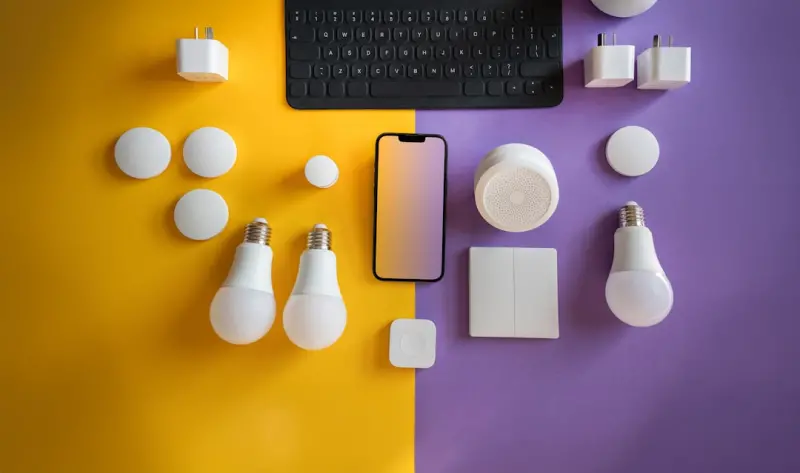
- Smart Bulbs with Color Temperature – Choose bulbs that shift from cool white (5000 K) in the morning to warm amber (2700 K) in the evening. The transition mimics natural daylight and helps you wind down without reaching for the TV.
- Daylight Harvesting – Place mirrors opposite windows to bounce natural light deeper into the room. A well‑positioned mirror can increase perceived brightness by up to 30 %.
Pro tip: I installed a seasonal lighting checklist that aligns bulb hues with my wardrobe and coffee choices. The result? My mornings feel like a curated coffee shop, and my evenings become a gentle wind‑down lounge.
2. Flow – Making Movement Feel Natural
Imagine walking through a museum where every exhibit is placed haphazardly. You’d feel disoriented, right? The same principle applies to furniture placement. A well‑designed flow reduces friction, saves energy, and subtly nudges you toward healthier habits.
- Clear Pathways – Keep at least 2‑feet wide corridors around high‑traffic zones. This prevents you from constantly bumping into chairs and creates a sense of openness.
- Multi‑Purpose Zones – Use modular furniture that can pivot from a work desk to a dining table. A rolling kitchen island, for example, can become a homework station or a cocktail bar.
- Strategic “Micro‑Stops” – Place a small plant or a piece of art at natural pause points (e.g., near the kitchen doorway). These micro‑stops give your brain a moment to reset before moving on.
One trick that changed my life was the “one‑in‑one‑out” rule for décor. Whenever I brought a new piece in, I removed something else. It forced me to keep only items that truly added value to the flow, and my space stopped feeling cluttered.
3. Sound – The Quiet You Can Hear
Most home‑improvement guides gloss over acoustics, but soundscapes shape our emotional baseline. A room that echoes can feel cold and uninviting, while soft background noise can boost concentration.
- Absorb, Don’t Reflect – Soft furnishings like rugs, curtains, and upholstered chairs absorb stray sound. Even a simple wall tapestry can cut reverberation by half.
- White‑Noise Machines or Nature Playlists – Low‑level ambient sounds mask disruptive city noise, making it easier to focus or relax.
- DIY Acoustic Panels – Mount fabric‑covered foam panels on walls opposite noisy appliances. They’re inexpensive and double as decorative art.
If you’re curious about how sound can be woven into daily rituals, check out the sound‑infused personal care guide. It shows how a few minutes of mindful listening can turn a bathroom routine into a mini‑spa experience.
Putting It All Together: A Day in the Optimized Home
Here’s how I run my day using the three pillars:
- Morning (6:30 am – 9:00 am) – I wake to a cool‑white sunrise simulation from my smart bulbs. A quick stretch in front of the mirrored wall lets natural light flood the space. While brewing coffee, soft instrumental music drifts from a Bluetooth speaker, setting a calm yet alert tone.
- Mid‑Morning (9:00 am – 12:00 pm) – My workstation, positioned near the window, benefits from ambient daylight and a task lamp that shifts to a neutral 4000 K hue. A small indoor fountain provides a low‑frequency sound that enhances focus without being distracting.
- Afternoon (12:00 pm – 3:00 pm) – I break for lunch at my modular island, which doubles as a dining table. The space feels open thanks to the clear pathways, and a warm amber light from a pendant lamp cues my brain that it’s “break time.”
- Evening (6:00 pm – 10:00 pm) – As dusk falls, my smart bulbs transition to warm amber. I dim the main lights, pull the curtains, and switch on a gentle white‑noise playlist. The acoustic panels keep the city buzz at bay, and a soft rug underfoot makes the living room feel like a cozy nest.
This rhythm might sound choreographed, but the beauty lies in its simplicity. You don’t need a full renovation; you just need to align light, flow, and sound with the moments you want to amplify.
Quick Wins for the Skeptical DIYer
If the above feels overwhelming, start with these three low‑effort actions:
- Swap one bulb in each room for a smart, color‑adjustable one. Set timers that match your daily routine.
- Rearrange a chair to create a clear path from the bedroom to the kitchen. Notice how much less “bumped‑into‑furniture” frustration you feel.
- Hang a fabric tapestry on the wall opposite your TV. It instantly softens echo and adds a splash of personality.
Within a week, you’ll likely notice a subtle lift in mood, sharper focus, and a quieter home environment—all without breaking the bank.
Future‑Proofing Your Space
Technology will keep evolving, but the core principles of light, flow, and sound are timeless. Keep an eye on emerging trends like adaptive lighting that reacts to your biometric data or AI‑driven acoustic mapping that automatically optimizes sound distribution. For now, mastering the basics gives you a resilient foundation that can integrate new tech seamlessly.
Remember, a home isn’t just a shelter; it’s a living system that responds to how you design it. By treating lighting, layout, and acoustics as intentional tools, you’ll turn ordinary rooms into personal power plants that fuel your best self.

Jimmy Damon loves to right on a large scale of topics with all things Canadian as this Montreal die hard loves hockey. fishing and sports.
Related Posts

Let the Sun In: Simple Strategies to Flood Your Home with Natural Light
Learn how to transform any space with sunlight through mirrors, light‑reflective surfaces, strateg... Read More
Invisible Storage Hacks: Turn Everyday Items into Hidden Organizers
Learn how to create invisible storage using simple household items, from magnetic strips and underâ€... Read More

Pet‑Friendly Home Design: Stylish Solutions for Furry Friends
Learn how to blend durability, safety, and style in every room, creating a pet‑friendly home that ... Read More
Top Posts

Seasonal Window Gardens: Bringing the Outdoors Inside Year‑Round
Learn step‑by‑step how to design, plant, and maintain a seasonal window garden that transforms any room into a vibrant indoor oasis, enhancing both décor a...Read More

Cold Exposure: Tiny Chills, Big Wellness Wins
Explore the surprisingly powerful health perks of everyday cold exposure—from icy showers to brief outdoor chills—and how to safely add these tiny temperatu...Read More

Vertical Edible Gardens: Harvesting Freshness on Your Home Walls
A step‑by‑step guide to building a vertical edible garden in compact homes, blending practical design, simple tech, and the joy of fresh, home‑grown food....Read More

Breathing the City: How Conscious Air Can Transform Urban Health
In the bustling city, a simple, conscious breath can become a powerful tool for health. Rose DesRochers shares practical breathwork techniques, tech integration...Read More
0 Comments
Post Comment
You will need to Login or Register to comment on this post!