

Microadventure Mastery: Turning Short Breaks into Epic Stories
When I first heard the term “microadventure,” I imagined a tiny, Instagram‑friendly hike that ends with a perfectly‑cooked s’more. Turns out, it’s so much more than a quick snap. It’s a philosophy that lets you harvest the awe of far‑flung voyages without the months of planning, the hefty carbon footprint, or the fear of “missing out” on the next big thing. In this post I’ll unpack how to design bite‑size escapades that feel larger‑than‑life, why they’re the antidote to the relentless “always‑on” culture, and the practical tools you need to make every weekend feel like a chapter from a travel memoir.
Why Microadventures Matter in a World Obsessed with Grand Tours
We live in an era where the next big destination is always a click away. Yet, paradoxically, the very accessibility that fuels wanderlust also breeds a sense of overwhelm. The pressure to tick off exotic landmarks can turn travel into a checklist rather than a source of renewal. Microadventures flip that script. By focusing on time‑bound, locally‑sourced experiences, you reclaim agency over your own story. You’re no longer waiting for the perfect season, the ideal budget, or the “right” travel companion—any moment can become the canvas for a new narrative.
The Core Elements of a Microadventure
Every unforgettable microadventure shares three foundational pillars:
- Location Flexibility: It can be a nearby forest, a hidden city alley, or a rooftop garden you’ve never explored.
- Time Constraint: Usually a single night, a weekend, or even a few hours. The brevity forces creativity.
- Challenge & Novelty: A new skill, a different perspective, or a modest physical push that makes the experience feel purposeful.
When these elements intersect, you create a “travel moment” that’s both manageable and memorable.
Step‑by‑Step Blueprint: Planning a Microadventure in 48 Hours
- Identify Your “Why.” Are you craving solitude, a splash of culture, or a taste of adrenaline? Clarifying intent guides every subsequent decision.
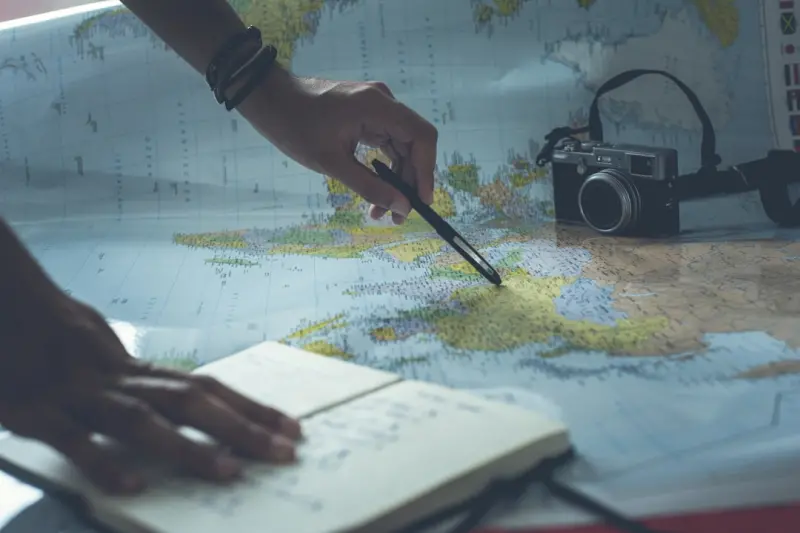
- Map a 30‑Minute Radius. Pull up a map (Google, Apple, or a good old paper one) and draw a circle roughly 30 minutes from home. This is your playground.
- Spot the Unusual. Look for a feature you’ve never used—an abandoned railway line, a community garden, a night market. Use resources like Crafting a Multi‑Sensory Garden That Engages All Five Senses for inspiration on turning ordinary spaces into extraordinary settings.
- Set a Simple Goal. It could be “watch the sunrise from the highest hill,” “cook a meal with only local ingredients,” or “photograph three strangers and learn their stories.”
- Pack Light, Pack Smart. Think of a versatile base layer, a compact rain jacket, a reusable water bottle, and a small notebook. The lighter you travel, the more freedom you gain.
- Schedule a Disconnect Window. Turn off non‑essential notifications. If you’re a remote worker, consider a short “in‑box freeze” inspired by Tiny Pauses, Big Impact. This ensures you’re present for the experience.
- Execute and Reflect. Capture the essence (a photo, a line of text, a scent) and spend a few minutes journaling after you return. This cements the memory and fuels future adventures.
Case Study: A Weekend in My Own City
Last spring, I decided to treat the city I live in like a foreign land. My “why” was simple: reconnect with the natural world without a plane ticket. I drew a 30‑minute circle around my apartment and spotted a little-known state park that hosted a moonlit kayaking event. Here’s how it unfolded:
- Day 1 (Afternoon): I biked to the park, rented a kayak, and paddled under a canopy of amber leaves. The only sounds were water lapping against the hull and distant birdcalls. I felt an instant shift from urban noise to quiet focus.
- Evening: I set up a portable camp stove, used a locally sourced herb garden (Reviving Forgotten Spaces) to garnish a simple pasta dish, and ate under a sky peppered with stars.
- Night: I recorded the sound of crickets and the soft rustle of wind in a small voice memo, then fell asleep in a hammock—no hotel, no distractions.
- Day 2 (Morning): I woke early to watch the sunrise over the lake, a view I’d never taken the time to appreciate before. The entire experience lasted under 24 hours, yet the emotional resonance lasted weeks.
This microadventure reminded me that the “travel” I crave doesn’t always require a passport. It’s about curiosity, intention, and the willingness to step outside routine—even if just a few blocks away.
Microadventure Meets Remote Work: The New “Work‑Play” Model
Remote work has untethered many of us from the office, but it also blurs the line between “work” and “leisure.” The solution? Design a portable workspace that grows with your adventure, much like the principles found in Designing a Home Workspace That Grows With You. Here’s how you can integrate microadventures into a remote schedule:
- Portable Power: A compact, solar‑powered charger ensures your laptop stays alive while you’re off‑grid.
- Modular Desk: A fold‑out laptop table that can be set up on a park bench, a beach towel, or a cabin table.
- Time‑Blocking: Schedule “adventure sprints”—30 minutes of focused work followed by a 15‑minute exploration break.
- Digital Minimalism: Use tools like focus mode or “Do Not Disturb” to keep work from spilling into your adventure time.
When you treat your work environment as fluid, the world becomes your office, and each microadventure becomes a productivity booster, not a productivity killer.
Gear Guide: The Essentials for Light‑Footed Exploration
Quality over quantity is the mantra. Below is a curated list of items that fit into a carry‑on‑size bag, yet cover most scenarios:
- Multi‑Tool: A compact knife, screwdriver, and bottle opener in one.
- Packable Rain Jacket: Waterproof, breathable, and folds into its own pocket.
- Reusable Collapsible Water Bottle: Saves space and reduces plastic waste.
- Compact Notebook & Pen: For spontaneous sketches, journaling, or noting directions.
- Portable Power Bank (10,000 mAh): Keeps devices alive for navigation and photo capture.
- Lightweight Hammock or Sleeping Bag Liner: Turns any tree or open space into a comfortable resting spot.
Invest in versatile gear, and you’ll find yourself able to pivot from a mountain trail to a city rooftop without missing a beat.
Microadventure Themes to Spark Your Imagination
Not sure where to start? Here are ten themes that can be adapted to any locale:
- Sunrise‑Chase: Find a high point and greet the day with intention.
- Food‑For‑Thought: Spend a day sourcing meals from street vendors, farmer’s markets, and community gardens.
- Art‑Scavenger Hunt: Seek out murals, sculptures, and hidden galleries in your neighborhood.
- Night‑Sky Observation: Pack a blanket, a stargazing app, and a thermos of tea.
- Volunteer Pop‑In: Offer a few hours at a local shelter or beach cleanup.
- Water‑Way Wander: Kayak, paddleboard, or simply wade through a nearby river.
- Sound Safari: Record ambient sounds—birdsong, market chatter, train whistles—and create a personal soundscape.
- Historical Re‑Enactment: Dress in period clothing (or just a hat) and walk a historic district as if you’re a traveler from the past.
- Flash‑Camping: Set up a tent in an unexpected spot—an urban park after hours or a secluded beach.
- Mindful Walk: Practice a walking meditation, focusing on each step, breath, and sensation.
Each theme is a seed. Plant it, nurture it with your own twist, and watch it grow into a story worth sharing.
Documenting Without Disrupting
In the age of social media, the instinct to capture every moment is strong. Yet, the most vivid memories are often those we experience fully, without the lens in front of our faces. Here’s a balanced approach:
- One Photo Rule: Take a single photo that captures the essence of the moment, then put the camera away.
- Audio Journals: Record short voice memos describing what you see, feel, and think.
- Sketch & Scribble: A quick doodle or map can convey more nuance than a filtered image.
- Post‑Adventure Blog: Write a reflective piece once you’re home—this consolidates memory and inspires others.
This method honors both the desire to share and the need to remain present.
Microadventures as a Sustainability Strategy
Travel has a sizable carbon footprint, especially long‑haul flights. Microadventures dramatically reduce emissions by focusing on local, low‑impact activities. They also promote regional tourism economies—you spend money at small businesses, farms, and community venues that often don’t benefit from traditional tourism pipelines.
Consider pairing your microadventure with a carbon offset for any unavoidable travel (e.g., a short train ride). This adds an extra layer of responsibility while still satisfying your wanderlust.
Turning Microadventures into a Lifestyle
To make microadventures sustainable, embed them into your routine:
- Weekly “Adventure Hour”—pick a Saturday morning to explore a new spot.
- Monthly “Theme Night”—choose a theme and plan a related microadventure.
- Quarterly “Reset Retreat”—spend a long weekend completely unplugged in a natural setting.
Over time, these recurring patterns become habits, and the cumulative effect rivals any single, grand trip.
Final Thoughts: The Power of the Small
Microadventures prove that travel isn’t a luxury reserved for those with endless vacation days and hefty bank accounts. It’s a mindset—a willingness to see the world, even the one just beyond your doorstep, as an ever‑unfolding story. By embracing time‑bound, intentional escapades, you nurture curiosity, foster resilience, and build a personal archive of experiences that enrich your life far beyond the moment.
So, the next time you hear the phrase “I need a vacation,” ask yourself: What adventure can I craft in the next 24 hours? The answer might just surprise you.

Lauren Miller is a true outdoors enthusiast who has found her passion in the trades. When she's not working hard on the job, you can find her writing, camping, fishing, and exploring all that nature has to offer. A dedicated partner to her wife Beth, Lauren loves nothing more than spending quality time together and experiencing the great outdoors side by side.
Related Posts

Travel as a Storytelling Sprint: Turning Journeys into Narrative Power‑Ups
Learn to treat each trip as a focused storytelling sprint, using sensory immersion, real‑time capt... Read More
Zero‑Waste Adventures: Travel Light on Plastic and Carbon
Embark on a zero‑waste journey with actionable packing hacks, eco‑friendly transport choices, an... Read More
Travel as a Personal Data Experiment: Turning Trips into Insightful Labs
By treating each journey as a living laboratory, the author shares a data‑centric approach to trav... Read More
Top Posts

Multi‑Functional Furniture Secrets: Turn Every Corner Into a Purpose‑Built Zone
Discover practical, budget‑friendly strategies to turn any room into a multi‑functional zone, using convertible pieces, vertical storage, and smart design h...Read More

From Garden Soil to Office Success: Rose DesRochers Redefines Home & Garden Living
Rose DesRochers shares her personal journey of turning a garden desk into a powerhouse for productivity and sustainability, offering actionable steps for modern...Read More
The Breath Reset: How Intentional Breathing Can Rewire Your Immune System
Intentional breathwork, especially slow exhalations, activates the parasympathetic system, reducing stress hormones and inflammation, thereby enhancing immune r...Read More

Adaptive Napping: Redefining Rest in a Hyperconnected World
Learn to harness short, strategic naps guided by biofeedback and smart habits, turning fragmented days into periods of genuine rest and heightened productivity....Read More
0 Comments
Post Comment
You will need to Login or Register to comment on this post!