
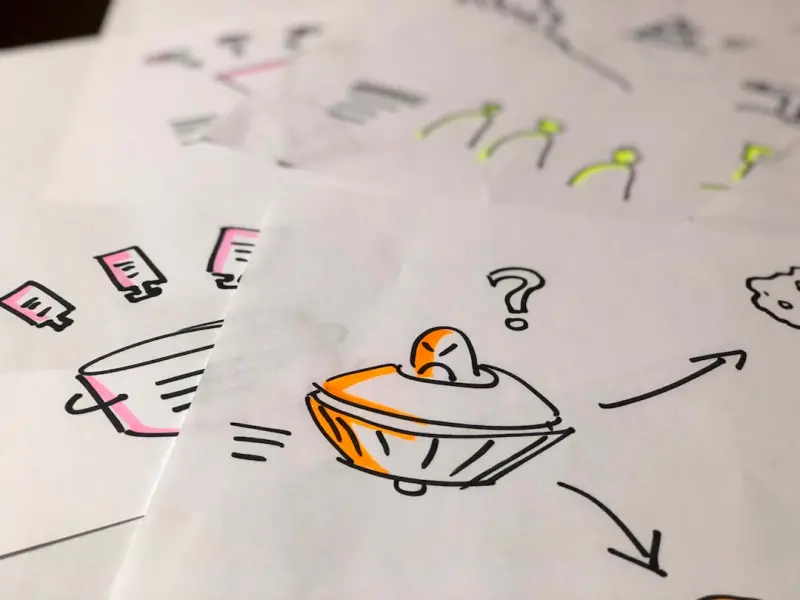
Why Tiny Trips Matter More Than Ever
When the inbox never sleeps and the calendar is a perpetual sprint, the idea of a week‑long vacation feels like a myth from a bygone era. Yet the human brain still craves a break—a reset button that doesn’t require a passport stamp or a hefty budget. That’s where micro‑escapes step onto the stage. A single night in a nearby town, a sunrise hike just an hour away, or a weekend in a historic district can deliver the same cognitive lift as a sprawling holiday, without the logistical nightmare.
In my own travel log, I’ve logged dozens of these bite‑sized adventures. Each one has left a residue of fresh ideas, sharper focus, and a renewed sense of purpose. The trick isn’t just “going somewhere” – it’s designing the experience so that it aligns with the very goals that drive your day‑to‑day work.
Reframing the Trip as a Creative Sprint
Think of a micro‑escape as a urban green retreat that you treat like a product sprint. You set a clear hypothesis, outline deliverables, and allocate time for iteration. Here’s a quick framework:
- Define the Objective: Is the goal to spark new product ideas, decompress after a high‑stakes project, or simply gather cultural inspiration?
- Scope the Journey: Choose a destination that can be reached within a 2‑hour travel radius. The shorter the transit, the more mental bandwidth you preserve for the experience itself.
- Allocate Time Boxes: Use a 3‑day structure—Day 1: arrival & observation, Day 2: deep dive (workshop, interview, exploration), Day 3: synthesis and return.
- Gather Artifacts: Photographs, sketches, voice memos, or even a simple list of “aha moments.” These become the raw material for post‑trip insight work.
- Post‑Trip Review: Within 48 hours, consolidate findings into a shareable format—slide deck, blog post, or a quick team huddle.
This method borrows from the lean product world, but it’s calibrated for personal rejuvenation. By treating the trip as a structured experiment, you avoid the “vacation‑vortex” of aimless wandering and instead emerge with tangible outcomes.
The Science Behind Short‑Term Getaways
Neuroscience tells us that novelty triggers dopamine release, a neurotransmitter linked to motivation and learning. Even a brief change in scenery—think a new café with an unusual décor—can reset the brain’s default mode network, which is responsible for mind‑wandering and creative incubation. A study from a leading university found that participants who took a single night away reported a 15 % boost in problem‑solving performance compared to those who stayed put.
Additionally, stepping outside the familiar environment reduces cortisol, the stress hormone that can cloud judgment. The result? A clearer mind, heightened emotional resilience, and a greater capacity to see patterns that were previously invisible.
Tech‑Enabled Planning: Turn Data Into Destination
Modern SaaS tools make it easier than ever to plan these micro‑escapes with precision. Here’s a quick stack I rely on:
- Location Intelligence Platforms: Use heat‑maps to discover trending neighborhoods, hidden parks, or pop‑up events that align with your interests.
- Travel Budget Calculators: Plug in mileage, fuel costs, and accommodation rates to see the real expense in minutes.
- Collaborative Itinerary Builders: If you’re traveling with a team, shared boards let everyone add suggestions, vote, and lock down the final plan.
- Post‑Trip Insight Dashboards: Upload photos and notes, tag them by theme, and generate a visual story that can be shared internally or on your personal blog.
One of my favorite tricks is to explore flavors on the road by filtering restaurants through a “taste novelty” score. It pushes you to try dishes you’d normally overlook, turning a simple dinner into a sensory research session.
Blending Work and Play Without Diluting Either
Many professionals balk at the idea of mixing work with travel, fearing that productivity will suffer. The truth is, the right balance can actually amplify output. Here’s how to keep the scales level:
- Set Boundaries Early: Declare specific “focus windows” (e.g., mornings) for deep work and “exploration windows” (e.g., afternoons) for immersion.
- Leverage Mobile‑First Tools: Cloud‑based documents, instant messaging, and task boards ensure you stay connected without being tethered to a desk.
- Practice “micro‑focus”: Work in 45‑minute bursts using a timer, then reward yourself with a short walk or a local coffee shop visit.
- Document in Real‑Time: Capture insights on the go; a quick voice memo can be transcribed later into a more polished thought.
By treating the trip as a hybrid of work and leisure, you avoid the guilt of “not doing enough” while still harvesting the restorative power of a change of environment.
Case Study: The Weekend Hackathon
Last quarter, my product team needed fresh ideas for a new collaboration feature. We booked a historic inn two hours away, set up a “mini‑hackathon” schedule, and invited a local artist to lead a creativity workshop. The itinerary looked like this:
- Friday Evening: Arrival, quick dinner, and a 30‑minute “storytelling circle” to surface personal motivations.
- Saturday Morning: Rapid prototype sprint—two hours of silent design, followed by a walk through the town’s artisan market for inspiration.
- Saturday Afternoon: Collaborative critique session, then a group cooking class where each dish represented a feature concept.
- Sunday Morning: Synthesis of ideas, presentation to remote stakeholders via video call, and departure.
The result? Three viable concepts, two of which made it into the product roadmap within a month. The team also reported a 25 % increase in morale, attributing it to the blend of purposeful work and cultural immersion.
Practical Tips for Your Next Micro‑Escape
Ready to give it a try? Keep these pointers in mind:
- Pack Light, Pack Smart: A versatile backpack, a reusable water bottle, and a portable charger are your best allies.
- Research Local “Micro‑Events”: Farmers’ markets, pop‑up art shows, or short‑term workshops can add unexpected depth to your stay.
- Stay Offline Strategically: Turn off email notifications during “exploration windows” to fully absorb the surroundings.
- Leave Room for Serendipity: While a schedule is helpful, leave a few unplanned hours to wander and let curiosity lead the way.
- Reflect Daily: End each day with a brief journal entry—what surprised you, what sparked an idea, what you’d tweak for next time.
Measuring the Impact
After the trip, it’s tempting to let the experience fade into a pleasant memory. Instead, quantify its effect:
- Pre‑ and Post‑Trip Surveys: Rate your focus, stress level, and creative confidence before departure and after return.
- Idea Count: Track the number of actionable concepts that emerged during the escape.
- Productivity Metrics: Compare task completion rates for the week following the trip against your baseline.
- Team Sentiment: Conduct a quick pulse check with colleagues to gauge any shift in morale.
These metrics provide concrete evidence that a short journey isn’t a luxury—it’s a strategic lever for performance.
Final Thoughts: Make Micro‑Escapes a Habit
In a world that glorifies hustle, the real competitive edge may lie in the moments you step away. By designing micro‑escapes with intention, you turn ordinary travel into a catalyst for innovation, wellbeing, and sustained productivity. The next time you feel the pull of a packed schedule, remember: a short trip is not an interruption—it’s an upgrade.

Seth Samual is a name that's quickly becoming synonymous with compelling and insightful writing. As a freelance writer, Seth has carved a niche for himself by delivering high-quality content across a diverse range of subjects.
Related Posts

Travel with Your Ears: How Sound Shapes Unforgettable Journeys
Explore the power of sound in travel, learning to map cities by their soundtrack, build a sonic jour... Read More
Purpose‑Driven Travel: Turning Trips into Impactful Experiences
Purpose‑driven travel transforms vacations into mutually beneficial exchanges, allowing you to con... Read More
Wander with Wonder: Turning Every Trip into a Creative Adventure
Learn to transform every journey into a vivid, sensory-rich adventure—flexible planning, micro‑e... Read More
Top Posts

When Your Brain Needs a Vacation: The Art of Structured Daydreaming
Learn to harness the power of purposeful mental wandering with simple, timed sessions that improve creativity, reduce stress, and enhance overall mental wellbei...Read More
Mapping Memory: How Curating Souvenirs Turns Travel into a Personal Archive
Explore the art of purposeful souvenir collecting, turning each trinket into a tangible memory anchor that enriches travel narratives, supports sustainable prac...Read More

Beyond the Screen: Crafting a Mental Health Routine for the Hyper‑Connected Age
A practical guide to safeguarding mental health in our always‑online lives, blending micro‑pauses, gentle movement, social micro‑rituals, and reflective f...Read More

The Portfolio Career Playbook: Turning Multiple Gigs into a Sustainable Full‑Time Life
Learn the step‑by‑step roadmap to build a thriving portfolio career, balancing flexibility, legal safeguards, and financial planning for long‑term success...Read More
0 Comments
Post Comment
You will need to Login or Register to comment on this post!