
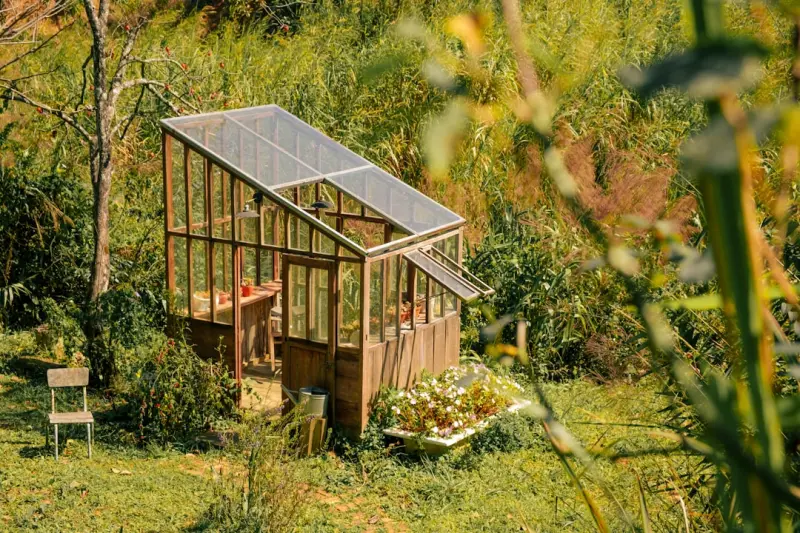
When I first moved into a modest suburban lot, I treated the yard like a decorative afterthought—a place for a few potted succulents and a tired lawn mower. Over time, the patch of earth became a living laboratory, a place where I could test ideas about sustainability, community, and personal well‑being. The transformation didn’t happen overnight, but each small decision compounded into a backyard that feels like an extension of my home’s purpose. In this post I’ll walk you through the mindset shifts, practical steps, and smart tools that helped me turn a bland yard into a thriving, low‑maintenance oasis.
Start With a Microclimate Audit
Every garden lives under a unique set of conditions—sun exposure, wind patterns, temperature fluctuations, and even the way nearby structures reflect heat. Before you buy a single seed packet, spend a week observing how light moves across the property. Note the following:
- Sun zones: Identify full‑sun (6+ hours), partial‑sun (3‑6 hours), and shade (under 3 hours).
- Wind corridors: Look for areas where breezes gust strongly; these spots may need windbreaks.
- Heat islands: Concrete driveways and dark roofs can radiate extra warmth, affecting nearby plantings.
Armed with this data, you can place plants where they’ll thrive naturally, reducing the need for supplemental watering or shade structures.
Reinvent Soil, Not Just Space
Great soil is the foundation of any resilient garden, yet many homeowners overlook it. Your native soil might be compacted clay, sandy, or depleted of organic matter. Rather than fighting the soil, work with it:
- Soil testing: A simple DIY kit can reveal pH and nutrient levels.
- Compost infusion: Add a 2‑inch layer of mature compost to raise organic content and improve moisture retention.
- Cover crops: Plant legumes or rye in off‑season months to prevent erosion and fix nitrogen.
By enriching the soil once, you set the stage for healthier plants that need fewer fertilizers—a win for both your wallet and the environment.
Water Conservation: From Irrigation to Rain Harvest
Water is the most precious resource in a garden, especially as climate patterns become less predictable. Here are three strategies that have drastically cut my water bill:
- Drip irrigation: Install a low‑pressure drip system that delivers water directly to the root zone. Pair it with a timer that runs early morning or late evening to minimize evaporation.
- Rain barrels: Connect a rain barrel to your downspout. One 55‑gallon barrel can supply enough water for a small vegetable patch during a dry spell.
- Mulching: A 2‑inch layer of organic mulch (shredded bark, straw, or leaf mold) reduces surface evaporation and suppresses weeds.
These steps not only conserve water but also create a more self‑sufficient garden ecosystem.
Embrace Native Plants and Pollinator Allies
Choosing plants that are native to your region is a shortcut to low‑maintenance gardening. Native species are already adapted to local soil, pests, and climate. Moreover, they provide vital food sources for pollinators—bees, butterflies, and hoverflies—that enhance biodiversity and boost the health of surrounding crops.
Start with a short list of hardy natives. For example:
- Eastern Redbud – spring blossoms that attract early‑season pollinators.
- Black-eyed Susan – a drought‑tolerant perennial that offers nectar through summer.
- Bee balm (Monarda) – aromatic foliage and tubular flowers perfect for hummingbirds.
Integrating a few native shrubs and perennials creates a resilient backbone that requires minimal watering and fertilizing after establishment.
Edible Landscaping: Food Meets Aesthetics
Why separate the ornamental garden from the kitchen garden when you can blend them? Edible landscaping lets you harvest fresh produce while maintaining visual appeal. Here are a few design ideas:
- Herb borders: Plant rosemary, thyme, and lavender along pathways. Their silvery foliage adds texture, and you can snip fresh herbs for cooking.
- Fruit trees as focal points: A dwarf apple or fig tree offers seasonal color and a tasty yield.
- Mixed beds: Alternate lettuce, kale, and colorful radishes with ornamental grasses for a dynamic, harvest‑ready bed.
Because the plants are already integrated into your design, you’ll be more inclined to maintain them, creating a virtuous cycle of beauty and bounty.
Smart Tech Integration Without Over‑Complicating
Technology can enhance garden efficiency, but it’s easy to over‑engineer. My approach is to add one smart device at a time, evaluating its ROI before expanding.
- Moisture sensors: Insert a soil moisture probe that syncs to a phone app. When the soil dries beyond a set threshold, you receive a notification—no more guessing.
- Smart timers: Pair your drip system with a Wi‑Fi enabled timer that adjusts watering schedules based on weather forecasts.
- Plant identification apps: Use a free app to quickly learn care instructions for any new plant you introduce.
These tools complement, rather than replace, the hands‑on knowledge you develop through observation.
Seasonal Maintenance: The 4‑Week Rhythm
Instead of a massive spring‑to‑fall overhaul, I break garden care into four manageable weekly blocks. This rhythm keeps the workload light and the garden thriving:
- Week 1 – Soil refresh: Add compost or well‑rotted manure to beds.
- Week 2 – Prune & shape: Trim dead foliage, shape shrubs, and remove spent blooms.
- Week 3 – Pest scout: Walk the garden, looking for early signs of insects; employ hand‑picking or neem oil if needed.
- Week 4 – Harvest & replant: Gather produce, sow new seedlings, and rotate crops.
This predictable cadence prevents overwhelm and ensures that each element of the garden receives attention.
Bringing the Garden Inside: Biophilic Touches for Your Home
A thriving backyard can inspire indoor spaces as well. I’ve started using natural light strategies to blur the line between indoor and outdoor. Here are a few simple ways:
- Window boxes: Grow herbs on sunny sill windows; they act as a visual bridge and a fresh scent.
- Living walls: Install a vertical garden panel in a hallway or kitchen. Ferns and pothos thrive in low‑light conditions and improve indoor air quality.
- Garden‑inspired décor: Use reclaimed wood planters, stone coasters, and botanical prints to echo the backyard aesthetic.
When indoor spaces echo outdoor rhythms, you reinforce the calming, restorative benefits of nature throughout the day.
Mindful Moments in the Garden
While my primary focus is sustainability, I can’t ignore the quiet joy of simply being present among the foliage. A garden that is designed for low‑maintenance also provides mental space to pause. I often sit on a reclaimed bench, watching bees flit between blossoms, and feel a subtle shift in mood—no meditation cushion needed.
If you’re curious about how scent influences productivity, the research behind leveraging garden aromas is fascinating. Planting aromatic herbs like mint, sage, and lavender can create a natural perfume that uplifts the mind, making the garden a subtle performance hack for daily life.
Connecting Back to the Bigger Home Vision
Remember that the garden is an extension of the home’s overall function. By aligning your backyard with the same simple home shifts that improve comfort and productivity, you create a seamless ecosystem. The garden becomes a place where you store rainwater, grow food, attract wildlife, and recharge mentally—each benefit reinforcing the others.
Final Thoughts: Your Backyard, Your Canvas
Every homeowner starts with a blank (or overgrown) canvas. The key is to approach the space with curiosity, a willingness to experiment, and a respect for natural processes. By auditing the microclimate, enriching soil, conserving water, choosing native and edible plants, adding measured technology, and maintaining a gentle seasonal rhythm, you’ll cultivate a backyard oasis that feels both intentional and effortless.
Take one step today—maybe it’s placing a rain barrel or planting a single native shrub. Watch how that small action ripples into a garden that feeds your body, soothes your mind, and supports the planet.

Shawn DesRochers is a certified Microsoft technician and Programmer with 30+ year's experience. He has written many reviews on computer related products, software, and SEO related topics. When he's not writing reviews he can be found at one of the Oldest Directories Online Blogging Fusion Business Directory which he is the CEO of.
Related Posts
Cultivating Success: How a Garden Desk Can Revitalize Your Home and Work Life
Explore the rise of garden desks, blending outdoor serenity with work efficiency, and learn practica... Read More
How a Garden Desk Can Transform Your Home & Garden Sanctuary
Explore the benefits of a garden desk—from design tips and health perks to career boosts—and lea... Read More

How to Craft an Outdoor Reading Sanctuary That Invites Calm and Creativity
Discover how to transform a simple outdoor space into a dedicated reading sanctuary, blending comfor... Read More
Top Posts

The Garden Desk Revolution: How Outdoor Workspaces Are Redefining Employment
Explore how outdoor workspaces boost productivity, cut costs, and enhance wellbeing, turning garden desks into the secret weapon for modern employees....Read More

Turn Your Backyard into a Garden Desk Oasis
Learn to transform your backyard into a productive garden desk oasis with practical design tips, plant choices, tech tricks, and maintenance advice for a harmon...Read More

Garden Desks: The Unexpected Edge for Modern Workers
A garden desk isn’t just a piece of furniture; it’s a productivity catalyst that blends nature with work, giving you a competitive edge in today’s employm...Read More

Your AI Innovation Partner: Turning Ideas into Impact
A fresh look at AI as a collaborative partner, not just a tool, showing how to integrate an AI innovation coach into daily work for faster ideation, market rese...Read More
0 Comments
Post Comment
You will need to Login or Register to comment on this post!