
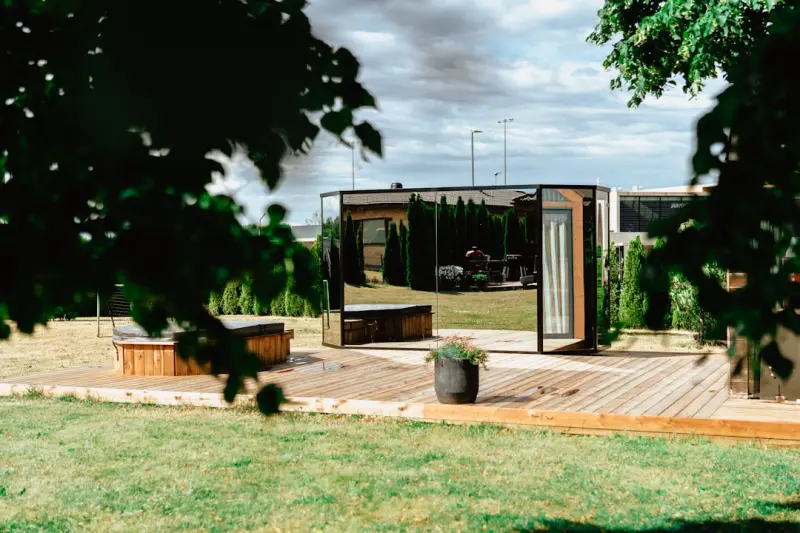
Why Modular Outdoor Living is the Next Big Thing for Urban Dwellers
Living in a city often feels like a juggling act—tight apartments, noisy streets, and a perpetual shortage of personal space. Yet the tiny patches of concrete and soil that line our sidewalks hold untapped potential. I’ve spent the last few months turning my own cramped balcony into a modular oasis, and the transformation has been nothing short of a revelation. This isn’t about buying a pricey patio set or installing a permanent deck; it’s about assembling adaptable pieces that evolve with your lifestyle, season, and mood.
From Fixed Fixtures to Flexible Frameworks
Traditional garden design assumes permanence: a static pergola, a fixed bench, a single‑purpose fire pit. In reality, our needs shift daily. One afternoon you might be craving a sun‑soaked reading nook; the next, you’re hosting a pop‑up dinner for friends. The modular approach replaces static fixtures with interchangeable modules—think lightweight wooden platforms, fold‑away planters, and magnetic railing sections that click together in seconds.
- Plug‑and‑play furniture: Stackable stools that double as storage boxes.
- Adjustable shade: Retractable fabric panels that can be re‑configured from a sun umbrella to a windbreak.
- Multi‑purpose flooring: Interlocking deck tiles that can be swapped for a soft‑grip rug or a raised herb garden.
By treating your outdoor area as a system of components rather than a single monolith, you gain the freedom to experiment without the commitment of a permanent renovation.
Design Principles That Keep the Space Fresh
To make modular living truly work, I follow three guiding principles: Scalability, Simplicity, and Sensory Balance. Scalability ensures each piece can expand or contract based on the square footage you have. Simplicity means every component should be intuitive—no obscure hardware or tools required. Sensory balance involves curating textures, colors, and scents that make the space feel cohesive, no matter how you reconfigure it.
For instance, I paired a set of reclaimed teak pallets with The 7 Hidden Ways Your Home Can Work for Your Creativity mindset, using the pallets as a platform for a portable sketching table. When the weather turns chilly, I simply slide a weather‑proof screen into place, and the area becomes a snug retreat for sipping tea.
Choosing Materials That Withstand the Urban Jungle
City environments introduce challenges you won’t find in a suburban backyard: higher pollution levels, limited sunlight, and fluctuating temperatures. Selecting resilient materials is essential. Here’s what’s worked for me:
- Recycled composite decking: Looks like wood but resists rot, splintering, and UV fading.
- Stainless steel hardware: Prevents rust from city grime and salty winter air.
- Outdoor‑grade textiles: Fabrics treated with UV‑blocking and water‑repellent finishes keep cushions fresh year‑round.
When you combine durability with an aesthetic that feels natural, the space invites you to linger—something that’s often missing in a fast‑paced urban routine.
Integrating Food, Fun, and Function
One of the most exciting aspects of modular design is its ability to incorporate edible elements without sacrificing style. While I’m not turning my balcony into a full‑blown farm, I’ve added a Edible Front Yard Revolution-inspired touch by using stackable planter boxes that double as decorative screens. In the summer, I grow cherry tomatoes and herbs; in winter, I replace them with a compact outdoor heater and a set of lanterns for ambient lighting.
This dual-purpose approach maximizes the utility of every square foot, turning a simple balcony into a micro‑ecosystem that feeds the body and soothes the mind.
Smart Yet Subtle: Technology That Enhances, Not Dominates
While the core of modular living is low‑tech, a dash of smart tech can elevate the experience. I keep things subtle: a Bluetooth‑enabled speaker hidden in a planter, a solar‑powered LED strip that slides into a groove under the decking, and a weather‑responsive timer that opens my retractable shade when the temperature hits 75°F. The key is to let technology be a background helper rather than the focal point.
These small touches provide convenience without the visual clutter of traditional smart home devices, preserving the clean, adaptable aesthetic that modular design champions.
Step‑by‑Step: Building Your Own Modular Outdoor Space
Ready to give it a try? Here’s a practical roadmap that guided my own project:
- Assess your footprint: Measure the area and note any fixed obstacles like railings or drainage.
- Define your primary activities: Do you need a work surface, a dining zone, or a chill-out corner? Prioritize the modules that serve those functions.
- Select a core platform: Start with interlocking deck tiles or a modular pallet base. This will be the foundation for all other pieces.
- Gather multi‑use modules: Choose items that can serve more than one purpose—e.g., a storage bench that can become a table.
- Add vertical interest: Install hanging planters, wall‑mounted shelves, or a retractable trellis to draw the eye upward.
- Incorporate texture and scent: Use natural fibers, stone accents, and aromatic herbs to engage the senses.
- Test and iterate: Rearrange modules after a week of use. Notice what feels natural and what feels forced, then adjust accordingly.
Remember, the beauty of modular design lies in its fluidity. There’s no “final” layout—just a series of experiments that keep your outdoor space feeling fresh.
Community Impact: Sharing the Modular Mindset
One unexpected benefit of my modular balcony was the ripple effect it had on my neighbors. When they saw the simple, adaptable pieces I’d assembled, they started swapping ideas, lending spare modules, and even co‑creating a shared rooftop garden. The modular philosophy encourages collaboration because each piece is designed to be portable and communal.
In apartment complexes where outdoor space is limited, a shared modular garden can become a hub for social interaction, fostering a sense of belonging that’s often missing in high‑rise living.
Final Thoughts: Embrace the Freedom of Change
Urban living doesn’t have to feel static. By adopting a modular approach to your outdoor area, you give yourself the liberty to redesign, repurpose, and rejuvenate your space as often as you like. It’s a mindset that celebrates flexibility, sustainability, and the simple joy of watching a small corner of the city blossom into your personal retreat.
So the next time you glance at that patch of concrete, imagine the possibilities: a sun‑lit reading nook today, a dinner party venue tomorrow, a mini herb garden the following week. The only limit is the imagination you bring to the modules you choose.

Seth Samual is a name that's quickly becoming synonymous with compelling and insightful writing. As a freelance writer, Seth has carved a niche for himself by delivering high-quality content across a diverse range of subjects.
Related Posts

Urban Vertical Gardens: Growing Lush Green Walls in Small Spaces
Learn to turn any wall, balcony, or railing into a thriving vertical garden. Space‑saving strategi... Read More

Bringing the Wild Inside: How to Design a Biophilic Home That Feeds the Soul
A guide to transforming any space into a nature‑infused sanctuary, covering light, greenery, tacti... Read More
Crafting a Sensory Garden: A Playful Path to Outdoor Bliss
Learn to build a multi‑sensory garden that engages all five senses, using color, texture, fragranc... Read More
Top Posts

Why Your Hands Deserve a Desk‑Side Spa Routine
A practical guide to turning everyday hand care into a micro‑spa experience, with tips on cleansing, moisturizing, massage, and sustainable product choices fo...Read More

Transform Your Entryway into a Curated Gallery That Welcomes and Inspires
A step‑by‑step guide shows how to declutter, zone, light, and decorate your entryway like a mini museum, adding personality, functionality, and energy‑sav...Read More

How a Garden Desk Can Transform Your Home Life
Explore the rise of garden desks, their mental‑health benefits, design secrets, and seasonal tips that turn any backyard into a thriving, productive oasis....Read More

Microlearning in Motion: How AI Keeps Skills Fresh on the Fly
Explore how AI‑enabled microlearning brings bite‑sized, just‑in‑time training directly into employees’ workflows, boosting relevance, retention, and m...Read More
0 Comments
Post Comment
You will need to Login or Register to comment on this post!