
Why a Sensory Garden Is the Next Must‑Have in Your Home Oasis
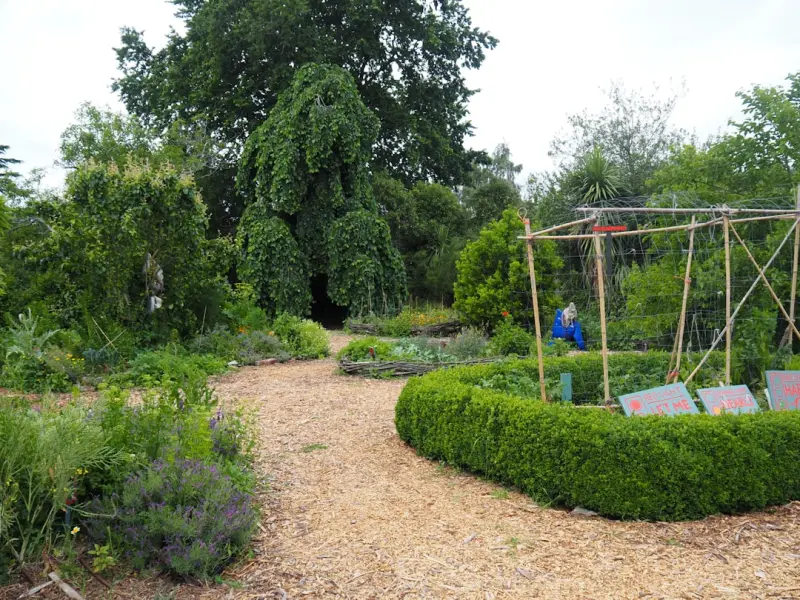
Imagine stepping onto a patch of earth where every step invites a new feeling, every breeze carries a whisper of scent, and the gentle murmur of water soothes the mind; that is the promise of a sensory garden. Beyond aesthetics, this type of garden engages sight, sound, touch, and smell, creating a therapeutic refuge that reduces stress and sparks creativity in the midst of daily hustle. By designing a space that awakens all five senses, you transform a simple yard into a living, breathing sanctuary that nurtures both body and spirit.
Choosing the Ideal Spot Without Disrupting Existing Flow
The first step is to locate a zone that receives a balanced mix of sun and shade, allowing you to layer plants with differing light needs while preserving the flow of traffic through your home’s outdoor areas. Look for a corner that feels slightly hidden yet remains accessible, perhaps near a front porch revival effort, so you can enjoy the garden from both inside and out without compromising pathways. A thoughtfully chosen site ensures you can weave sensory elements seamlessly into the existing landscape, turning an ordinary patch of grass into a multi‑dimensional experience.
Preparing Soil and Foundations for Year‑Round Resilience
Before planting, amend the soil with organic compost, coarse sand, and a touch of peat to improve drainage and retain moisture, creating a fertile canvas for diverse plantings that will thrive through the seasons. Incorporate raised beds or terraced walls made from reclaimed timber or stone to add height variation, which not only enhances visual interest but also offers tactile surfaces for barefoot exploration. By establishing a robust foundation now, you reduce future maintenance and set the stage for a garden that remains vibrant and inviting year after year.
Choosing Textural Plants That Invite Touch and Visual Contrast
Texture is the silent language of a sensory garden, and selecting foliage with varied leaf shapes, surface finishes, and growth habits adds depth that the eye alone cannot capture. Consider grasses with fine, whispering blades like Japanese feather reed, alongside bold, leathery leaves of agave or ornamental kale that invite curious fingertips. Pairing soft, velvety lamb’s ear with the spiky intrigue of thistles creates a dynamic palette that rewards visitors who pause to feel the contrasts.
Layering Fragrance for a Year‑Long Aromatic Journey
Fragrance is the most immediate sense to stir memories, and by planting aromatic species that bloom at staggered intervals, you guarantee a continuous perfume throughout the growing season. Early spring can be heralded by the citrusy snap of dwarf lavender, followed by the honeyed scent of honeysuckle in midsummer, and finally the warm, spicy notes of rosemary as autumn approaches. Intermixing evergreen herbs such as thyme and sage ensures that even on cooler days a subtle, comforting aroma lingers in the air.
Introducing Sound: Water Features, Wind Chimes, and Rustling Foliage
A gentle soundtrack elevates the garden from visual delight to an immersive retreat, and the simplest way to achieve this is through the soothing trickle of a small recirculating waterfall or a ceramic birdbath with a hidden pump. Complement the water’s murmur with wind chimes crafted from bamboo or reclaimed metal, which dance with breezes to create a melodic rustle. Even the soft sigh of leaves—such as the papery foliage of Japanese maple—adds a natural, rhythmic backdrop that calms the mind.
Playing with Color While Respecting Seasonal Shifts
While texture and scent command attention, color provides the emotional palette that can lift spirits or invite contemplation, and choosing plants that change hue through the year adds a dynamic storyline to your garden. Opt for foliage that transitions from deep violet in winter (like heuchera) to bright chartreuse in summer, alongside blossoms that burst in pink, orange, and white at different times. By planning color shifts, you ensure the garden never feels static, offering fresh visual excitement with each passing month.
Designing Pathways That Engage the Feet and Encourage Exploration
Pathways are more than functional routes; they are tactile journeys that can stimulate curiosity and guide visitors through the garden’s sensory stations. Use natural stone slabs, reclaimed wood planks, or even textured stepping stones set in moss to create surfaces that invite barefoot strolling or gentle pressure from sandals. Curved walkways, rather than straight lines, encourage a slower pace, allowing guests to linger longer and fully absorb each scent, sound, and sight along the way.
Integrating Light to Extend the Sensory Experience Into Evening
When daylight fades, thoughtfully placed illumination can transform the garden into a nocturnal wonderland, highlighting textures and casting gentle shadows that dance across leaf surfaces. Low‑voltage LED strips tucked along raised beds, solar‑powered lanterns nestled among ferns, and hidden spotlights that accentuate the water feature all contribute to a layered lighting scheme. For inspiration on creative illumination techniques, explore creative outdoor illumination ideas that blend safety with ambiance, ensuring the garden remains a sensory sanctuary after sundown.
Seasonal Care Tips to Keep Your Sensory Garden Thriving
Maintaining a sensory garden is a gentle practice of observation, pruning, and nourishment, and a seasonal checklist can simplify the process while preserving the garden’s intended effects. In spring, mulch beds to retain moisture and protect new shoots; summer calls for regular deadheading to encourage repeat blooms and trimming to keep foliage textures vibrant; autumn is the time to compost fallen leaves, feeding the soil for winter vigor. By aligning care routines with the garden’s natural rhythms, you sustain an ever‑inviting space that continuously engages the senses and nurtures well‑being.

When it comes to the world of blogging and writing, Rose DesRochers is a name that stands out. Her passion for creating quality content and connecting with her audience has made her a trusted voice in the industry. Aside from her skills as a writer and blogger, Rose is also known for her compassionate nature.
Related Posts
Cultivating a Year‑Round Outdoor Sanctuary for Mindful Living
Learn to create a dynamic, year‑round garden sanctuary that blends sensory design, sustainable met... Read More
Cultivating Creativity: How a Garden Desk Can Transform Your Home Workspace
Turn your backyard into a productive oasis with a garden desk—learn design tips, ergonomic hacks, ... Read More

Vertical Garden Mastery: Transform Small Spaces into Living Walls
Learn step‑by‑step how to build a stunning living wall, choose the right plants, and maintain a ... Read More
Top Posts

The Four‑Day Workweek: A Strategic Talent Retention Tool
A deep dive into the four‑day workweek as a talent retention strategy, covering models, performance metrics, case studies, and a step‑by‑step implementati...Read More

Nature Audio: The Tiny Reset Your Brain Craves
A brief burst of curated nature sounds can act as a mental palate cleanser, reducing stress and sharpening focus. Learn how to integrate these audio resets into...Read More

Cold Water Immersion: Unlocking a Natural Boost for Body and Mind
Explore the science behind cold water immersion, learn practical ways to add it to your routine, and uncover its mental and physical benefits for a healthier, m...Read More

Micro‑Immersions: Turning Tiny Breaks into Big Memories
Learn the micro‑immersion strategy that lets you extract rich, memorable travel experiences from short breaks by focusing on a single sensory thread and local...Read More
0 Comments
Post Comment
You will need to Login or Register to comment on this post!