
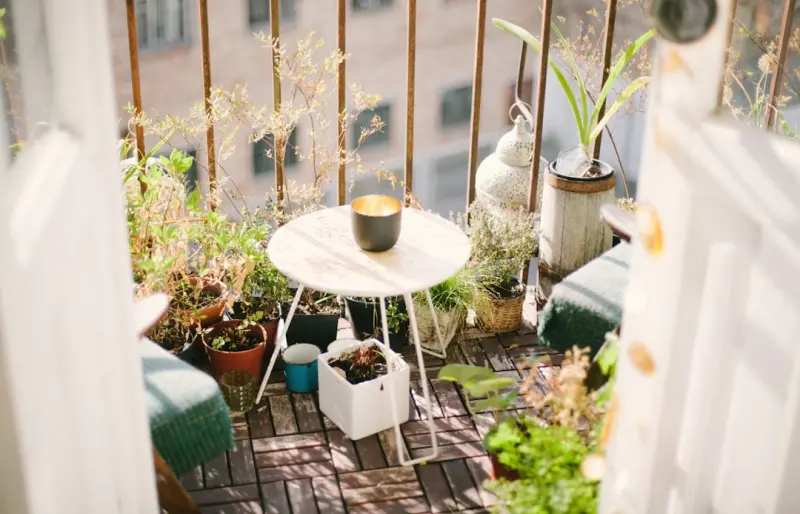
Living in a high‑rise building doesn’t mean you have to surrender your green thumb. In fact, the tiniest balcony can become a bustling sanctuary for pollinators, a source of fresh herbs, and a calming retreat after a hectic day. I’m Jessica Gills, and I’ve spent the last few years turning cramped city corners into thriving ecosystems. In this guide, I’ll walk you through the entire process—design, plant selection, recycled‑material construction, and year‑round care—so you can watch bees, butterflies, and even hummingbirds make a home on your very own balcony.
Why a Pollinator‑Friendly Balcony Matters
Urban areas are often ecological deserts, with concrete and glass replacing the native flora that insects rely on for nectar and pollen. By dedicating a modest square of space to pollinator‑friendly plants, you’re not just beautifying your home; you’re contributing to biodiversity, supporting food production in nearby gardens, and even improving your own mental health. Studies show that visual contact with greenery can lower stress hormones, and the gentle hum of bees adds a soothing, natural soundtrack that eclipses the city’s clamor.
Beyond the feel‑good factor, there’s a practical upside: many pollinator plants double as culinary herbs. Imagine plucking fresh basil for a pasta sauce straight from the same pot that’s attracting honeybees. It’s a win‑win for flavor and sustainability.
Choosing the Right Plants
The first step is to select plants that thrive in container environments and are proven magnet‑pulls for pollinators. Here’s a quick starter list:
- Lavender (Lavandula angustifolia) – Fragrant, drought‑tolerant, and a favorite of bees and butterflies.
- Salvia (Salvia officinalis) – A hardy herb that produces spikes of purple flowers, beloved by hummingbirds.
- Marigold (Tagetes spp.) – Bright, easy to grow, and its pollen is a magnet for a variety of pollinators.
- Bee balm (Monarda didyma) – True to its name, it attracts bees, butterflies, and hummingbirds alike.
- Thyme (Thymus vulgaris) – Low‑growth, aromatic, and its tiny flowers are a bee buffet.
When you mix herbs with ornamental flowers, you get the best of both worlds: culinary utility and pollinator appeal. Make sure each plant’s sun requirements match your balcony’s exposure—most pollinator plants need at least six hours of direct sunlight, but a few, like thyme, can tolerate partial shade.
Recycled Materials for Structure
Creating a layered garden on a balcony often requires more than a single tray. This is where Multi‑Functional Furniture Secrets come into play. An old bookshelf, a reclaimed wooden pallet, or even a set of stacked crates can become tiered planters, storage for garden tools, and a stylish perch for a garden bench.
Here’s a step‑by‑step approach to upcycling:
- Step 1: Assess your balcony dimensions. Measure the width, depth, and weight capacity. Most modern balconies support up to 50 kg per square meter, which is more than enough for lightweight containers.
- Step 2: Source materials. Look for free pallets at local businesses, or repurpose an unused side table. Sand any rough edges and treat the wood with a non‑toxic sealant to protect against moisture.
- Step 3: Build tiered levels. Use sturdy brackets or metal L‑shapes to attach pallets horizontally, creating a “step” effect. This maximizes planting space while keeping taller plants at the back and shorter herbs at the front for easy harvesting.
- Step 4: Line each level with a breathable liner. Heavy‑duty landscape fabric prevents soil from spilling while allowing water to drain.
By turning discarded furniture into vertical garden platforms, you not only save money but also reduce waste—an essential part of any modern home‑garden narrative.
Water Management Made Simple
Balcony gardens can quickly become thirsty, especially during hot spells. Efficient watering is crucial to avoid water waste and prevent overflow onto the balcony floor. Consider these low‑tech solutions:
- Self‑watering containers. These have a reservoir at the bottom that slowly releases water through capillary action. They’re perfect for busy professionals who may forget daily watering.
- Drip‑irrigation kits. A simple timer‑controlled drip system can be set up with a garden hose, a small water tank, and a few micro‑tubing pieces. The system delivers a steady mist directly to each pot’s base.
- Rainwater catchment. Place a shallow tray beneath the plant tier to collect runoff. The captured water can be poured back into the reservoir, creating a closed‑loop system.
Remember to use rain‑water or filtered tap water—chlorinated water can deter some pollinators and damage delicate roots.
Seasonal Care Calendar
To keep your balcony garden vibrant year‑round, adopt a simple seasonal routine:
- Spring: Sow seeds for annuals like marigold and start seedlings for perennials such as lavender. Prune any winter‑hardy herbs to encourage fresh growth.
- Summer: Monitor soil moisture daily; the heat can dry out containers quickly. Pinch back flower spikes after they bloom to promote a second flush of blossoms.
- Fall: Trim back dead foliage, harvest remaining herbs, and add a layer of compost to enrich the soil for the next growing season.
- Winter: If your balcony is exposed to freezing temperatures, move containers to a sheltered spot or wrap them in frost‑cloth. Many Mediterranean herbs, like rosemary, can survive mild frosts if insulated.
Consistent care not only keeps the garden lush but also ensures a steady supply of nectar for pollinators throughout the year.
Beyond Bees: Attracting Butterflies and Hummingbirds
While bees are the most common pollinators, adding a few extra touches can invite butterflies and hummingbirds, enriching the visual drama of your balcony.
Butterflies love flat‑topped flowers that provide easy landing platforms. Add a few Echinacea or Coreopsis in shallow saucers. For hummingbirds, plant tubular flowers like Salvia and install a small feeder filled with a 1:4 sugar‑water solution. The gentle hovering of hummingbirds adds kinetic energy to your space, making it feel alive even when you’re indoors.
Integrating Smart Home Touches
If you love tech, a smart garden can be an elegant addition without stealing the organic vibe. A Wi‑Fi enabled soil sensor placed in the largest planter can send moisture alerts to your phone, ensuring you never over‑ or under‑water. Pair the sensor with a voice‑assistant routine that announces “Your lavender needs water” each morning. This subtle integration keeps you connected to your balcony ecosystem while maintaining the calm, natural atmosphere.
For those who enjoy ambient sound, consider playing a low‑volume Ambient Soundscapes track that mimics gentle wind through leaves. The combination of real plant sounds and curated audio creates an immersive experience that can boost focus during work‑from‑home sessions.
Budget‑Friendly Tips
Creating a pollinator oasis doesn’t have to break the bank. Here are some cost‑saving strategies:
- Seed swaps. Join local gardening groups or online communities to exchange seeds. You’ll get rare varieties for free.
- DIY pots. Repurpose old teacups, tin cans, or broken ceramics as unique planters. Just drill a drainage hole.
- Compost tea. Brew a nutrient‑rich tea from kitchen scraps and use it as a natural fertilizer.
- Free online guides. Leverage open‑source gardening calendars to plan planting cycles without purchasing pricey books.
Even the smallest financial investment can yield massive ecological returns, turning your balcony into a micro‑habitat that punches above its weight.
Putting It All Together
Start with a clear vision: picture the sound of buzzing bees, the scent of lavender, and the sight of bright marigolds swaying in the breeze. Then, gather your recycled containers, select a pollinator‑friendly plant mix, and set up an efficient watering system. Follow the seasonal care calendar, sprinkle in tech touches if you like, and watch as the balcony transforms from a mere ledge to a living, breathing extension of your home.
Remember, the goal isn’t perfection—it’s progress. Each bloom you nurture becomes a stepping stone toward a greener cityscape. By sharing your balcony garden on social media, you inspire neighbors to start their own projects, amplifying the impact far beyond your own balcony.
And if you ever feel the balcony’s hum getting a bit noisy, you can consult the Quiet at Home guide for simple acoustic tweaks, like adding a layer of moss or a bamboo wind chime, which both absorb sound and enhance the natural ambiance.
Ready to get started? Grab a shovel, a few seed packets, and a dash of imagination. Your balcony is waiting to become the pollinator haven you’ve always dreamed of.

Jessica Gills is a freelance writer carving a niche for herself by empowering others through her words. With a focus on careers, self-development, and business, she helps readers navigate the complexities of the modern professional landscape.
Related Posts

From Backyard to Boardroom: My Personal Journey with Garden Desks in 2026
Discover how turning your garden into a workspace can boost productivity, wellness, and community, w... Read More

Crafting a Nighttime Garden: Light, Sound, and Scent for a Magical Backyard
Learn to create a magical nighttime garden using layered lighting, soothing water sounds, and fragra... Read More

The Art of Seasonal Switch‑Ups: Refreshing Your Home Without a Full Renovation
A practical guide to refreshing your home each season with simple swaps, layout tweaks, and sustaina... Read More
Top Posts
The Garden Desk Revolution: How Outdoor Workspaces Are Changing Home Life
Explore the rise of garden desks, learn design tips, and see how outdoor workspaces blend productivity with nature for a happier home life....Read More

Internal Mobility: Unlocking Growth in the Hybrid Workforce
Internal mobility transforms hybrid workplaces by turning existing talent into a strategic growth engine. Learn why it reduces turnover, accelerates product del...Read More

When AI Becomes Your Personal Knowledge Concierge
Discover the emerging role of AI as a personal knowledge concierge that curates, synthesizes, and delivers insights exactly when you need them, turning data ove...Read More

Tiny Cognitive Pauses: The Unsung Tool for Mental Resilience
Micro‑pauses—short, purposeful moments of breathing, sensory shifting, or movement—reset the brain’s attention, improve productivity, and protect mental...Read More
0 Comments
Post Comment
You will need to Login or Register to comment on this post!