

Ever walked into your living room, glanced at the clock, and felt the whole house was conspiring against your focus? It’s a subtle, almost invisible battle between space and intention. While most home‑improvement guides shout about paint colors or furniture trends, the real game‑changer lives in the quiet corners: the acoustic whispers, the lighting gradients, and the micro‑habits you embed into daily routines. In this post, I’m pulling back the curtain on those overlooked home‑tips that turn an ordinary house into a low‑stress, high‑output sanctuary.
1. Master the Soundscape – Not Just Silence, but Smart Sound
Open‑plan layouts are the norm, but they also become echo chambers for every footstep, conversation, and the occasional clatter from the kitchen. Rather than plastering the walls with generic foam, think of targeted acoustic treatment that respects both aesthetics and function.
- Strategic Placement: Install thin acoustic panels (fabric‑covered or wood‑slat designs) behind TV units, above home office desks, and on the side walls of the dining area. They absorb mid‑range frequencies that most speech occupies, reducing “talk‑over” fatigue.
- Soft Surfaces: A plush rug, heavy curtains, and upholstered furniture act as natural dampeners. Opt for natural fibers like wool or hemp—they add texture while cutting reverberation.
- Background Ambience: A low‑volume white‑noise machine or a curated playlist of ambient sounds (rain, distant forest) can mask disruptive noises, especially in bustling neighborhoods.
When you control the acoustic environment, you’re not just silencing the chaos—you’re creating a sound buffer that lets you think clearly and converse without strain.
2. Light It Right: Layered Lighting for Energy and Mood
Lighting is the unsung hero of home productivity. The typical “bright overhead” approach is efficient for tasks but brutal for the eyes after a few hours. The secret is layered lighting—combining ambient, task, and accent lights.
- Ambient Base: Use warm‑white LED fixtures (2700‑3000K) for general illumination. Dimmable switches let you adjust brightness as the day progresses.
- Task Focus: Desk lamps with adjustable color temperature (4000‑5000K) boost alertness during work or reading. Position them to avoid glare on screens.
- Accent Highlights: LED strips behind shelving or under kitchen cabinets add depth and guide movement without harsh glare.
Don’t forget natural light. Keep window treatments that diffuse sunlight—sheer curtains work wonders—so you get a steady flow of daylight that regulates circadian rhythms, enhancing mood and sleep quality.
3. The Power of a “Micro‑Entryway”
Most homes treat the entryway as a mere passage, but it’s the first impression you give yourself each day. A cluttered foyer fuels mental clutter. Transform it into a micro‑entryway hub that streamlines routines.
- Dedicated Drop‑Zones: Install a slim bench with a hidden storage compartment for shoes and a hook rack for bags. The visual cue of “place it here” reduces decision fatigue.
- Quick‑Grab Station: Add a small tray for keys, wallets, and a daily planner. Pair it with a wall‑mounted charging dock for phones—no more hunting for cables.
- Visual Calm: A single piece of artwork or a small potted plant creates a calming focal point, turning the entryway into a brief, pleasant pause before you head inside.
When you automate the “landing” routine, you free up mental bandwidth for the tasks that truly matter.
4. Smart Storage: Invisible Solutions for Visible Peace
Clutter is the enemy of clarity. While many guides suggest “buy more shelves,” the smarter move is to hide the storage.
- Under‑Stair Drawers: If your home has stairs, convert the space beneath them into pull‑out drawers for seasonal items, cleaning supplies, or extra linens.
- Built‑In Nooks: Recessed wall niches can house books, décor, or even a compact home office set‑up that folds away when not needed.
- Floating Cabinets: Install wall‑mounted cabinets with push‑to‑open mechanisms—no handles, no visual clutter.
These solutions keep surfaces clean, allowing your mind to focus on the tasks at hand rather than the visual noise of everyday objects.
5. Optimize Your Home Office Without Going Full‑Blown “Garden Desk”
While a garden‑adjacent workspace is a dream for many, the reality is that most of us work from a room that doubles as a living or guest space. To maintain productivity without sacrificing style, follow these three principles:
- Zoned Layout: Define a clear boundary between work and relaxation using a rug or a low‑profile room divider. This visual cue signals to your brain when it’s “on‑the‑clock.”
- Ergonomic Essentials: Invest in a height‑adjustable monitor arm and a supportive chair. Even a modest ergonomic upgrade reduces strain and boosts focus.
- Minimal Distractions: Keep only work‑related items on the desk. Use a small decorative box for personal items, and store everything else out of sight.
For those looking for deeper inspiration, check out how Modular Home Zones can be repurposed for a flexible work nook that disappears when you need the room for family time.
6. The Subtle Art of Fragrance for Mood Management
Scent is a powerful, often overlooked tool for influencing mood. While candles are popular, they’re not the most efficient for continuous use. Instead, try these low‑maintenance options:
- Diffuser Pods: Refillable essential‑oil diffusers that run on a timer provide a consistent aroma without the fire risk of candles.
- Strategic Placement: Position a diffuser in the entryway for a welcoming scent, and another near the home office to boost alertness—citrus or peppermint work well.
- Seasonal Rotation: Switch between warm, grounding scents (vanilla, sandalwood) in winter and fresh, uplifting scents (eucalyptus, lavender) in summer to align with your body’s natural rhythms.
By curating your home’s fragrance profile, you can subtly guide emotional states without a single word spoken.
7. Energy Audits You Can Do Yourself
Energy bills can be a silent drain on your household budget. Conduct a quick, DIY audit to pinpoint waste and boost efficiency.
- Thermostat Check: If you have an older model, consider upgrading to a programmable or smart thermostat. Even a 1‑degree adjustment can save up to 10% on heating and cooling costs.
- Seal Gaps: Use weatherstripping around doors and windows. A simple silicone caulk seal can reduce drafts and keep indoor temperatures stable.
- Appliance Review: Unplug devices that draw phantom power (chargers, standby TVs). A smart power strip makes this effortless.
These steps not only cut expenses but also contribute to a greener home—a win‑win for your wallet and the planet.
8. Integrate Low‑Tech Smartness with Everyday Objects
Technology doesn’t have to be high‑tech to be smart. Incorporate everyday items that provide subtle automation.
- Magnetic Spice Racks: Mount a magnetic strip inside a pantry door; attach spice tins with metal lids. Instantly see what you have without pulling out the whole rack.
- Pull‑Out Trash Bins: A simple cabinet pull‑out with a built‑in liner makes waste disposal smoother and keeps odors contained.
- Dual‑Purpose Furniture: A coffee table with a hidden compartment for remote controls, magazines, and coasters reduces surface clutter.
These tweaks add a layer of convenience that feels futuristic without the complexity of full home automation.
9. A Quick‑Fix for Better Air Quality
Indoor air quality often goes unnoticed until a sneeze or a lingering odor hits. A few simple measures can dramatically improve breathability.
- Houseplants (Selectively): While a living wall is a grand project, a few strategic plants like snake plant, spider plant, or peace lily can filter pollutants without demanding extensive care.
- Ventilation Boost: Open windows for 5–10 minutes each morning to flush out stale air. If you have exhaust fans in the kitchen or bathroom, keep them on during and after use.
- DIY Air Filter: Place a box fan facing a HEPA filter—this “Corsi‑Rubin” style filter captures particles and improves circulation on a budget.
For more detailed guidance on greening your indoor space, explore Cultivating a Living Wall to understand the broader benefits of plant integration.
10. Routine Reset: The 5‑Minute End‑of‑Day Sweep
All the design hacks in the world won’t matter if you leave the house in a chaotic state each night. Adopt a 5‑minute sweep before bed:
- Return all items to their designated homes (books, remote, mail).
- Wipe down kitchen counters and the dining table.
- Set the thermostat to your sleep setting.
- Dim lights or switch to a warm‑tone lamp.
- Take a moment to breathe, appreciating the order you’ve created.
This micro‑habit reinforces the visual calm you’ve built throughout the day and primes your mind for restful sleep.
Home isn’t just a place; it’s a platform for the life you want to live. By tweaking sound, light, storage, and micro‑routines, you create a foundation that supports focus, calm, and productivity. The next time you step through your front door, notice the subtle shifts—those quiet power moves you’ve installed that make all the difference.

Brad Hays is a freelance writer known for his versatile skill set and ability to craft compelling content across a wide range of industries.
Related Posts
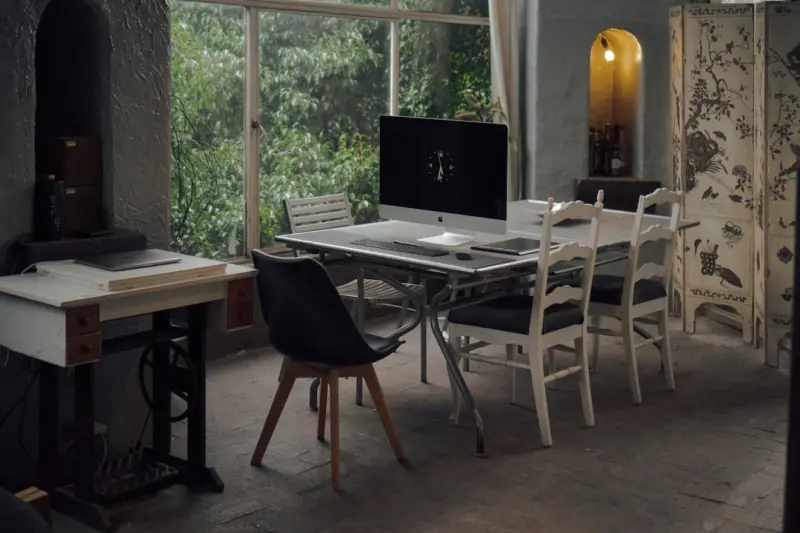
Upcycled‑Furniture Home Office: Turning Second‑Hand Finds Into a Productivity Hub
Discover a step‑by‑step plan to create a high‑performing home office using reclaimed furniture... Read More

Soundproof Sanctuaries: Simple Hacks to Quiet Your Home
Learn how to dramatically reduce unwanted noise with affordable DIY fixes—seal gaps, add mass, use... Read More
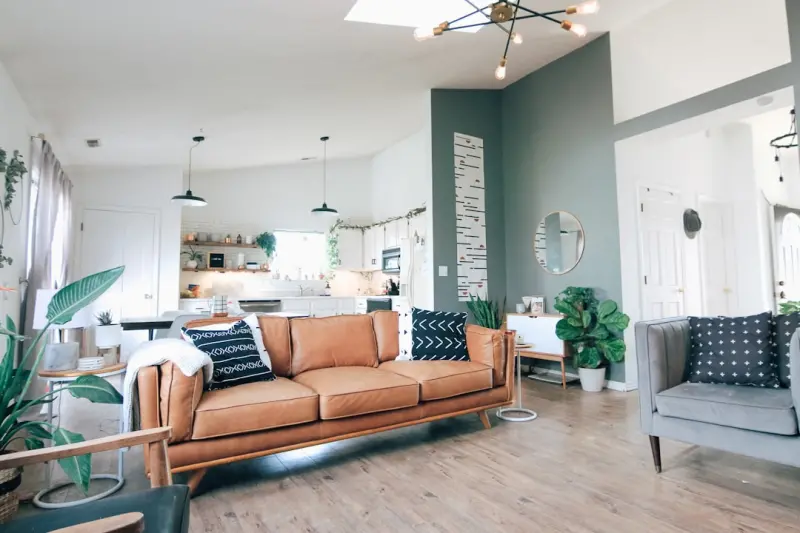
The Art of Invisible Storage: Hidden Solutions for Every Room
Brad Hays shares a comprehensive guide to invisible storage, offering room‑by‑room strategies, s... Read More
Top Posts

Cultivating a Sensory Garden: A DIY Guide to Scent, Sound, and Serenity
Discover how to craft a garden that delights the senses—fragrant herbs, soothing sounds, tactile textures, and night‑time glow—while staying eco‑friendl...Read More

Designing a Travel Rhythm: How Digital Nomads Blend Work, Exploration, and Community
A practical guide to blending professional responsibilities with wanderlust, focusing on structured flow, community hubs, tech tools, and sustainable habits for...Read More
Cultivating a Backyard Sensory Sanctuary for Mindful Living
Discover how to turn your backyard into a sensory sanctuary that engages touch, sound, and scent, offering a calming, budget‑friendly retreat for mindfulness ...Read More

When AI Becomes Your Customer Success Co‑Pilot
AI is shifting customer success from reactive support to proactive partnership. By using predictive health scores, real‑time dashboards, and AI‑generated ou...Read More
0 Comments
Post Comment
You will need to Login or Register to comment on this post!