
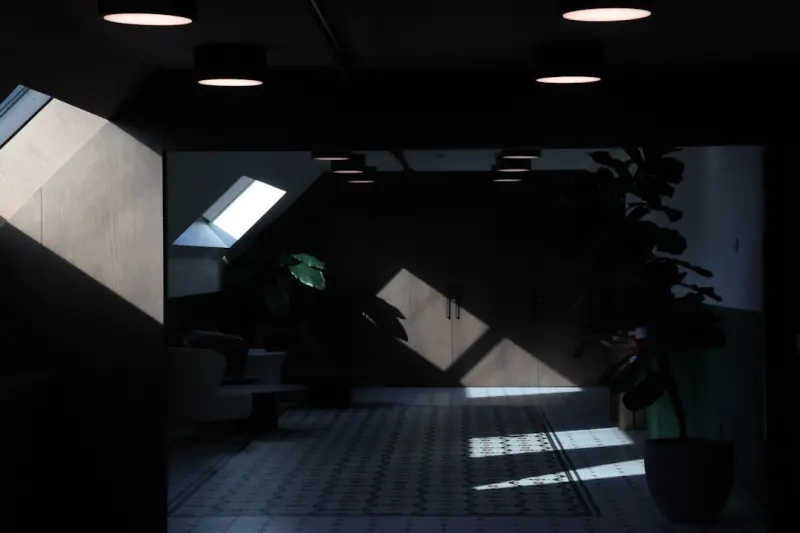
Sunlit Sanctuaries: Designing Light‑Rich Spaces Inside and Out
When I first stepped onto my own patio after a long winter, the way the morning sun painted the concrete with a warm, buttery glow felt like an invitation. That moment sparked a deeper curiosity: how can we deliberately invite that kind of daylight into every corner of our homes and gardens, turning ordinary rooms into uplifting retreats? In this piece I’ll walk you through practical, design‑driven strategies that blend architecture, horticulture, and a dash of technology to create spaces that feel larger, healthier, and endlessly inviting.
The Science Behind Sunlight and Well‑Being
Before we dive into the how, let’s explore the why. Natural light does more than just make a room look brighter. Studies have shown that exposure to daylight regulates circadian rhythms, boosts serotonin levels, and can even improve productivity by up to 15%. In the garden, sunlight drives photosynthesis, which directly influences plant vigor, fragrance, and the overall vitality of the ecosystem you nurture.
Understanding these benefits reframes daylight from a decorative flourish to a core element of health‑focused design. The goal, then, is to maximize quality light while mitigating glare, heat gain, and UV damage—an elegant balancing act that many homeowners overlook.
Mapping Light: Conduct a Simple Sun‑Path Audit
Every successful light‑rich design starts with a clear map of how the sun moves across your property throughout the year. Grab a notebook, a compass, and a simple sun‑path chart (many free templates are online). Note the following for each major façade and garden zone:
- Morning exposure: Which rooms welcome the sunrise? Which garden beds get gentle, low‑angle light?
- Mid‑day glare: Identify surfaces that become scorching hot or produce harsh shadows.
- Evening shadows: Pinpoint areas that stay in twilight longer, ideal for night‑time ambience.
With this data, you can prioritize interventions where they’ll have the biggest impact—whether that means adding a skylight over a dim hallway or repositioning a vegetable patch to catch more direct sun.
Architectural Interventions: Letting Light In
Below are six architectural tweaks that dramatically increase daylight without compromising privacy or energy efficiency.
- Skylights and Solar Tubes: Modern skylights feature low‑emissivity glass that filters UV while delivering up to 30% more natural light than a standard roof window. Solar tubes are perfect for narrow corridors where a full skylight would be overkill.
- Strategic Clerestory Windows: Placed high on walls, these windows pull in daylight deep into interior spaces while preserving wall space for artwork or shelving.
- French Doors with Light‑Filtering Shades: Opt for double‑glazed French doors that open onto patios; pair them with sheer, solar‑reflective shades to control glare.
- Reflective Interior Surfaces: Light-colored walls, glossy tiles, and mirrored accents bounce sunlight further into rooms. A simple coat of matte white paint can increase perceived brightness by up to 40%.
- Open‑Plan Layouts: Removing non‑load‑bearing walls allows light to travel uninterrupted, creating a fluid transition between kitchen, living, and dining areas.
- Light Shelves: Horizontal louvers installed above eye level redirect high‑angle sunlight toward the ceiling, spreading it evenly across the room.
Garden Design: Positioning Plants for Sunlight Success
In the outdoor realm, the same principles of light mapping apply, but with an added layer of plant biology. Here’s how to arrange your garden for optimal sunlight:
- Layered Planting: Position taller, sun‑loving shrubs or ornamental grasses at the back of beds, with lower‑light‑tolerant perennials in front. This creates a natural “light ramp” that maximizes exposure.
- Seasonal Rotation: Swap out annuals that thrive in full sun for shade‑tolerant varieties as the seasons shift. A rotating schedule keeps beds productive and visually appealing year‑round.
- Reflective Mulches: Light-colored mulch (e.g., crushed limestone) reflects sunlight back onto low‑lying foliage, enhancing growth without extra water.
- Strategic Pathways: Use light‑permeable paving—such as permeable pavers with embedded glass shards—to allow dappled sunlight to filter through foot traffic zones.
For a deeper dive into marrying edible plants with aesthetic design, check out our guide on Edible Landscape Design. The concepts overlap nicely, but this article focuses specifically on light management rather than food production.
Integrating Smart Light Controls
Technology can act as a silent partner in your quest for sunlight. Smart shading systems, motorized blinds, and automated skylight vents respond to real‑time light sensors, ensuring you capture the right amount of sun at the right time.
Imagine a living room that automatically lowers its blinds when the sun becomes too intense, preserving interior furnishings while still letting in a soft, diffused glow. Or a greenhouse roof that opens just enough to maintain ideal temperature without sacrificing humidity—a perfect illustration of energy‑smart design.
Material Choices That Amplify Light
Materials speak louder than paint when it comes to light. Here’s a quick cheat sheet:
- Glass Blocks: Offer privacy while still allowing daylight to filter through, ideal for bathroom walls or stairwells.
- Translucent Concrete: A modern marvel that embeds fiber optics within concrete panels, creating a soft glow that mimics natural light.
- Light‑Wood Finishes: Light oak, maple, or bamboo floors reflect more light than dark hardwoods, making spaces feel larger.
- Metallic Accents: Brushed copper or stainless steel fixtures catch and scatter light, adding a subtle sparkle.
Creating Outdoor “Living Rooms” Bathed in Sun
Take your indoor living room concept outside. A well‑planned patio can become a true extension of your home when daylight is harnessed correctly.
- Overhead Pergolas with Adjustable Louvers: These structures let you tilt the slats to filter harsh midday sun while still welcoming the gentle glow of morning and evening light.
- Floor‑Level Fire Pits with Reflective Surfaces: The reflective metal around a fire pit bounces the natural light during twilight, extending usability after sunset.
- Low‑Profile Solar Lanterns: Even after the sun sets, strategically placed solar lanterns can mimic daylight tones, reducing the need for harsh electric lighting.
Case Study: A Sun‑Optimized Urban Cottage
When a client in a dense city block approached me, they wanted a bright, airy home despite limited façade exposure. We implemented the following:
- Installed a pair of skylights in the kitchen and master bedroom, each equipped with automated blinds.
- Replaced a solid rear wall with a glass‑brick partition, creating a light‑filled pantry that also served as a visual focal point.
- Reoriented a rooftop garden toward the south‑west, using reflective mulch and low‑profile trellises to bounce sunlight into the interior via the new skylights.
- Added a motorized pergola on the balcony, which now acts as a sun‑controlled lounge area for morning coffee.
The result? A 25% increase in natural light levels measured with a lux meter, a noticeable lift in the occupants’ mood, and a 12% reduction in daytime electricity usage for lighting.
Balancing Light with Heat: Passive Cooling Techniques
More sunlight isn’t always better, especially in hot climates. Pairing daylight strategies with passive cooling ensures comfort year‑round.
- Cross‑Ventilation: Align windows and doors on opposite walls to create a natural airflow that carries away heat.
- Thermal Mass: Use concrete or stone floors that absorb heat during the day and release it slowly at night, smoothing temperature swings.
- Strategic Shade Trees: Plant deciduous trees on the west side of the house; they provide shade in summer while shedding leaves in winter to let in more sun.
From Trash to Treasure: Light‑Friendly Upcycled Elements
For those who love a sustainable touch, repurposing everyday items can enhance light quality while reducing waste. A From Trash to Treasure mindset invites you to see old glass bottles as miniature skylights for garden paths, or reclaimed wooden pallets as light‑diffusing screens for patio shade. These pieces not only add character but also manipulate light in creative ways.
Maintenance Tips to Preserve Your Light‑Rich Environment
All the design work in the world won’t matter if dirt and grime block your windows. Adopt a simple maintenance routine:
- Clean glazing quarterly with a vinegar‑water solution to prevent mineral buildup.
- Inspect and lubricate motorized blinds or pergola mechanisms twice a year.
- Prune garden foliage regularly to avoid overgrowth that shades lower‑lying plants.
- Reapply reflective sealants on mulch and stone surfaces every two years to maintain their light‑bouncing properties.
Final Thoughts: Light as a Design Partner
Sunlight is an abundant, free resource that, when respected and harnessed thoughtfully, can transform the mundane into the magical. By mapping your sun path, selecting the right architectural elements, embracing smart technology, and choosing light‑enhancing materials, you set the stage for a home and garden that breathe, uplift, and sustain. The next time you stand on your porch at sunrise, notice how the light dances across your space. That dance is the result of intentional design—one you can choreograph every day.

Robert Mathews is a professional content marketer and freelancer for many SEO agencies. In his spare time he likes to play video games, get outdoors and enjoy time with his family and friends .
Related Posts
Rewilding Your Living Space: A Guide to Natural Home Design
Discover how to transform any room into a thriving, nature‑infused sanctuary with sustainable mate... Read More

Low‑Maintenance Luxe: Designing a Native Garden That Thrives With Minimal Effort
Learn the secrets to a low‑maintenance luxury garden using native plants, smart irrigation, and up... Read More
Crafting a Cozy Indoor Green Oasis for Small Spaces
Discover how to turn limited square footage into a vibrant indoor sanctuary using low‑light plants... Read More
Top Posts

AI as Your Strategic Co‑Pilot: Redefining Decision‑Making in the Enterprise
Explore the next evolution of AI from a mere tool to a strategic co‑pilot that partners with leaders, turning data overload into actionable insight while pres...Read More

Mental Hygiene: Treat Your Mind Like a Clean House
Learn how to treat your mind like a clean house with the four pillars of mental hygiene—cognitive decluttering, emotional sanitization, social micro‑cleanin...Read More

The Art of a Personalized Self‑Care Sanctuary
Turn your bathroom into a soothing retreat with DIY skincare, aroma therapy, and intentional lighting—simple steps that turn everyday routines into revitalizi...Read More

From Tool to Teammate: Rethinking AI as a Partner in Decision‑Making
Treat AI as a collaborative partner rather than a simple tool. Learn practical steps to integrate AI into brainstorming, decision‑making, and personal growth ...Read More
0 Comments
Post Comment
You will need to Login or Register to comment on this post!