
Why an Edible Landscape Is the Next Big Thing for Your Home Garden
When I first stepped onto a neighbor’s front yard and saw vibrant kale leaves peeking out from between ornamental grasses, I thought I’d stumbled onto a secret garden. It wasn’t just a collection of pretty plants—it was a functional masterpiece that fed the family and delighted the eye. That moment sparked a personal mission: to prove that a garden can be both a work of art and a source of nourishment.
From Aesthetic to Appetite: The Core Philosophy
Traditional landscaping often draws a line between “pretty” and “practical.” Shrubs are chosen for their shape, flowers for their hue, and lawns for their uniform green carpet. Yet, the modern homeowner is craving more than visual appeal. We want spaces that serve a purpose, reduce grocery trips, and foster a deeper connection to the food we consume.
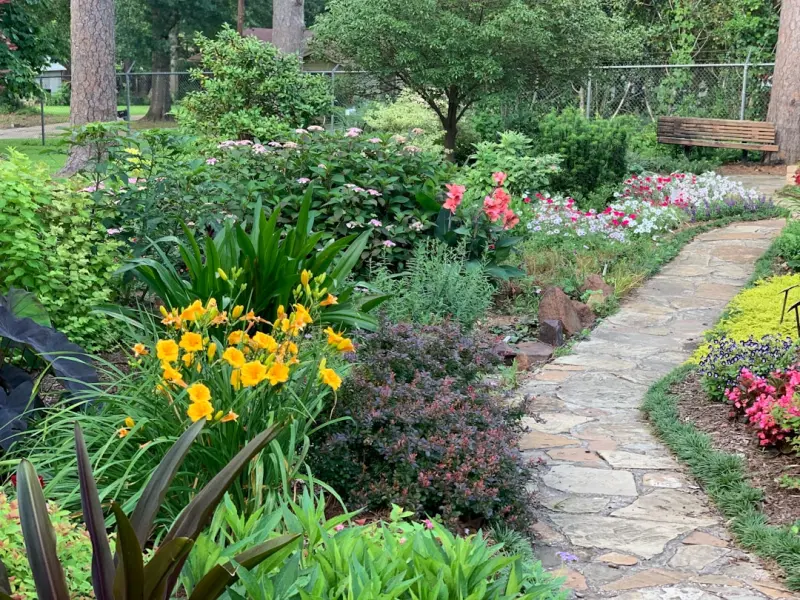
An edible landscape blends the ornamental with the edible, letting you grow food that looks as good as it tastes. Think of a low‑maintenance rosemary hedge that also acts as a fragrant privacy screen, or a bed of nasturtiums that adds a splash of orange while providing peppery greens for salads. The result is a garden that feels intentional, sustainable, and endlessly rewarding.
Planning Your Edible Landscape: A Step‑by‑Step Blueprint
Before you rush to the seed catalog, take a moment to assess your site. Successful edible landscaping starts with thoughtful planning:
- Sunlight Mapping: Walk your yard at different times of day and note where full sun, partial shade, and full shade fall. Most fruit‑bearing plants need at least six hours of direct sunlight, while leafy greens can thrive in dappled light.
- Soil Testing: Grab a simple soil test kit or send a sample to a local extension office. Understanding pH and nutrient levels guides you toward the right plant choices and amendment strategies.
- Water Access: Identify natural water flow patterns. Low‑lying spots may stay moist longer, ideal for moisture‑loving herbs, while raised beds can improve drainage for root vegetables.
- Design Flow: Sketch a rough layout, positioning taller, structural plants (like fruit trees or ornamental grasses) as backdrops, and intermixing lower‑growing edibles (such as lettuce, basil, or strawberries) in front for easy harvest.
Choosing the Right Plants: Beauty Meets Bite
Here’s a curated list of plant combos that marry aesthetics and flavor:
- Blueberries + Heathers: The deep indigo berries contrast beautifully with the soft purple blooms of heather, creating a woodland‑inspired corner.
- Tomatoes + Marigolds: Marigolds deter pests and add a bright pop of orange, while tomato vines provide structure and a summer harvest.
- Edible Flowers (Viola, Calendula) + Ornamental Ferns: The delicate petals brighten up shady nooks, and the ferns lend a lush, airy texture.
- Fruit Trees (Dwarf Apple) + Lavender: Lavender’s silvery foliage softens the tree’s silhouette, plus its scent repels certain insects.
- Herbs (Thyme, Sage) + Low‑Growing Succulents: The succulents create a sculptural base, while the herbs fill the space with aroma and flavor.
Design Tricks to Keep the Garden Low‑Maintenance
One common misconception is that an edible garden requires constant attention. By employing a few design tricks, you can keep the workload light:
- Layered Planting: Group plants with similar watering needs together. This reduces the need for spot‑watering and minimizes stress on individual species.
- Mulching Magic: A thick layer of organic mulch (wood chips, straw, or compost) conserves moisture, suppresses weeds, and slowly enriches the soil as it breaks down.
- Perennial Power: Incorporate perennial edibles—such as asparagus, rhubarb, or artichokes—that come back year after year, cutting down on replanting effort.
- Self‑watering Containers: For patios or tight spaces, use self‑watering pots that release moisture gradually, ensuring roots stay hydrated without daily watering.
Integrating Edible Landscape Into Existing Spaces
If you already have a conventional garden, you don’t need to start from scratch. Small, strategic swaps can transform the space:
- Replace a section of ornamental grass with a row of culinary herbs that can be snipped straight into meals.
- Swap out a boring shrub border for a low hedge of blueberry bushes, which provides both color and fruit.
- Introduce edible groundcovers—such as creeping thyme or sweet woodruff—to fill gaps between stepping stones, reducing weeds while offering flavor.
Seasonal Care: What to Expect Year‑Round
Every season presents its own set of opportunities and challenges. Here’s a quick calendar to keep you on track:
- Spring: Focus on soil amendment, planting cool‑season crops (lettuce, peas, radishes), and pruning fruit trees after dormancy.
- Summer: Mulch heavily, water deeply in the early morning, and harvest frequently to encourage continuous production.
- Fall: Plant root vegetables (carrots, beets), cover beds with straw to protect against frost, and begin planting garlic for next summer.
- Winter: Use cold frames or row covers for hardy greens, and plan next year’s planting scheme while your garden rests.
Tech‑Savvy Touches: Smart Solutions for the Modern Gardener
While the concept of an edible landscape is rooted in natural design, technology can make it easier. A smart irrigation system learns your garden’s water usage patterns and adjusts flow to match real‑time weather data, conserving up to 30% of water. Soil moisture sensors paired with a mobile app send alerts when plants need a drink, preventing over‑ or under‑watering.
Harvesting with Style: From Garden to Table
One of the most satisfying moments is pulling a ripe berry or snipping a fragrant basil leaf and knowing it’s ready for the kitchen. To keep the harvest experience as enjoyable as the planting:
- Use Sharp, Clean Tools: Pruning shears or a small garden knife ensure clean cuts, reducing plant stress.
- Harvest Early: Many fruits (like strawberries) taste sweeter when picked slightly before full ripeness and allowed to finish on the plant.
- Rotate Harvest Zones: Work in sections, allowing you to enjoy fresh produce throughout the growing season.
Case Study: Turning a Suburban Front Yard Into an Edible Showcase
Take the example of Maya, a busy professional who wanted to make her front yard a conversation starter. She started with a narrow strip along the curb, planting dwarf citrus trees, a low hedge of rosemary, and interspersed ornamental kale for its texture and color. Over two years, the space evolved into a vibrant tapestry of fruit, foliage, and flowers that attracted neighbors, pollinators, and even local journalists.
Maya’s secret? She treated the edible landscape as a living design project. Each season she introduced a new element—a winter rosemary wreath, a spring asparagus spear—keeping the garden dynamic and her family engaged.
Budget-Friendly Tips: Growing More, Spending Less
Edible landscaping doesn’t have to break the bank. Here are some cost‑saving ideas:
- Seed Swaps: Join a community garden or local Facebook group to trade seeds.
- Propagation: Many herbs and fruit plants can be propagated from cuttings, giving you new plants for free.
- Compost Your Kitchen Scraps: Turn vegetable peels, coffee grounds, and eggshells into nutrient‑rich compost, reducing the need for store‑bought fertilizer.
Bringing It All Together: The Emotional Payoff
Beyond the tangible benefits of fresh produce and reduced grocery bills, an edible landscape nurtures a sense of stewardship. Watching seedlings push through soil, feeling the sun‑warmed berries in your hand, and sharing harvests with friends creates a narrative of growth and community. It’s a daily reminder that you’re part of a larger ecosystem, and that the spaces you design can sustain both beauty and nourishment.
Ready to Start Your Edible Landscape?
Embarking on this journey is as simple as picking one corner of your garden and planting a few edible wonders. As the plants mature, you’ll discover new design possibilities, seasonal rhythms, and flavors you never imagined. The garden becomes a living canvas—one you can taste, smell, and touch.
So roll up your sleeves, grab a spade, and let your yard tell a story of abundance and elegance. Your future self (and your palate) will thank you.

Robert Mathews is a professional content marketer and freelancer for many SEO agencies. In his spare time he likes to play video games, get outdoors and enjoy time with his family and friends .
Related Posts
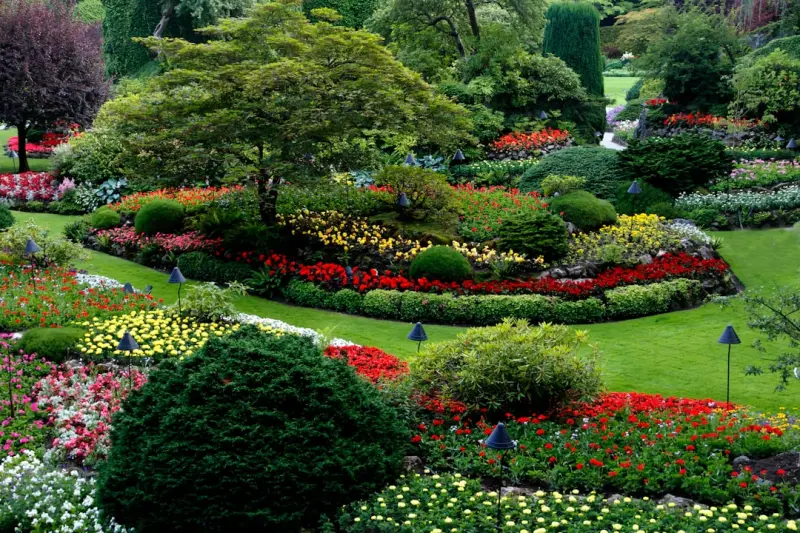
Edible Landscaping: How to Grow a Beautiful, Productive Garden That Feeds Your Table
A fresh look at turning your outdoor space into a thriving edible landscape that’s as stunning as ... Read More
The Garden Desk Revolution: How Outdoor Workspaces Are Changing Home Life
Explore the rise of garden desks, learn design tips, and see how outdoor workspaces blend productivi... Read More

Front Porch Revival: Turning Your Entryway into a Seasonal Oasis
Discover how to reinvent your front porch into a welcoming seasonal oasis, blending comfort, greener... Read More
Top Posts

Garden Desk Magic: Boosting Life, Work, and Wellness
Turn your backyard into a thriving workspace. Learn why garden desks boost productivity, mental health, and even career growth—all while adding beauty to your...Read More

The Quiet Frontier: How Sound‑Focused Travel Redefines Presence
Traveling isn’t just about sights; it’s about the sounds that shape our memories. Discover how intentional listening, curated soundscapes, and moments of si...Read More

Travel Light, Live Large: The Power of a Capsule Wardrobe on the Road
A minimalist capsule wardrobe isn’t just about packing less; it’s a strategic tool that enhances freedom, creativity, and cultural connection, allowing trav...Read More

How Jet Lag Can Supercharge Your Creativity and Decision‑Making
Jet lag isn’t just a hassle; it’s a brain‑reset that can spark fresh ideas. Learn how to use the temporary disorientation of crossing time zones to boost ...Read More
0 Comments
Post Comment
You will need to Login or Register to comment on this post!