
Why Upcycling Is the New Green Thumb for Modern Homes
When I first moved into my suburban fixer‑upper, the garden felt like a blank canvas—except the canvas was littered with broken pallets, mismatched planters, and a collection of discarded kitchenware that no one seemed to know what to do with. Instead of buying expensive garden décor, I started looking at these “waste” items as raw material. The result? A backyard that feels curated, personal, and undeniably sustainable. Upcycling isn’t just a buzzword; it’s a practical, creative strategy that lets homeowners transform the ordinary into the extraordinary while reducing landfill impact.
The Core Philosophy Behind Upcycled Garden Design
Upcycling in the garden follows three simple principles:
- Function First: Every piece should serve a purpose—whether it’s holding soil, providing shade, or guiding foot traffic.
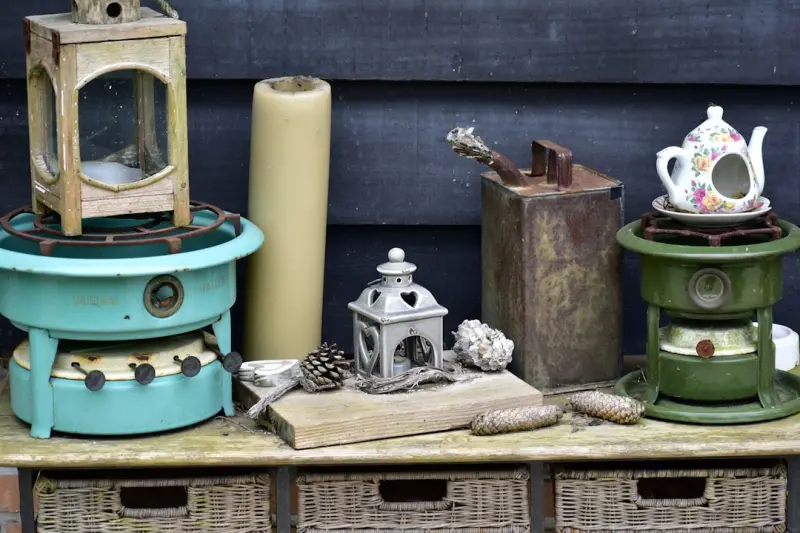
- Storytelling: Each repurposed object carries a history. When you turn an old teapot into a plant pot, you’re adding a narrative layer to your landscape.
- Eco‑Conscious Aesthetics: The visual appeal stems from the juxtaposition of natural elements and reclaimed materials, creating a look that feels intentional rather than “made‑do‑it‑yourself.”
Start Small: The Everyday Items That Make Instant Impact
Before you dive into a full‑scale renovation, experiment with a few easy projects. Here are some of my go‑to items and the ways I’ve repurposed them:
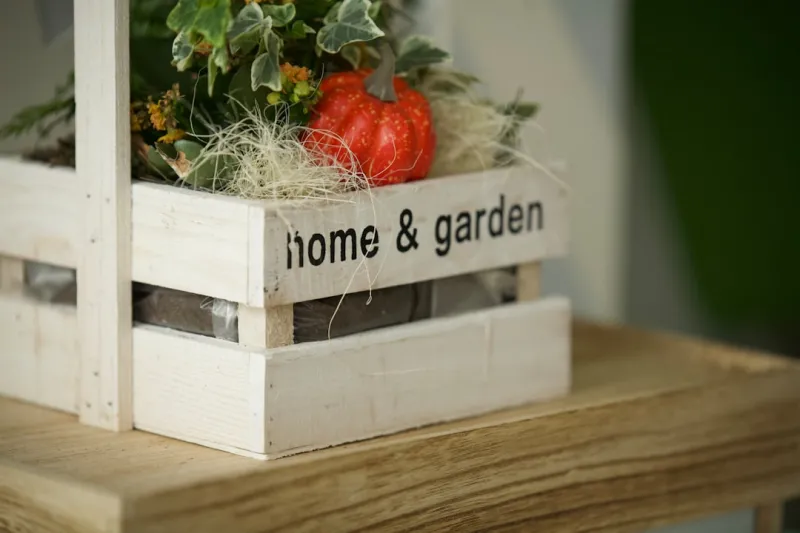
- Wooden Crates: Stack them to form a tiered herb garden, line the interior with landscape fabric, and fill with potting soil. The crates double as storage for garden tools.
- Old Bicycle Wheels: Mount them vertically and drape climbing vines—think morning glories or sweet peas—to create a kinetic, living sculpture.
- Tin Cans: Clean them, paint the lids, and use as miniature planters for succulents or as decorative edging for a rock garden.
- Glass Bottles: Cut them in half (with proper safety gear) and line the bottoms with pebbles to make tiny terrariums that catch sunlight.
- Worn-out Ladders: Lean a wooden ladder against a fence and drape fairy lights or hanging planters for a rustic, vertical garden.
Case Study: Turning a Neglected Porch Into a Multifunctional Retreat
My own porch was once a storage area for garden tools, covered in cobwebs and rust. By applying upcycling principles, I transformed it into a year‑round oasis:
- Flooring Upgrade: I rescued reclaimed pine boards from a demolition site, sanded them down, and laid them as a warm, natural floor. The boards were treated with a low‑VOC sealant for durability.
- Seating Solution: Two old wooden pallets were stacked, sanded, and fitted with outdoor cushions. The result is a sturdy bench that can be reconfigured into a coffee table.
- Green Divider: A series of mismatched wooden shutters—originally from a 1970s home renovation—were painted in muted greens and installed vertically to create a privacy screen while allowing airflow.
- Lighting Ambience: I repurposed vintage mason jars as lanterns, inserting solar LED lights for a sustainable glow after sunset.
- Functional Art: A broken garden hose was cleaned, painted teal, and mounted horizontally to serve as a decorative “shelf” for potted herbs and small garden books.
These simple interventions not only beautified the space but also increased its utility—now it serves as a morning coffee nook, a reading corner, and a place to host small gatherings.
Materials That Shine in an Upcycled Garden
Not every discarded object is suitable for outdoor use. Here’s a quick guide to the most resilient materials for garden upcycling:
- Hardwoods (e.g., teak, cedar): Naturally resistant to rot and insects. Ideal for planters, benches, and pergola beams.
- Metal (steel, wrought iron): Strong and durable when properly treated. Great for frames, trellises, and decorative sculptures.
- Glass: Recycled bottles and jars can become stunning terrariums or watering globes if sealed correctly.
- Ceramic and Terracotta: If free of cracks, they make excellent pots and water features.
- Plastic (high‑density): When UV‑stabilized, it can serve as lightweight planters or edging that won’t degrade quickly.
Step‑by‑Step Guide: Building an Upcycled Water Feature
Water features add tranquility, attract pollinators, and can even improve micro‑climates. Here’s a straightforward project using a discarded bathtub:
- Find the Basin: Look for an old claw‑foot tub at a salvage yard or online marketplace. Ensure it’s structurally sound.
- Seal the Interior: Apply a pond‑liner sealant to prevent leaks. Allow it to cure per manufacturer instructions.
- Install a Submersible Pump: Choose a pump rated for the tub’s volume; place it at the deepest point.
- Create a Cascading Effect: Position a series of reclaimed stone steps (from a broken patio) inside the tub, allowing water to flow from the top to the pump.
- Finishing Touches: Add water‑loving plants like irises, water lettuce, and dwarf papyrus around the edges. Use solar‑powered LED lights for evening ambience.
Not only does this feature become a focal point, but it also recycles a large, often‑thrown‑away item into a living centerpiece.
Integrating Upcycled Elements With Existing Garden Styles
Whether your garden leans modern, cottage, or minimalist, upcycled pieces can blend seamlessly:
- Modern Minimalist: Choose sleek metal frames, monochrome concrete planters made from repurposed molds, and glass bottles with clean lines.
- Cottage Charm: Embrace weathered wood crates, vintage tin watering cans, and pastel‑painted pallets for raised beds.
- Eclectic Boho: Mix bold colors, patterned fabrics on reclaimed benches, and repurposed textile scraps as hanging planters.
By matching the finish and color palette of your upcycled items to the existing style, you achieve cohesion rather than a “patchwork” feel.
Seasonal Upcycling: Adapting Your Garden Through the Year
One of the greatest advantages of upcycling is its flexibility. As seasons change, you can easily swap out or modify pieces:
- Spring: Turn old wooden ladders into vertical seedling displays.
- Summer: Convert a refurbished patio umbrella frame into a shade canopy for a potting bench.
- Fall: Use reclaimed barrels as compost bins, adding a rustic aesthetic while managing organic waste.
- Winter: Hang wind chimes made from repurposed metal cutlery to add auditory charm when the garden is dormant.
Budgeting for Upcycling: How to Keep Costs Low
Upcycling doesn’t require a hefty budget, but a little planning helps maximize savings:
- Scavenge Locally: Check curbside giveaways, community swap meets, and online “Freecycle” groups for items.
- DIY Repairs: A quick sand‑and‑seal job can revive a weathered bench for a fraction of the cost of a new one.
- Bulk Materials: Purchase reclaimed lumber or pallets in bulk from local warehouses; many offer discounts for large orders.
- Tool Sharing: Join a neighborhood tool library to avoid purchasing expensive equipment like power drills or saws.
Safety First: Preparing Reclaimed Materials for Outdoor Use
Before you bring any salvaged item into your garden, follow these safety steps:
- Inspect for sharp edges or splinters; sand down any rough spots.
- Check for chemical residues—paint chips, oil stains, or pesticide buildup. Clean thoroughly with a mild soap solution.
- Apply appropriate sealants or paints that are rated for outdoor exposure.
- Secure heavy items with sturdy anchors or concrete footings to prevent tipping in wind.
Community Inspiration: When Upcycling Becomes a Neighborhood Movement
After sharing photos of my porch makeover on social media, several neighbors reached out. We organized a “Swap‑and‑Create” weekend where everyone brought unwanted garden items and collaborated on new projects. The event produced:
- A communal herb wall built from old wooden pallets.
- Recycled glass bottle lights strung along the sidewalk.
- A shared compost station using a repurposed metal drum.
Such community-driven upcycling not only beautifies the area but also builds relationships—a subtle nod to the power of collective creativity.
Linking Upcycled Design With Broader Sustainability Goals
Beyond aesthetics, upcycling aligns with larger environmental objectives:
- Waste Reduction: Diverts materials from landfills, extending product lifespans.
- Carbon Footprint: Reduces the need for new manufacturing, saving the energy that would be consumed in production and transport.
- Resource Conservation: Encourages responsible consumption and promotes a circular economy.
When homeowners adopt upcycling as a regular practice, the cumulative impact across neighborhoods can be profound.
Further Reading: Expanding Your Garden Horizons
If you’re interested in exploring more ways to maximize small spaces, check out the balcony bounty guide. For ideas on creating welcoming thresholds that set the tone for your entire home, see creating a calm, functional entryway.
Final Thoughts: Your Garden, Your Story
Every piece you rescue carries a narrative, and when you weave those stories together in your garden, you create a space that’s uniquely yours. Upcycling isn’t just about saving money—it’s about fostering a deeper connection with the objects around you and the environment you inhabit. So next time you spot a broken chair, a dented metal bucket, or a stack of old pallets, pause. Imagine the role it could play in your garden’s next chapter. The possibilities are as boundless as your imagination.

David Moore is a freelance writer specializing in two dynamic and ever-evolving fields: gambling and the tech industry. With a keen eye for detail and a knack for unraveling complex topics, David delivers insightful and engaging content that keeps readers informed and entertained.
Related Posts
Garden Desk Magic: Boosting Life, Work, and Wellness
Turn your backyard into a thriving workspace. Learn why garden desks boost productivity, mental heal... Read More
From Backyard to Boardroom: My Garden Desk Journey
Explore the rise of garden desks, their mental‑health benefits, design tips, and why they’re res... Read More
Scented Garden Pathways: A Fragrant Walk Through Your Backyard
Discover how to design a scented garden pathway that delights the senses, attracts pollinators, and ... Read More
Top Posts
Why My Garden Desk Became the Heartbeat of Home Living
A garden desk turned my backyard into a vibrant hub, merging work, family, and nature. Learn the benefits, design tips, and how to start your own outdoor sanctu...Read More

Travel Sprints: Turning Mini‑Escapes into High‑Impact Growth Sessions
Learn how to treat short getaways as design sprints, using AI planning, minimalist packing, and micro‑travel habits to boost creativity, insight, and producti...Read More

Tiny Bursts, Big Gains: Harnessing Micro‑Movement for Everyday Health
Learn how adding brief, purposeful movements to daily routines can transform energy, focus, and well‑being—no equipment or extra time required....Read More

The Hidden Power of Internal Talent Marketplaces
Internal talent marketplaces transform static career ladders into fluid ecosystems, letting employees showcase real‑time skills, take on short‑term projects...Read More
0 Comments
Post Comment
You will need to Login or Register to comment on this post!